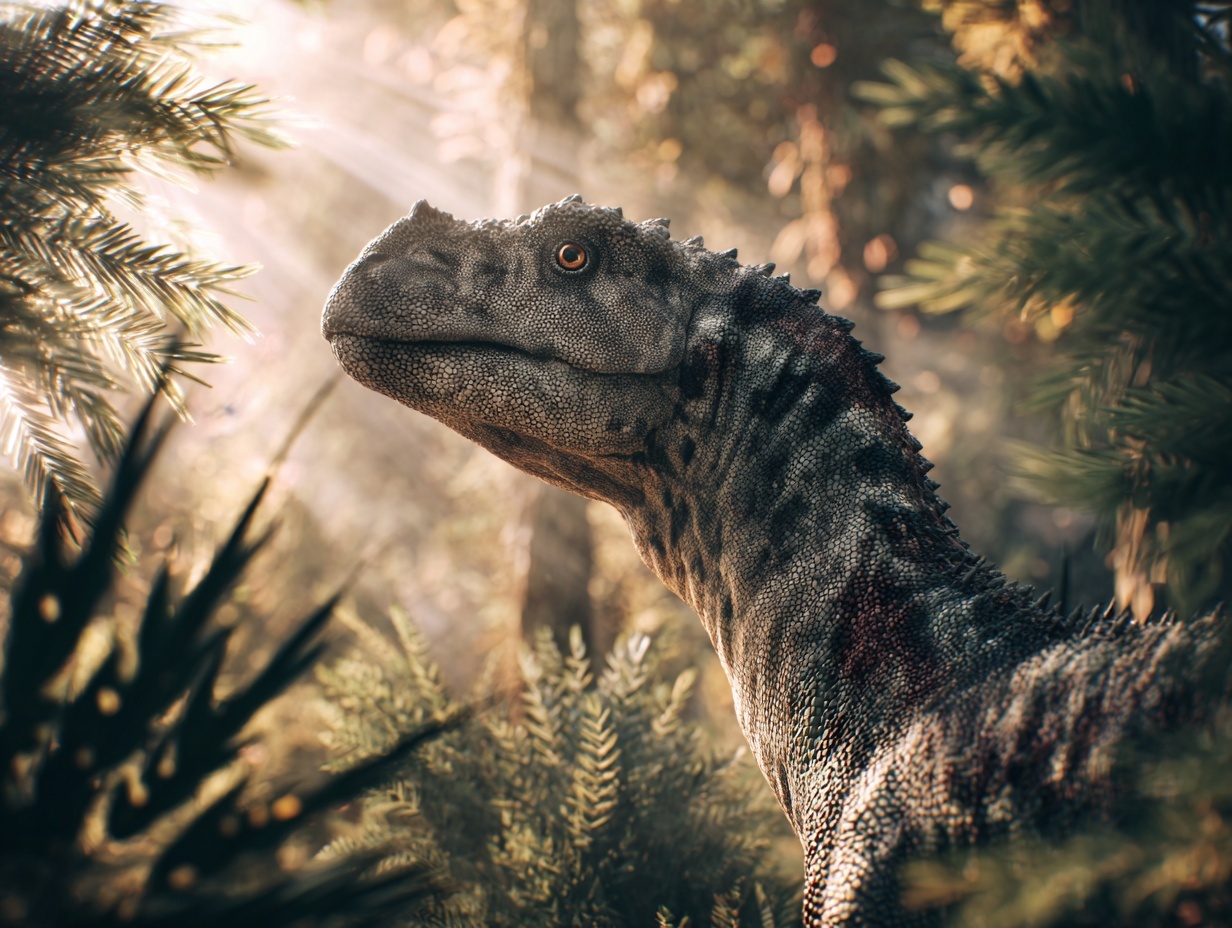
If you have ever typed “dinosaur names and pictures” into a search bar, you were probably not looking for a giant wall of scientific jargon. You wanted the fun stuff first: what the dinosaur looked like, what made it special, and which names are actually worth remembering.
This page is the big starter guide. Think of it like the first page in your dinosaur field notebook.
We are starting with the famous names, the weird names, and the dinosaurs that make people stop scrolling and say, “Wait, that one is real?”
Short version: each famous dinosaur below gets a one-line ID, so you can tell them apart fast. For a shorter starter set, see our kids’ guide to dinosaur names and pictures.
The big headliners
- Tyrannosaurus rex: the heavyweight celebrity. Huge bite, tiny arms, enormous reputation.
- Triceratops: three horns, giant frill, built like a prehistoric tank.
- Velociraptor: much smaller than the movie version, but still one of the coolest predators on the list.
- Spinosaurus: crocodile-faced, sail-backed, and one of the strangest giant meat-eaters ever found.
- Stegosaurus: famous plates, spiky tail, and one of the most recognizable silhouettes in dinosaur history.
The long-neck giants
- Brachiosaurus: tall enough to make trees feel nervous.
- Diplodocus: long, lean, and built like a living bridge.
- Apatosaurus: massive, muscular, and part of the old Brontosaurus naming drama.
- Brontosaurus: yes, that name is still part of the conversation, and people love it for a reason.
The armored and horned favorites
- Ankylosaurus: club tail, body armor, zero interest in being an easy meal.
- Pachycephalosaurus: dome head, strange skull, and endless debate about how it used that head.
- Styracosaurus: a horned dinosaur that looks like it walked out of concept art.
The dinosaurs that surprise people
- Therizinosaurus: giant claws, odd body, and one of the weirdest dinosaurs to ever exist.
- Deinonychus: one of the big reasons movie raptors became such a thing.
- Carnotaurus: horns, speed, and a face that looks permanently unimpressed.
- Parasaurolophus: famous crest, excellent profile, and one of the best “what is that?” dinosaurs.
Wait, are all these really dinosaurs?
Not always. Some prehistoric creatures people lump in with dinosaurs were actually flying reptiles or marine reptiles.
- Pteranodon and other “pterodactyls” were flying reptiles, not dinosaurs.
- Mosasaurus and Plesiosaurus were ocean reptiles, not dinosaurs.
They still rule. They just belong in a slightly different branch of the prehistoric chaos tree.
How to use this guide
Start with the names you already know. Then branch out into lookalikes, rivals, and weird cousins. The best dinosaur guides do not just dump names on you. They help you notice patterns: horns, claws, neck length, armor, beaks, crests, tails, and how different dinosaurs solved the problem of surviving in a dangerous world.
Dinosaur name cheat sheet
| Dinosaur | Group | One-line ID |
|---|---|---|
| Tyrannosaurus rex | Headliner | Huge bite, tiny arms |
| Triceratops | Horned | Three horns, giant frill |
| Velociraptor | Headliner | Small, feathered, fast |
| Spinosaurus | Headliner | Sail-backed, crocodile face |
| Stegosaurus | Headliner | Plates and a spiky tail |
| Brachiosaurus | Long-neck | Tall enough to worry trees |
| Diplodocus | Long-neck | Long, lean, living bridge |
| Ankylosaurus | Armored | Club tail, body armor |
| Therizinosaurus | Surprise | Giant claws, odd body |
| Parasaurolophus | Surprise | Famous crest, great profile |
Because once you know a few dinosaur names, you usually do not stop there.
Where to go next
Start with our Tyrannosaurus Rex facts and pictures guide, then dig through the Field Notes archive for more dinosaur species pages and prehistoric favorites.
Related Dino Facts
- Tyrannosaurus Rex Facts and Pictures for Kids and Dino Nerds
- Types of Dinosaurs (With the Famous Ones You Actually Search For)
- Types of Dinosaurs (Explained Like You’re on a Field Trip with Max, Jake & Sam)
- Maiasaura – The Dinosaur Known for Its Excellent Parenting Skills
- Homeward Pause – Recapping the Chaos and Plotting What’s Next
This piece is part of Field Notes, the hub that turns dinosaur questions into field trips.