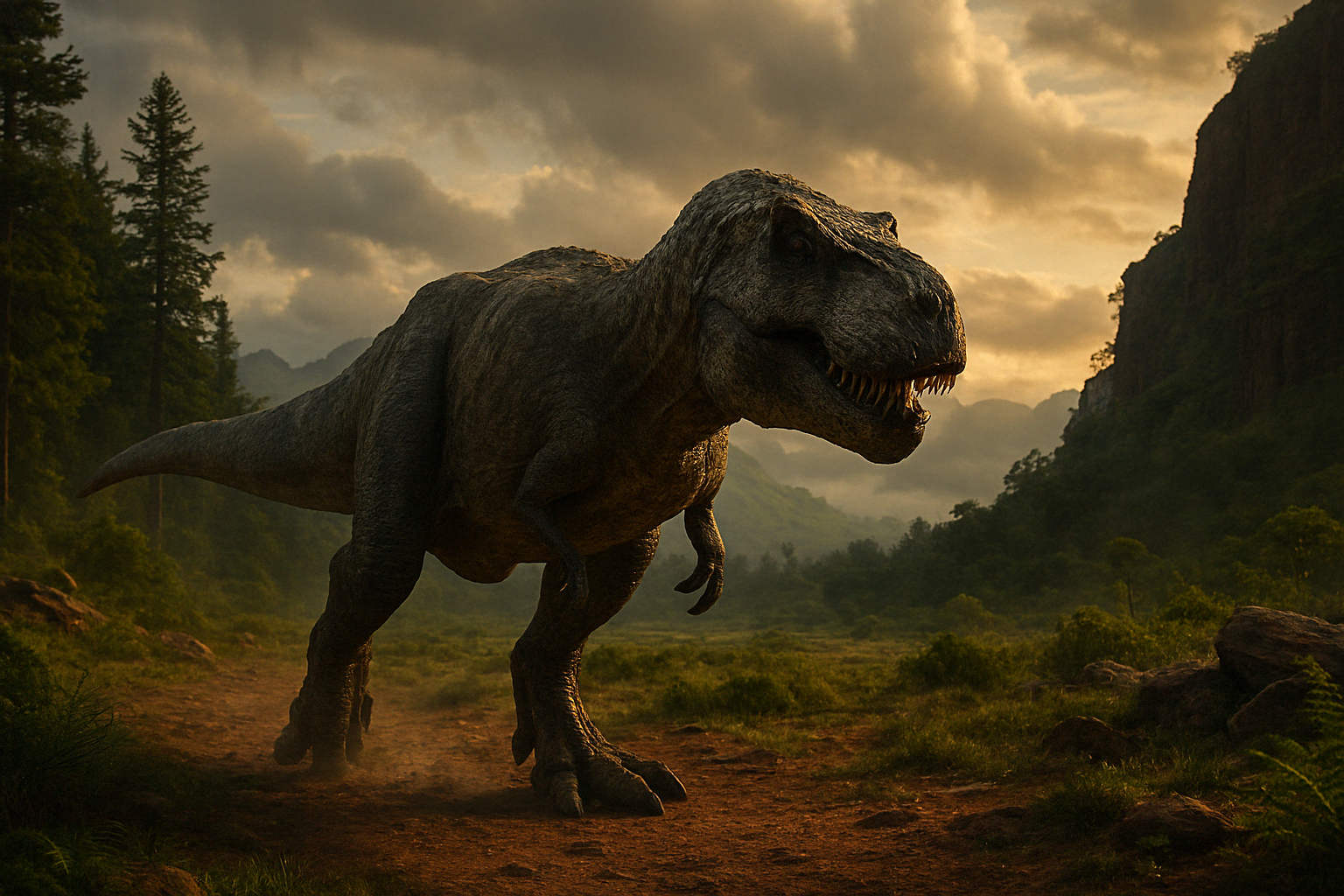
If one dinosaur still rules the internet, the toy aisle, and every kid’s imagination at the same time, it is Tyrannosaurus rex. T. rex is not just famous because it was huge. It is famous because it looked like the final boss of the Cretaceous.
Short version for the kid in a hurry: T. rex could grow to around 40 feet long, weigh several tons, and crush bone with its bite. Below you get the pictures, the size, and the tiny arms.
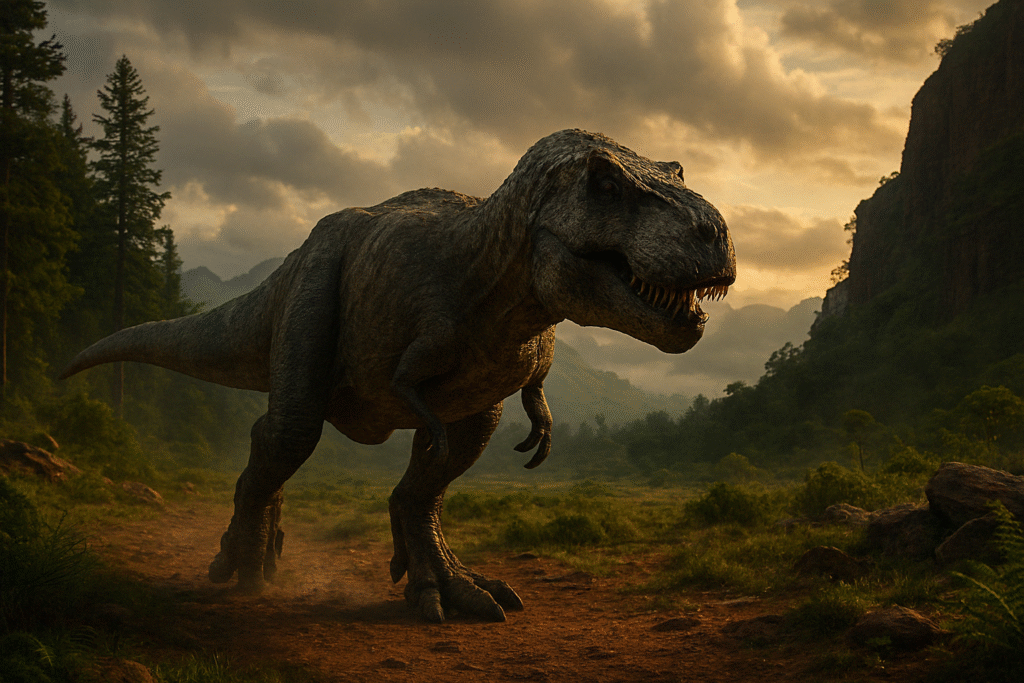
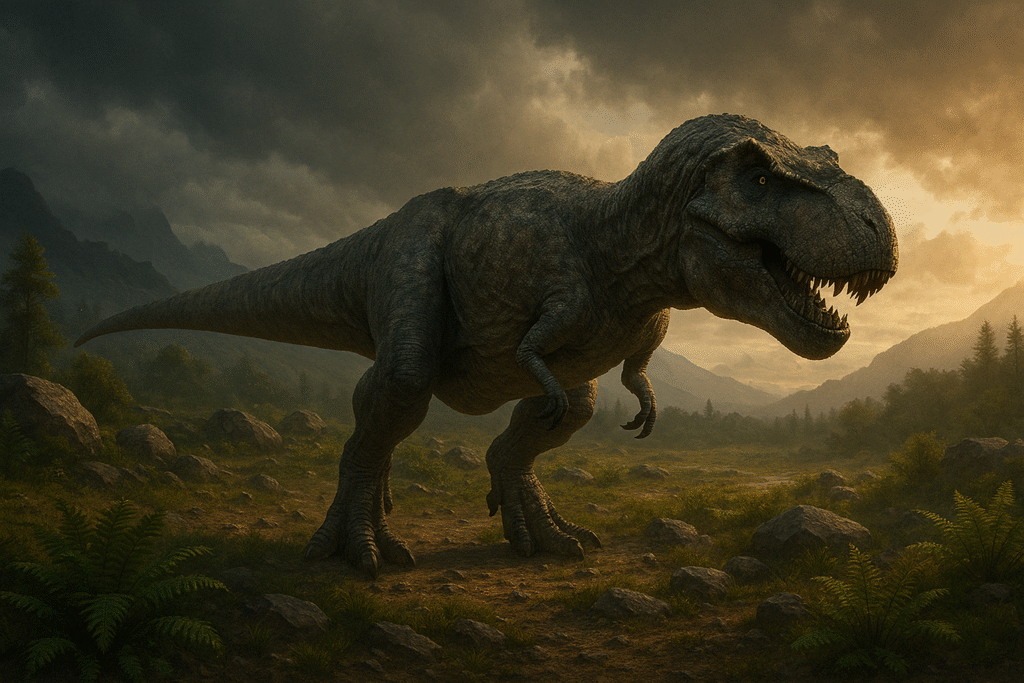
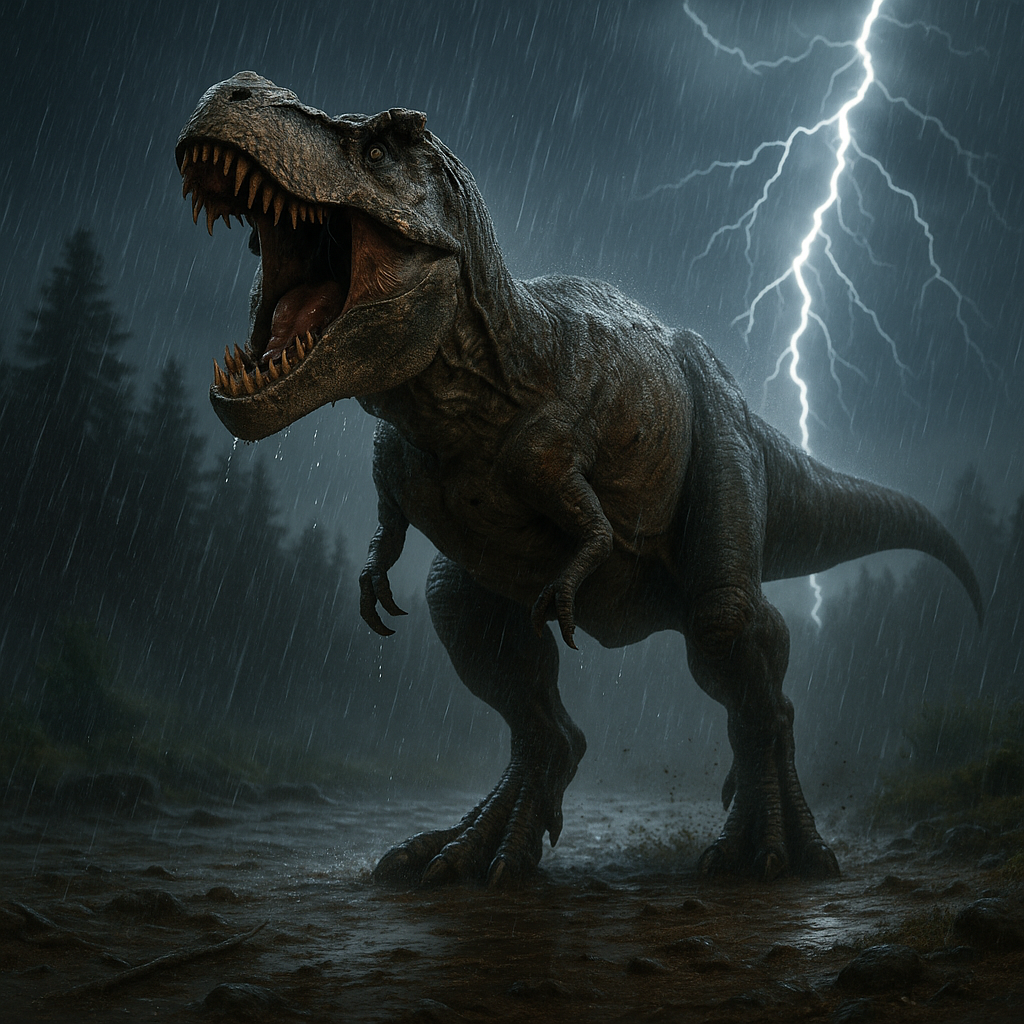
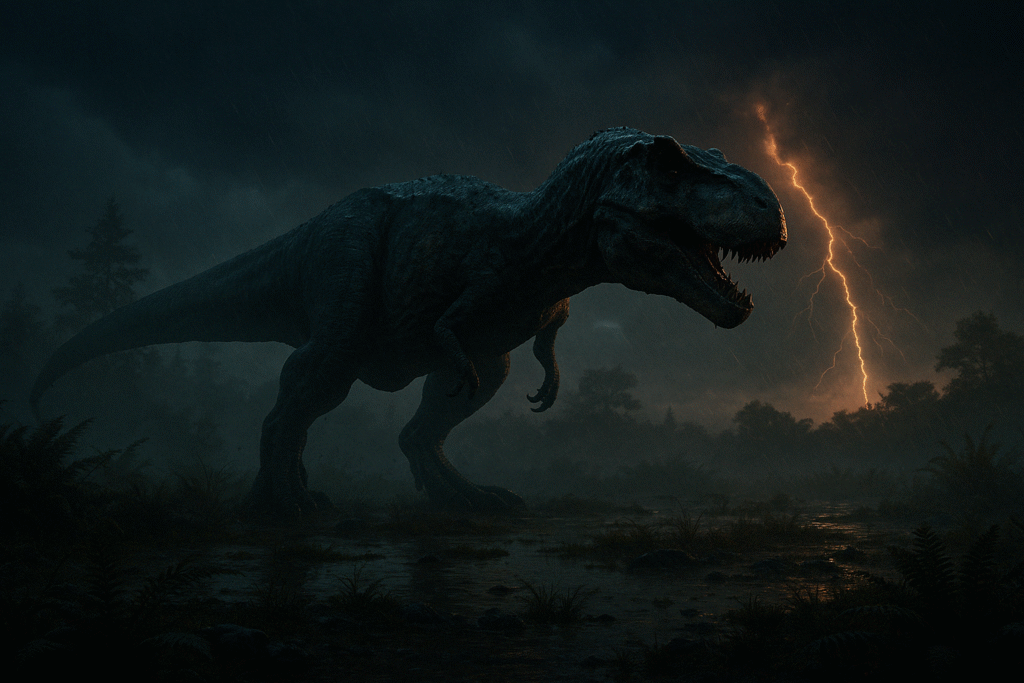
Big head. Bone-crushing bite. Legs built for power. Tiny arms that somehow made it even more memorable. Even people who cannot name five dinosaurs can usually name this one.
T. rex pictures: the gallery
These are the shots I keep coming back to. If you are here for T. rex pictures, this is the set to scroll.
How big was T. rex?
Tyrannosaurus rex could grow to around 40 feet long and weigh several tons. That means it was about as long as a big bus and heavy enough to make the ground feel like it had opinions.
Its skull alone was enormous, and that matters because the skull was basically attached to one of the strongest bites in dinosaur history.
T. rex size, in things you know
| Compared with | How T. rex measures up |
|---|---|
| A school bus | About as long as a big bus, nose to tail |
For the full lineup against the other giants, see the full dinosaur size comparison.
What made T. rex special?
- Its bite force was ridiculous. T. rex was built to crush bone, not just slice meat.
- Its senses were strong. Scientists think it had good vision and a powerful sense of smell.
- It was built for power, not elegance. Every part of it looks heavy-duty.
- It was one of the last great non-bird dinosaurs. T. rex lived near the end of the dinosaur age.
What about the tiny arms?
Yes, the arms were small. No, that does not mean T. rex was useless. The rest of the animal was doing a lot of the heavy lifting. Also, “small” is relative here. Those arms were still much bigger than a human’s. They just looked tiny next to an absurdly large head and body.
Did T. rex hunt or scavenge?
Probably both. This is one of those dinosaur debates where the best answer is not boring at all. A lot of modern animals do both when it makes sense.
A predator with an incredible bite and strong senses would not ignore an easy meal, but that does not mean it could not hunt.
Was T. rex covered in feathers?
That is still debated, but the simple version is this: some tyrannosaur relatives had feathers, and younger tyrannosaurs may have had more fuzzy covering than adults. A giant adult T. rex may have been patchier. Dinosaur science gets cooler when the answer is not just yes or no.
T. rex vs. Spinosaurus: who wins?
If you have ever argued about this at lunch, you are not alone. It depends on whether you mean bigger or deadlier, and the answer is not the same for both. See who wins in T. rex vs. Spinosaurus before you settle the bet.
Why people never get tired of T. rex
Some dinosaurs are weird. Some are elegant. Some are surprisingly gentle-looking. T. rex is something else. It is the perfect combination of size, drama, power, and instant recognition. The silhouette alone does half the work.
If you are building a dinosaur collection, this is one of the first names to know and one of the best pages to branch from into other predators, rivals, and giant prehistoric stars.
Keep exploring
Want the bigger map? Jump to Dinosaur Names and Pictures for the broader starter guide, then browse more creatures in the Field Notes collection.
Related Dino Facts
- Dinosaur Names and Pictures: A Big Starter Guide for Curious Kids and Dino Nerds
- Types of Dinosaurs (With the Famous Ones You Actually Search For)
- Types of Dinosaurs (Explained Like You’re on a Field Trip with Max, Jake & Sam)
- Maiasaura – The Dinosaur Known for Its Excellent Parenting Skills
- Homeward Pause – Recapping the Chaos and Plotting What’s Next
This piece is part of Field Notes, the hub that turns dinosaur questions into field trips.