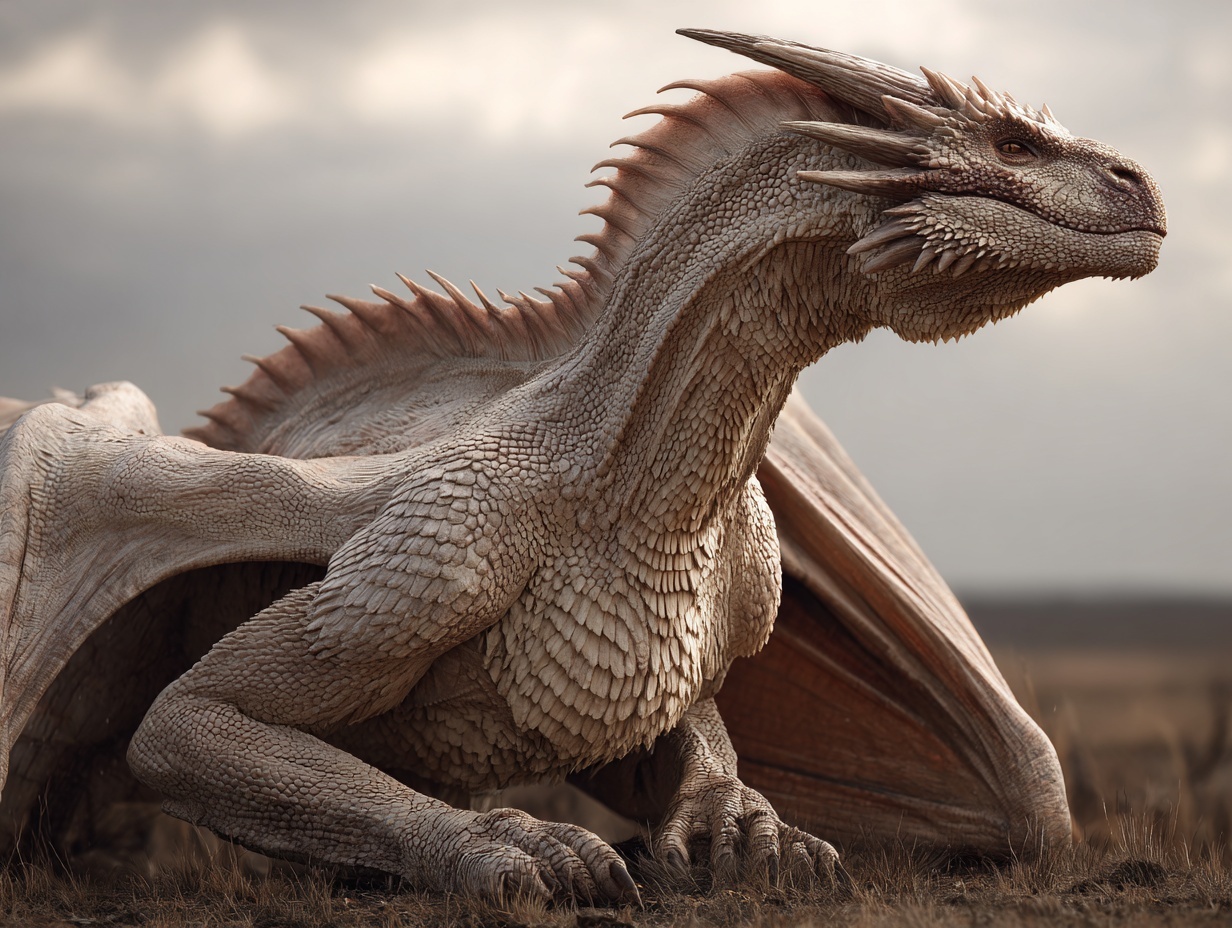
Short version: yes, many dinosaurs had feathers. Some had feathers on all four limbs, some had just a fuzzy coat, and T. rex is still a puzzle. Here is the quick answer, the list, and what the fossils actually show.
*(Or, “The Time Jake Tried to Glue Feathers on a T-Rex Toy”)
“Max,” Jake said, holding up his T-Rex action figure and a bag of craft feathers. “What if we made this guy scientifically accurate?”
Sam snorted. “You’re seriously going to bedazzle your T-Rex?”
“It’s not bedazzling,” Jake said indignantly. “It’s science.”
“Well, technically, he’s not wrong,” I said. “A lot of dinosaurs probably had feathers—but not all of them.”
Jake looked at me, glue gun in hand. “So, what? I leave half of him scaly and make the other half fluffy?”
Sam rolled her eyes. “Just let Max explain before you embarrass yourself.”
The Feathered Dinosaur Revolution
For a long time, dinosaurs were thought of as big, scaly lizards. But in the 1990s, paleontologists started discovering fossils of dinosaurs with feathers—yes, actual feathers preserved in the rock.
This changed everything. Suddenly, dinosaurs weren’t just giant reptiles—they were more like giant, prehistoric birds.
Which Dinosaurs Had Feathers?
Not all dinosaurs had feathers, but here are the main groups that did:
| Dinosaur | What the evidence shows |
|---|---|
| Velociraptor | Quill knobs on the forearm, evidence that it bore feathers. |
| Archaeopteryx | Long feathers, plus claws and teeth. |
| Microraptor | Feathers on all four limbs. |
| Tianyulong | Plant-eater with quill-like feathers along its back. |
| T. rex | Skin impressions show scales; whether it also had feathers remains uncertain. |
- Theropods
- Theropods include meat-eaters like Velociraptor and T-Rex, as well as species with other diets.
- Evidence: Velociraptor fossils have quill knobs, while some relatives preserve feather impressions.
- Small Herbivores
- Some plant-eaters, like Tianyulong, had filament-like structures; their function remains uncertain.
- Bird-like Dinosaurs
- Archaeopteryx was a feathered dinosaur with a mix of bird-like and other dinosaur features.
Why Did Dinosaurs Have Feathers?
- Warmth
- Feathers helped smaller dinosaurs stay warm, especially in colder climates.
- Display
- Brightly colored feathers might have been used to attract mates or intimidate rivals—kind of like modern peacocks.
- Flight
- Early feathers may have served roles such as insulation or display before some dinosaurs used feathers in flight.
What About T-Rex?
This is where things get tricky. Some relatives of T-Rex had feathers, while fossil skin impressions of T-Rex show scales. Whether young or adult T-Rexes also had feathers remains uncertain.
“So, Jake,” I said, pointing to his T-Rex toy, “maybe you just glue some feathers on its head and tail. That way, you’re covering your bases.”
Jake nodded, satisfied. “Scientific and stylish.”
Why Feathers Matter
“Okay,” Sam said, “but why is this such a big deal? I mean, dinosaurs are still cool, feathers or not.”
She’s right—but the discovery of feathered dinosaurs completely changed how we think about them. It connected dinosaurs to modern birds, reshaped their image from slow-moving lizards to agile, complex creatures, and made paleontology even more exciting.
Feathered Dino Stars
Here are a few of the coolest feathered dinosaurs:
- Velociraptor
- Velociraptor had quill knobs on its forearm, evidence that it bore feathers.
- Archaeopteryx
- Archaeopteryx had long feathers as well as claws and teeth. Scientists continue to study how it moved through the air and where it fits among early birds.
- Microraptor
- This small dinosaur had feathers on all four limbs; researchers study how it moved through the air.
- Tianyulong
- A plant-eater with quill-like feathers along its back.
Archaeopteryx is the famous one, and we look at whether it was the first bird. Therizinosaurus belongs to a feathered group of dinosaurs with a very different body plan.
Jake’s Take
“So dinosaurs are just prehistoric chickens?” Jake asked, examining his toy.
“Not exactly,” I said. “Birds are living dinosaurs, but not every ancient dinosaur was a direct ancestor of chickens.”
Jake grinned. “Does that mean I can call chicken nuggets ‘Velociraptor bites’?”
Sam groaned. “Why do I even bother?”
Field Notes From Max
- Coolest Fact: Feathers weren’t just for flying—they were useful for warmth and showing off.
- Biggest Surprise: Finding out Velociraptors were basically giant, angry turkeys.
- What’s Next: Someone needs to make a scientifically accurate dino movie with all the feathers. I’d watch that.
Dinosaurs with feathers might sound weird, but they’re just another reminder that prehistoric life was way cooler—and more complicated—than we ever imagined. 🦖🦢✨
Related Dino Facts
- Tyrannosaurus Rex Facts and Pictures for Kids and Dino Nerds
- Dinosaur Names and Pictures: A Big Starter Guide for Curious Kids and Dino Nerds
- Types of Dinosaurs (With the Famous Ones You Actually Search For)
- Maiasaura – The Dinosaur Known for Its Excellent Parenting Skills
- Homeward Pause – Recapping the Chaos and Plotting What’s Next