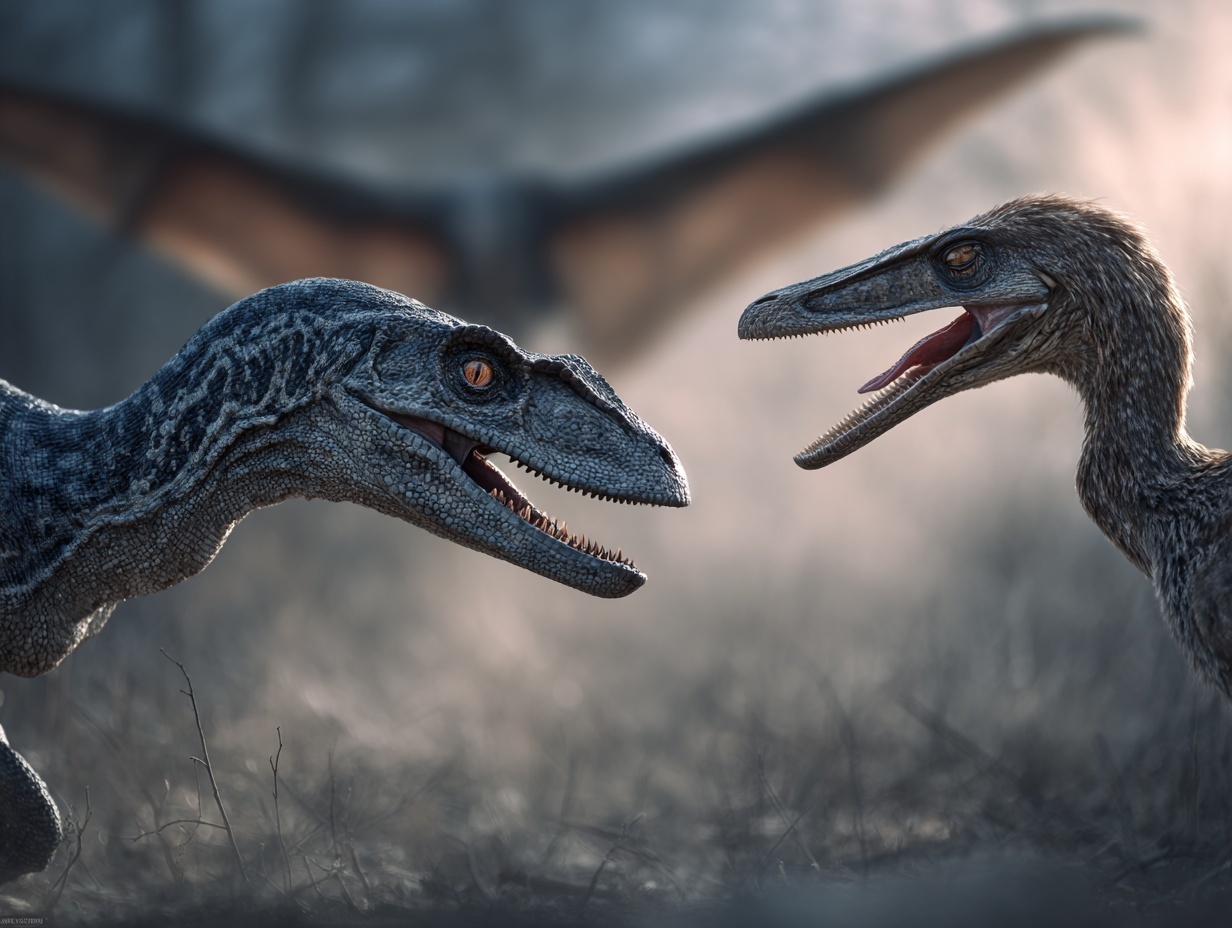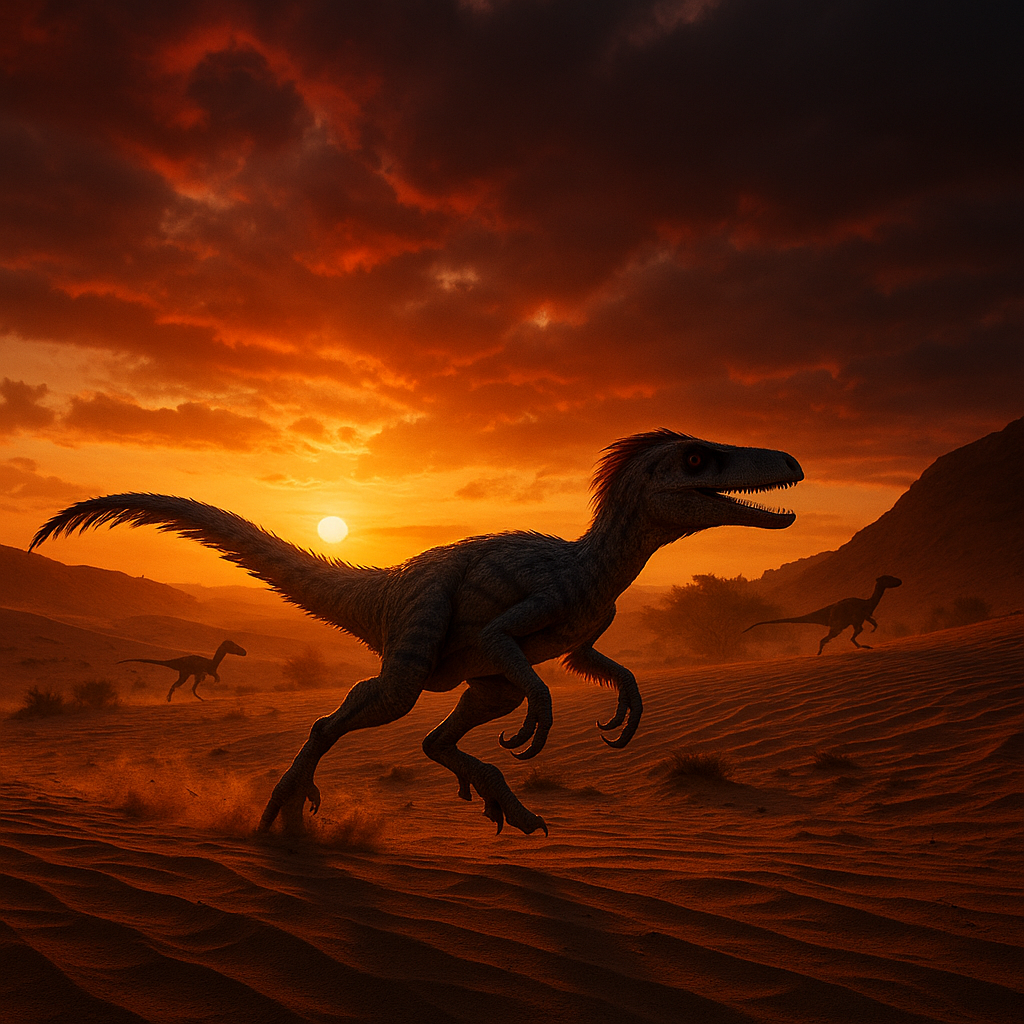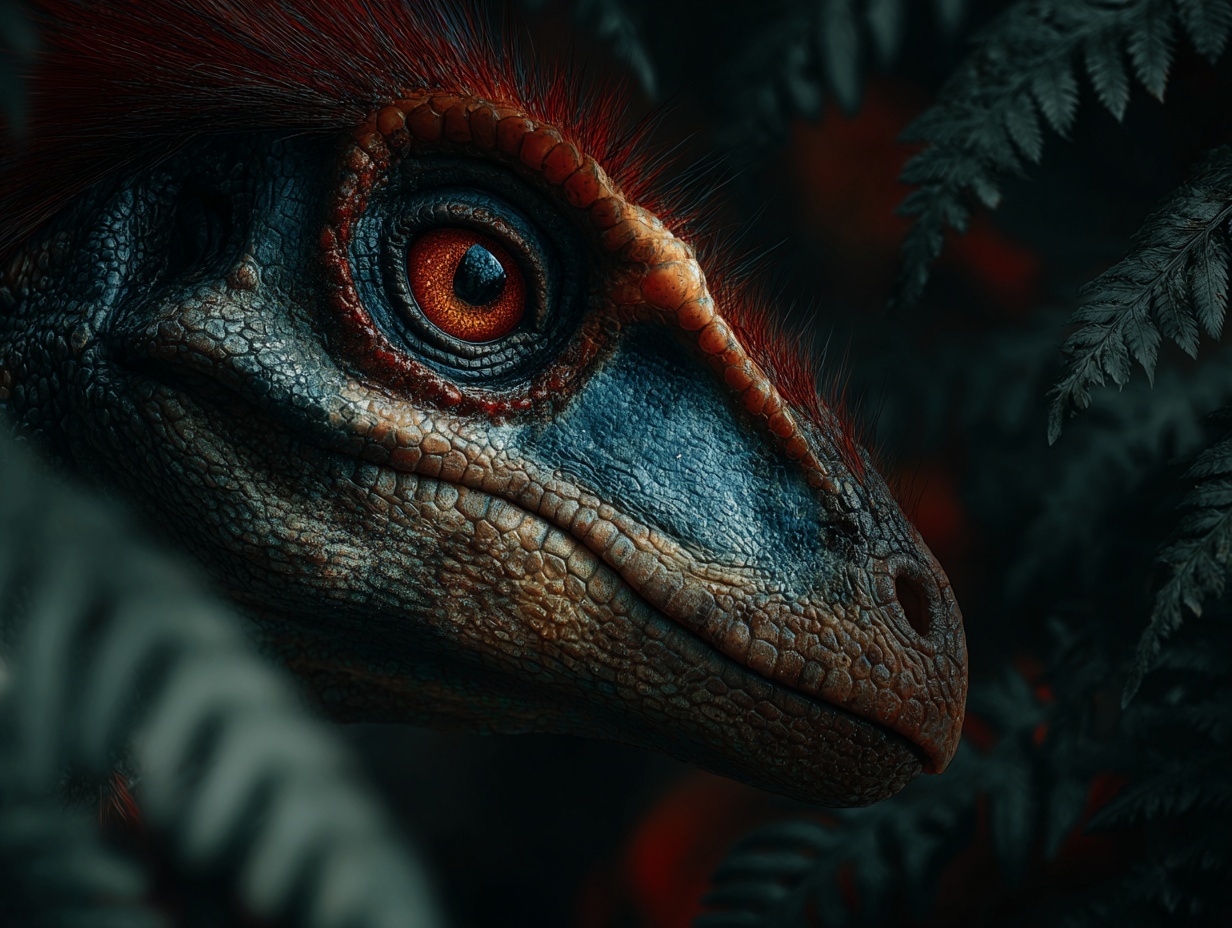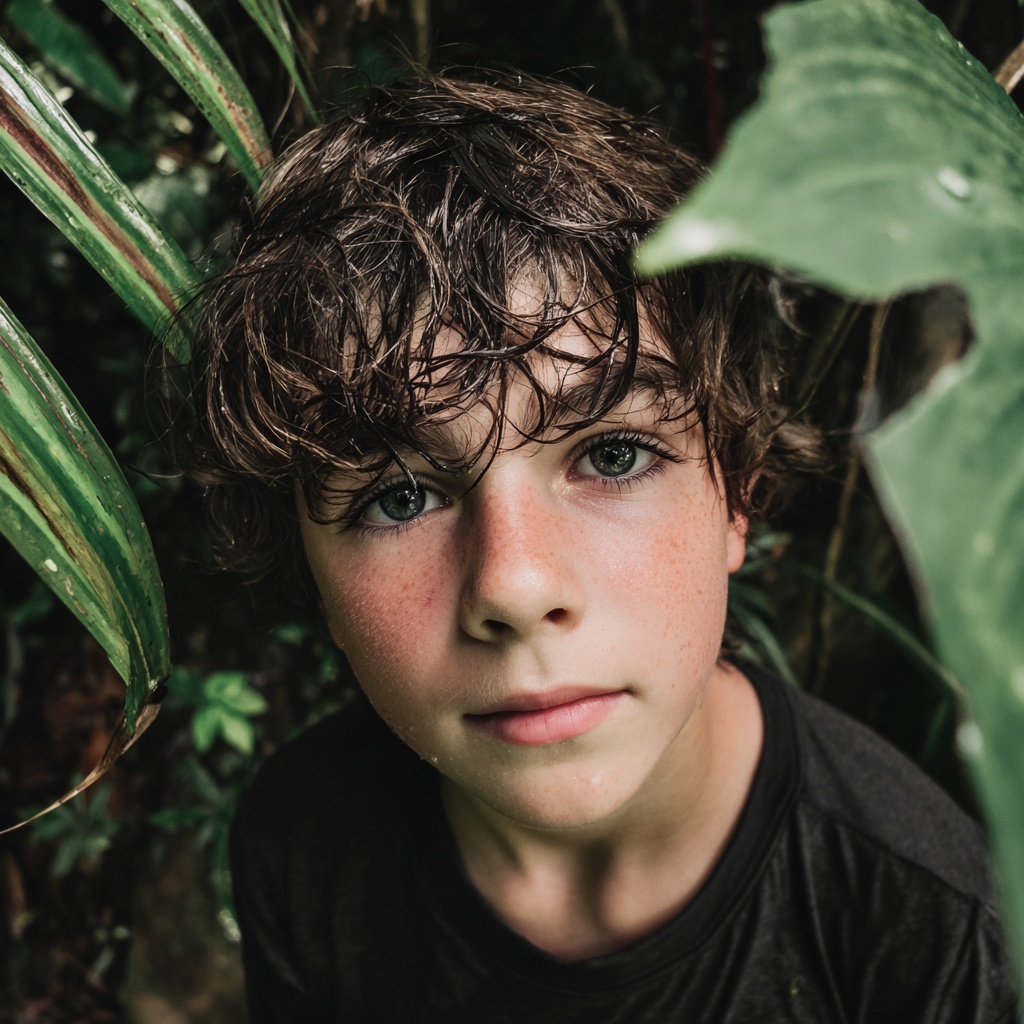
Day 16: Some dinosaurs are scary because they’re big, others because they’re fast, and then there’s Therizinosaurus. This bizarre herbivore has claws so long and sharp they look like they belong on a horror movie monster. It’s not a predator, but that doesn’t make it any less terrifying when you’re standing just a few feet away. Trust me, I learned that the hard way.
Quick Facts About Therizinosaurus
Here’s what makes this clawed giant so unique:
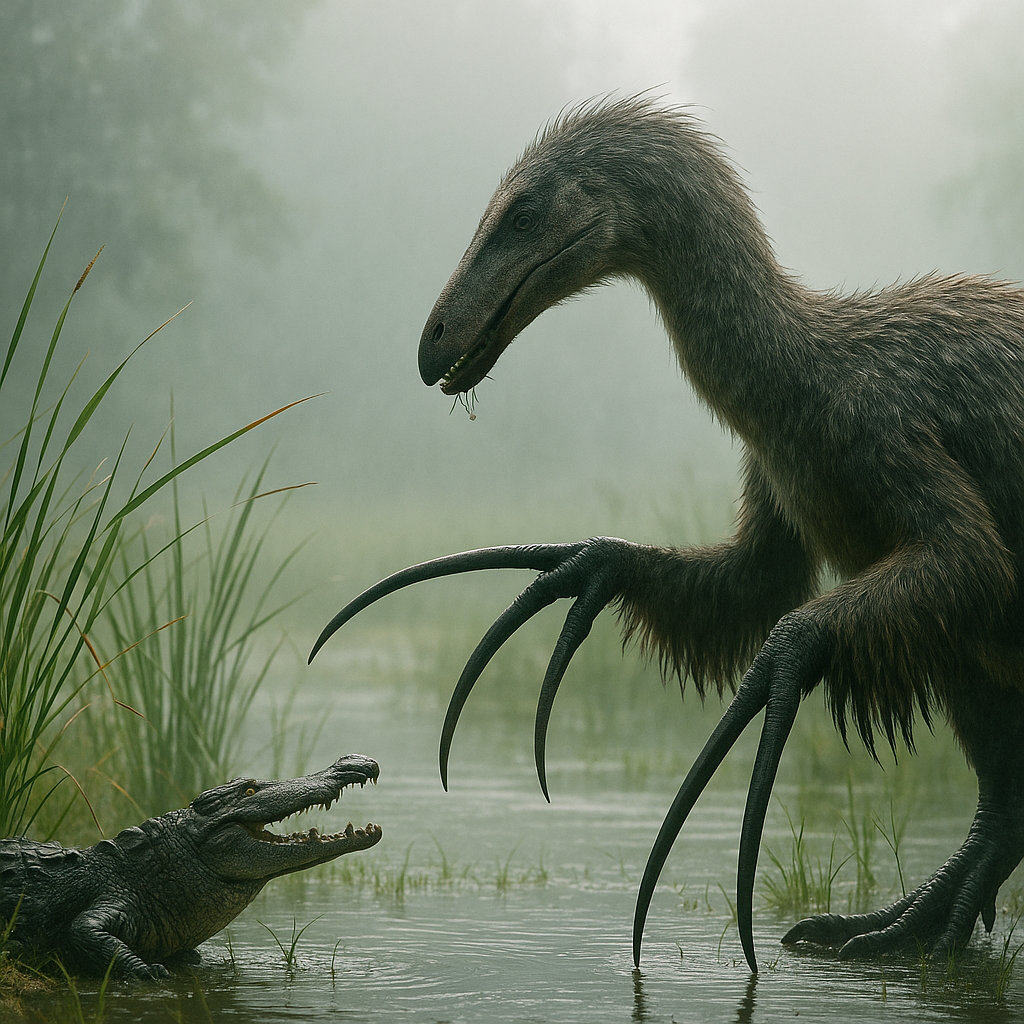
- Name Meaning: Therizinosaurus means “scythe lizard,” named for its massive, scythe-like claws.
- Time Period: Lived around 70 million years ago during the Late Cretaceous.
- Size: Up to 33 feet long and weighing about 5 tons.
- Diet: Herbivore, likely feeding on leaves, branches, and other vegetation.
- Habitat: Forested areas in what is now Mongolia and Central Asia.
Max’s Encounter: Claws of Chaos
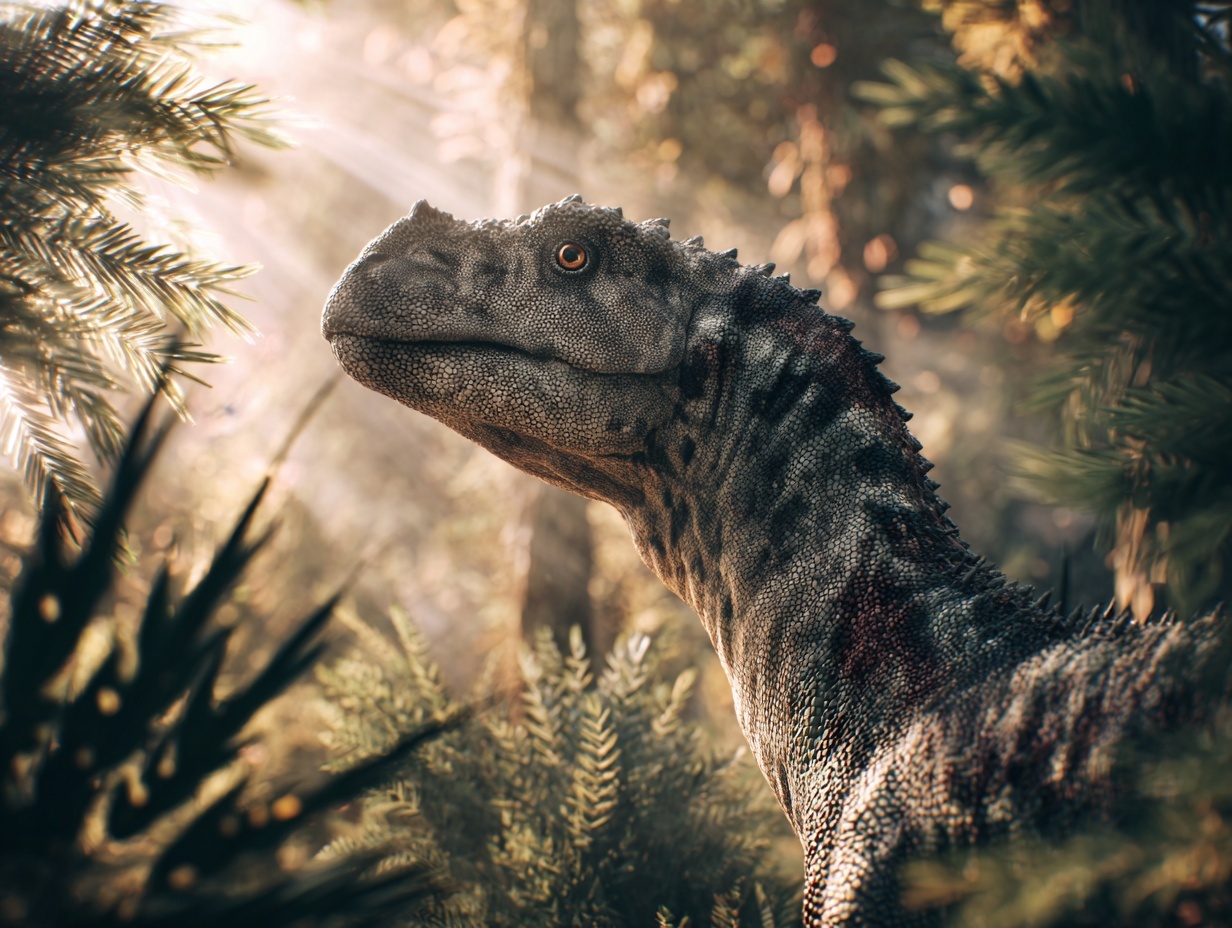
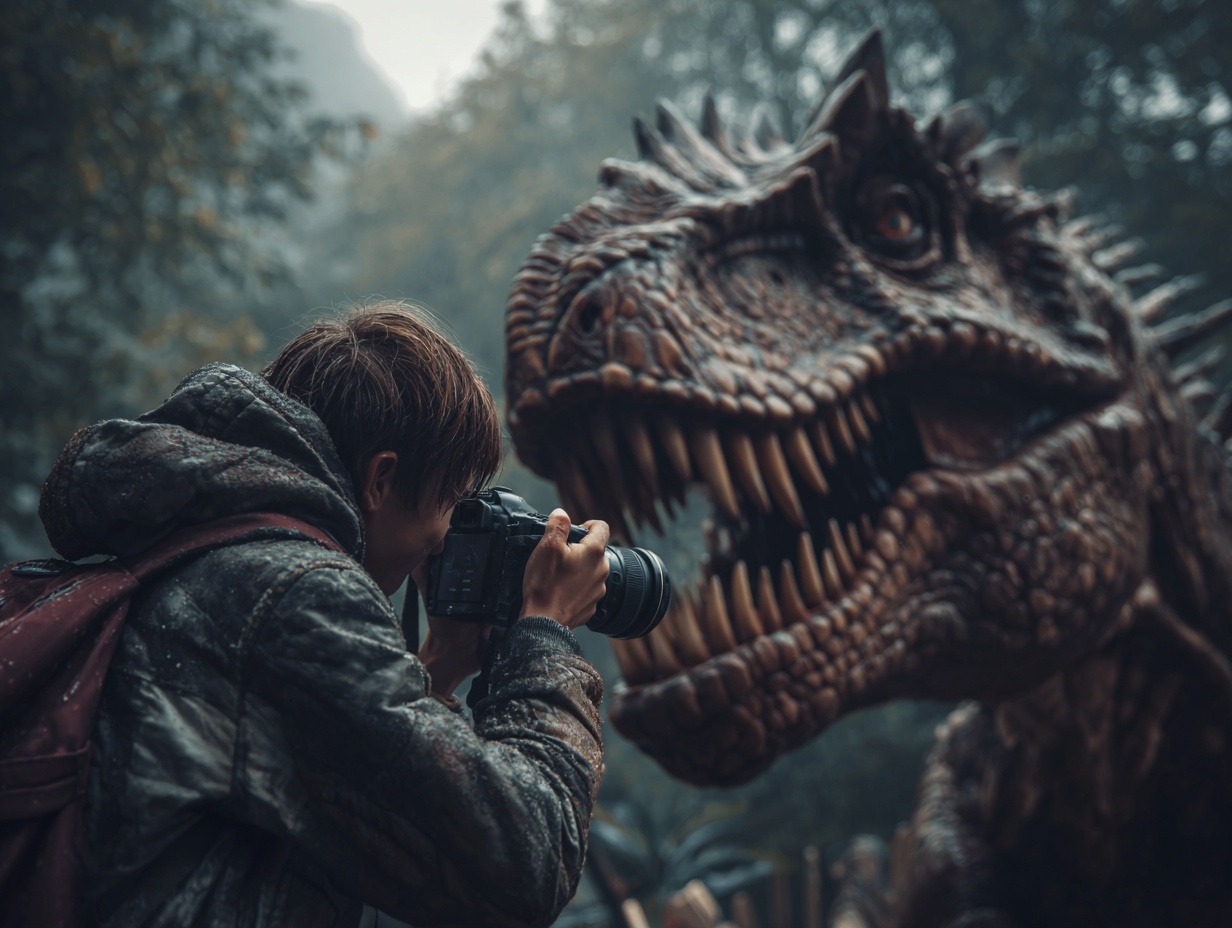
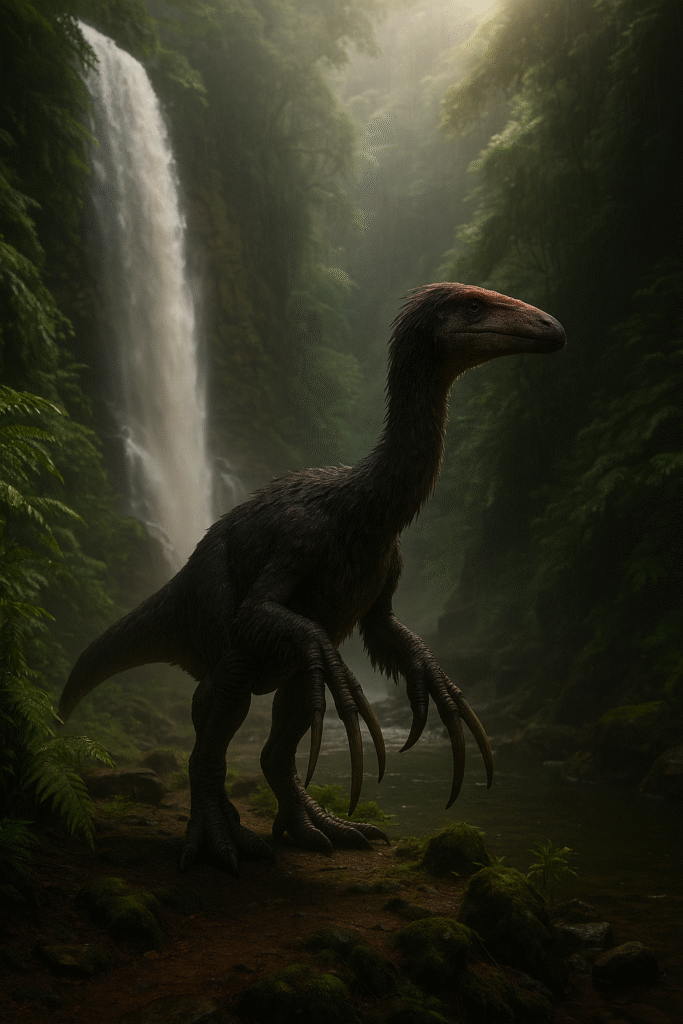
When I set out to find a Therizinosaurus, I wasn’t sure what to expect. I’d seen sketches of its claws, but seeing them in person? Totally different story. I found one in a dense, misty forest, its massive frame blending into the shadows.
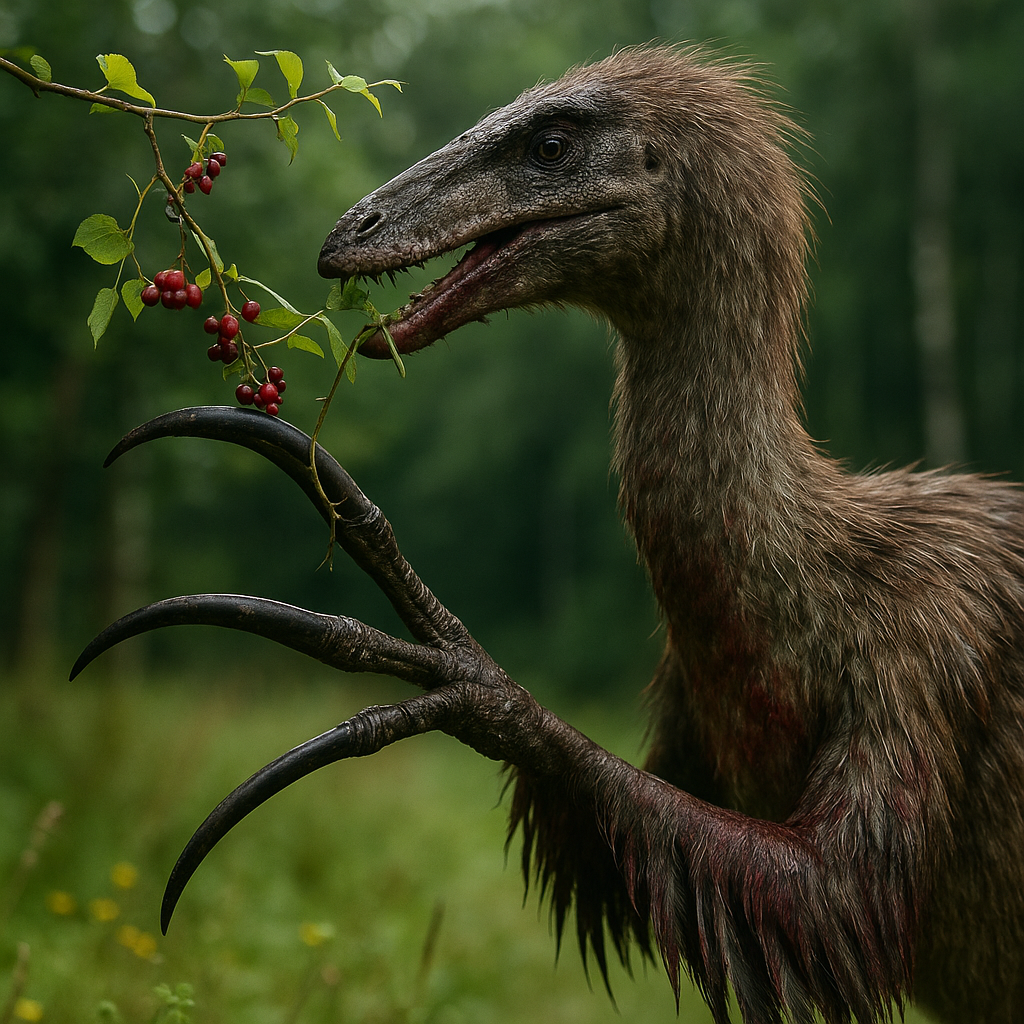
At first, it seemed calm, pulling branches from a tree with its long, clawed hands. I snapped a picture from behind a bush, amazed at how precise it was for such a massive creature. But then, it turned its head and spotted me.
Therizinosaurus doesn’t move fast—it doesn’t need to. It took one slow, deliberate step toward me, raising its claws slightly, like it was trying to decide whether I was worth the trouble. I held my breath, frozen.
Finally, it lost interest, turning back to its tree. I didn’t wait for a second encounter. I bolted, tripping over roots and branches as I tried to put as much distance between me and those claws as possible.
Why Does Therizinosaurus Have Such Huge Claws?
- Reaching Food
The claws may have helped pull vegetation closer, according to the Natural History Museum. - Defense
Whether the claws were strong enough to be weapons is uncertain; they may also have served as a threat display. - Display
The role of the claws in display remains a question, rather than a proven behavior.
Did You Know?
- Its enormous hand claws are among the most remarkable known from land animals; reconstructions involve uncertainty because the fossil remains are incomplete.
- Despite its terrifying appearance, it was a herbivore and likely not aggressive unless threatened.
- Fossils suggest it was closely related to birds, making it one of the most bizarre theropods ever discovered.
Real Therizinosaurus Pictures
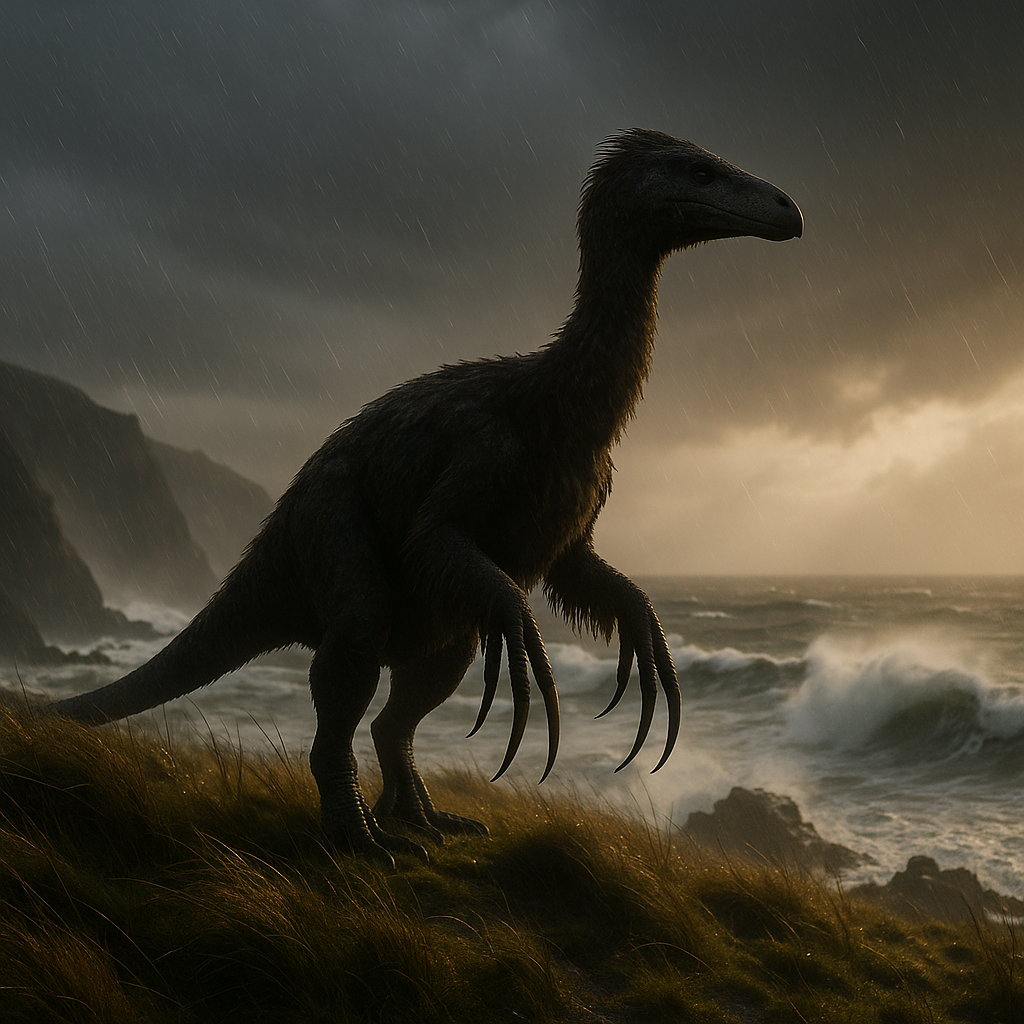
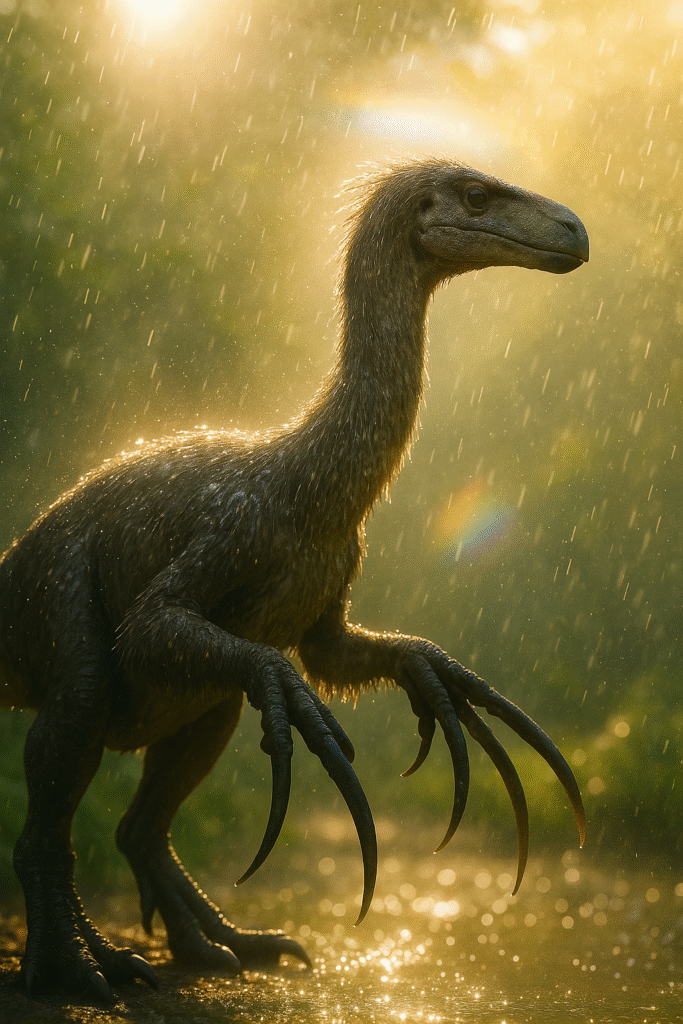
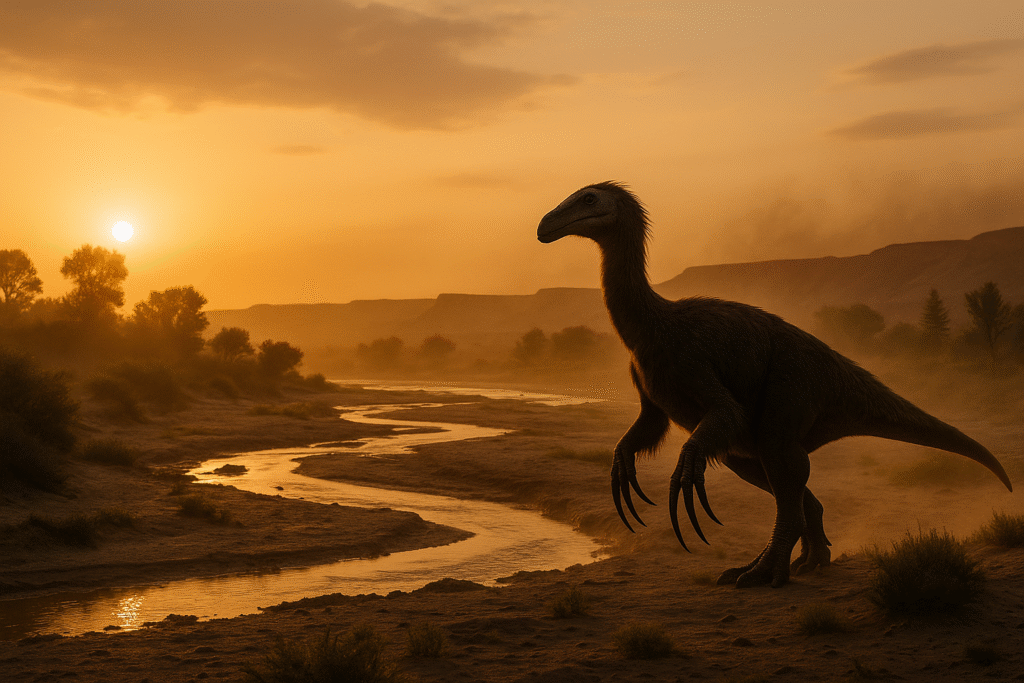
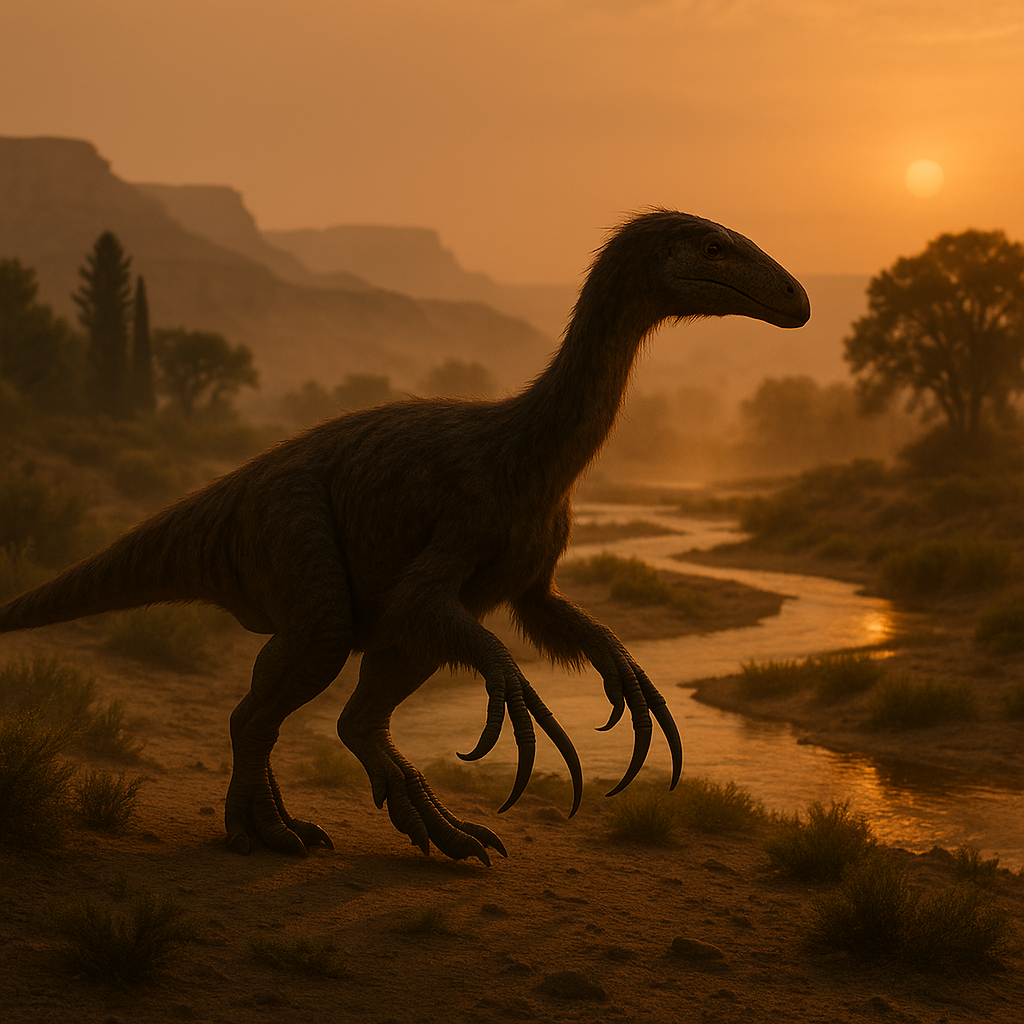
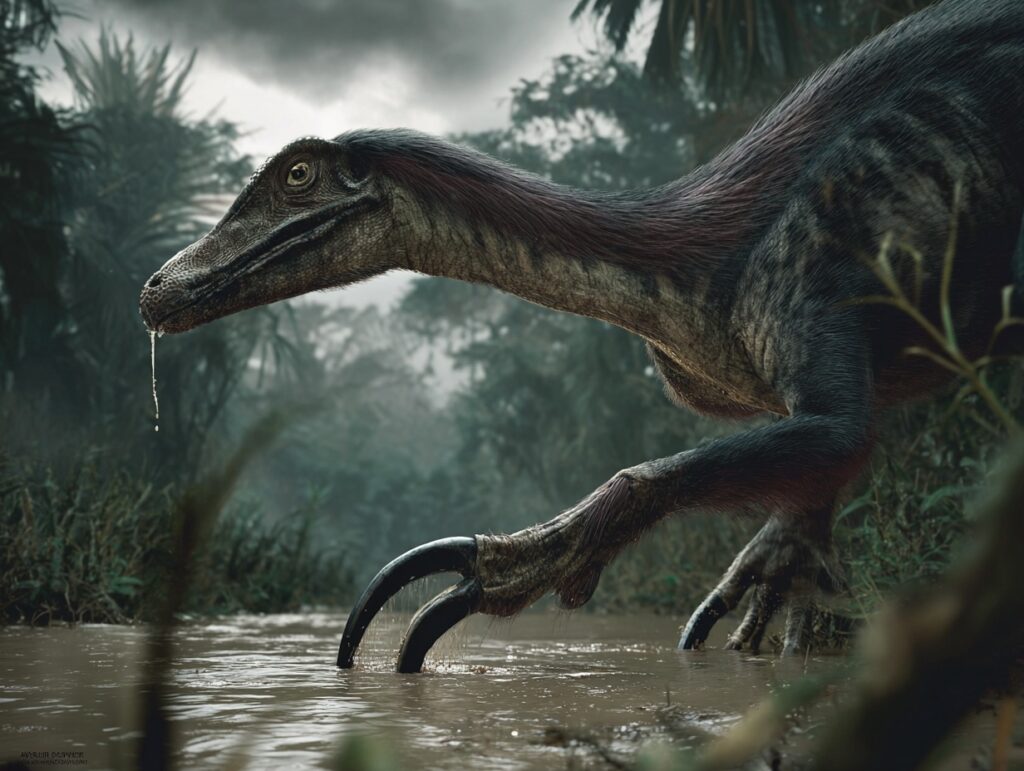
The picture I managed to take is one of the most dramatic in my collection. The Therizinosaurus is framed by misty trees, its claws silhouetted against the light. Sam said it looks like a scene from a dinosaur horror movie. I told her it felt like one, too.
Field Notes From Max
- Survival Tip: If you see Therizinosaurus, admire it from a distance. Those claws are even scarier up close.
- What I Learned: Therizinosaurus is proof that herbivores can be just as intimidating as carnivores.
- Favorite Moment: Watching it delicately pull branches from a tree, like it was gardening.
The Bigger Picture
Therizinosaurus is one of the strangest dinosaurs in this imagined encounter. Its massive claws and bird-like build make it a reminder that evolution can produce surprising forms; its temperament is unknown.
Back home, Therizinosaurus is a paleontological mystery. How did it evolve such extreme features? What role did those claws play in its everyday life? My photo might not answer all the questions, but it’s definitely going to get people talking. Meanwhile, Sam thinks I should start a “Weirdest Dinosaurs” series. “Call it ‘Dinosaurs That Look Like Nightmares,’” she said. Honestly? Not a bad idea.
Next up: Day 17: Archaeopteryx – The Missing Link Between Dinosaurs and Birds.
Ever wondered what the first bird looked like? Stay tuned for the time I chased an Archaeopteryx through the trees—and why it might have been smarter than me. 🦖🦕🪓
More Dinosaur Field Guides
- Tyrannosaurus Rex Facts and Pictures for Kids and Dino Nerds
- Dinosaur Names and Pictures: A Big Starter Guide for Curious Kids and Dino Nerds
- Maiasaura – The Dinosaur Known for Its Excellent Parenting Skills
- Types of Dinosaurs (With the Famous Ones You Actually Search For)
- Types of Dinosaurs (Explained Like You’re on a Field Trip with Max, Jake & Sam)