(Or, “Max’s Dino Fact-Checking Marathon”)
Max, Jake and Sam are fictional characters. This guide discusses the original 1999 series.
Short version: the series had real paleontologists behind it, and it still shows its age on feathers and on its dramatic scenes. The table below sums up the main points.
| Topic | What to know |
|---|---|
| Dinosaur behavior | The series showed herds, packs and territory fights. Fossils cannot confirm the exact tactics shown. |
| Coelophysis | Fossils include many individuals found together, but that does not establish coordinated pack hunting. |
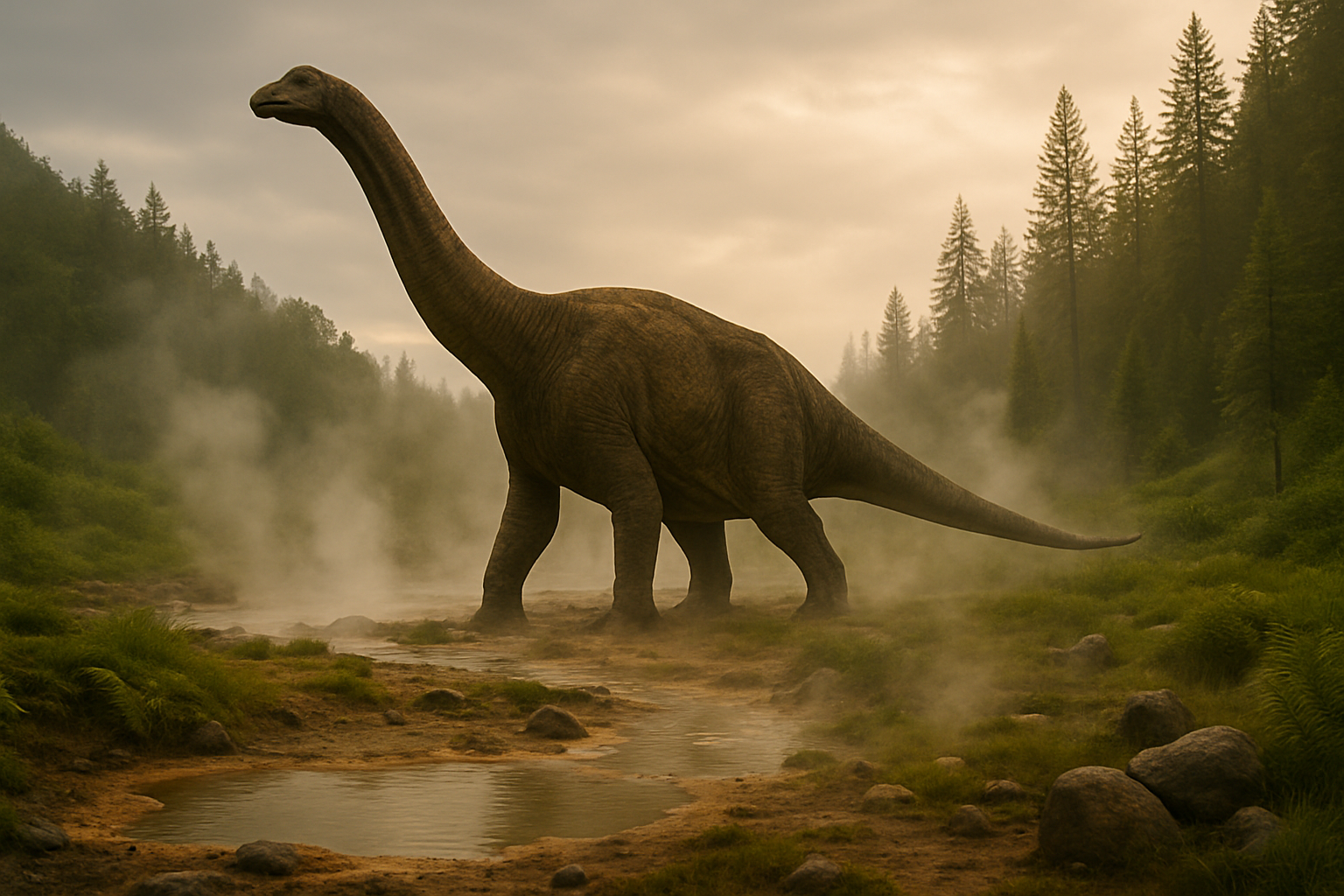
| Giant sauropods | The herd and its behavior are reconstructions; fossils do not establish every detail shown. |
| Feathers | Feathered dinosaur fossils were known by the 1990s, and later discoveries have transformed many reconstructions, including Velociraptor. |
| Pterosaurs | Pteranodon and other pterosaurs were flying reptiles closely related to dinosaurs, but they were not dinosaurs themselves. |
| End of the Cretaceous | The asteroid impact is supported by evidence, while researchers continue to study the sequence of extinctions. |
The same question comes up for the movies, so see how accurate Jurassic Park’s dinosaurs were. And since feathered dinosaurs came up, what dinosaurs still exist today explains why birds count.
“Max, how do you know Walking With Dinosaurs wasn’t just making stuff up?”
Jake was halfway through the series and had decided he was an expert. Sam rolled her eyes from behind her book.
“Because,” I said, pausing the episode, “they actually worked with paleontologists. It’s not perfect, but it’s pretty close. Want me to explain?”
“No,” Jake said immediately.
“Yes,” Sam said at the same time.
What Walking With Dinosaurs Got Right
Let’s start with the good stuff. For a series that came out in 1999, Walking With Dinosaurs was way ahead of its time.
- Dino Behavior
- The series did a great job showing how dinosaurs might have lived—herds of herbivores, packs of predators, and dramatic fights over territory.
- Example: The imagined hunts are intense, but fossils cannot confirm the exact tactics shown.
- Ecosystems
- Each episode explored a different time period and environment, from lush Jurassic forests to the arid plains of the Cretaceous.
- They nailed the idea that dinosaurs didn’t live in a vacuum—they shared their world with other animals, plants, and even early mammals.
- Scientific Consultation
- The creators worked with real paleontologists to base their stories on the best fossil evidence available at the time.
What to Treat Cautiously
Even with all that research, some things didn’t age well as science advanced.
- Feathers and Fossils
- The series reflects interpretations available when it was made. Feathered dinosaur fossils were known by the 1990s, and further discoveries have since transformed many reconstructions, including Velociraptor.
- Pterosaurs and Dinosaurs
- Pteranodon and other pterosaurs were flying reptiles closely related to dinosaurs, but they were not dinosaurs themselves.
- Overdramatized Scenes
- The dramatic encounters are reconstructions: fossils cannot tell us exactly how every encounter unfolded.
Max’s Favorite Themes
Here are a few themes to think about while watching the 1999 series, with notes on what fossils can and cannot tell us:
- Early Dinosaurs
- Focus: Early dinosaurs like Coelophysis.
- Accuracy: Coelophysis fossils include many individuals found together, but that does not establish coordinated pack hunting.
- Giant Sauropods
- Focus: Giant sauropods like Diplodocus.
- Accuracy: The herd and its behavior are reconstructions; fossils do not establish every detail shown.
- Marine Reptiles
- Focus: Marine reptiles.
- Accuracy: Reconstructions of marine ecosystems and behavior rely on incomplete evidence.
- The End of the Cretaceous
- Focus: The extinction of non-avian dinosaurs.
- Accuracy: The asteroid impact is supported by evidence, while researchers continue to study the sequence of extinctions.
Jake’s Hot Take
“So you’re saying they got, like, 80% of it right?” Jake asked, pausing the show.
“I wouldn’t put a percentage on it,” I said. “Scientists had found feathered dinosaurs by the 1990s, and discoveries have continued since.”
Sam smirked. “Does this mean you’re letting Jake off the hook for not knowing how to pronounce dinosaur names?”
“No,” I said immediately.
Sam’s Thoughtful Insight
“I think what made Walking With Dinosaurs so good,” Sam said, “is that it wasn’t just about facts—it made you feel like you were really there. Like you were watching history happen.”
“Exactly,” I said. “And even if some of the details are wrong, it’s still one of the best ways to understand how dinosaurs lived.”
Field Notes From Max
- Biggest Lesson: Science is always evolving, which means shows like this age quickly—but that’s part of what makes them fun to revisit.
- Favorite Scene: The dramatic dinosaur encounters. Terrifying, but epic.
- What’s Next: I’d love to see more dinosaur stories that include feathered species. (Hollywood, call me.)
Walking With Dinosaurs might not be perfect, but it’s still one of the most iconic dino documentaries ever made. If you’ve never seen it, watch it now—you’ll learn a ton, and you’ll probably fall in love with dinosaurs all over again. 🦖🎬✨
Related Dino Facts
- Tyrannosaurus Rex Facts and Pictures for Kids and Dino Nerds
- Dinosaur Names and Pictures: A Big Starter Guide for Curious Kids and Dino Nerds
- Types of Dinosaurs (With the Famous Ones You Actually Search For)
- Maiasaura – The Dinosaur Known for Its Excellent Parenting Skills
- Homeward Pause – Recapping the Chaos and Plotting What’s Next