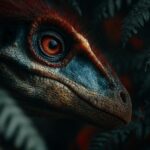
Jake squints at the museum plaque. “Is it velocirapter or velociraptor?”
“Spell it right and I’ll buy you a dinosaur costume,” Sam says.
“Deal,” I tell him. “But only if you can say Parasaurolophus without apologizing to vowels.”
I got too distracted with my last post, I was supposed to talk about the types of dinosaurs but focused on on the genus (Dinosauria = Ornithischia + Saurischia) so it’s pretty sciency. Sam says nobody can even pronounce those words and they just want to see dinosaur pictures.
So here’s a reader-friendly field guide to the dinosaurs everyone asks about—T. rex, Velociraptor, Spinosaurus, Triceratops, Stegosaurus, Giganotosaurus, Brachiosaurus, Ankylosaurus, Brontosaurus/Apatosaurus, Diplodocus, Iguanodon, Utahraptor, Allosaurus, Parasaurolophus—plus the usual ringers (Pteranodon/“pterodactyl” and Mosasaurus) that aren’t actually dinosaurs but ride along in your searches anyway. I’ve added quick “How to say it,” one unforgettable fact, and where it fits on the family tree. I’ll flag movie myths when they matter.
Which Dinosaur Is This? A Quick Spotter Chart
Short version: dinosaurs are traditionally split into Saurischia and Ornithischia, and the famous ones below sit in those groups, with two look-alikes that are not dinosaurs at all. Find your animal, spot its clue, then scroll down for the picture and the full story.
| Dinosaur | Where it fits | Spot it by |
|---|---|---|
| Tyrannosaurus rex | Theropod (meat-eater) | A bone-crushing bite |
| Velociraptor | Theropod (raptor) | Smaller than in the movies, and feathered: quill knobs on the forearm bone |
| Spinosaurus | Theropod (meat-eater) | Sail back and a paddle-like tail |
| Giganotosaurus | Theropod (meat-eater) | One of the largest known land predators |
| Allosaurus | Theropod (meat-eater) | Sleek and blade-toothed |
| Utahraptor | Theropod (raptor) | A big raptor, way larger than Velociraptor |
| Baryonyx | Theropod (meat-eater) | Fish scales in its stomach contents |
| Dilophosaurus | Theropod (meat-eater) | No evidence for venom or a neck frill |
| Brachiosaurus | Sauropod (long-neck) | Front legs longer than back legs |
| Diplodocus | Sauropod (long-neck) | Among the longest dinosaurs, with a whip-like tail |
| Brontosaurus and Apatosaurus | Sauropod (long-neck) | Brontosaurus was revived as valid by a 2015 study |
| Stegosaurus | Armored (thyreophoran) | Back plates and tail spikes |
| Ankylosaurus | Armored (thyreophoran) | A tail club |
| Triceratops | Ornithischian (horns and frills) | Three-horned face with a giant frill |
| Parasaurolophus | Ornithischian (bills and crests) | A sweeping head crest |
| Iguanodon | Ornithischian (bills and crests) | A thumb spike |
| Pteranodon (“pterodactyl”) | Not a dinosaur: a pterosaur | Wings that could reach about 20 ft (6 m) |
| Mosasaurus | Not a dinosaur: a marine reptile | An ocean apex predator of the Late Cretaceous |
| Archaeopteryx | Bird-origin story | Both dinosaur and bird traits |
The Heavy Hitters (Theropods: the meat-eaters…and the bird line)

Tyrannosaurus rex (a.k.a. T. rex, tyrannosuruces rex, tyrannosaurus)
Say it: tie-RAN-oh-SAWR-us reks
Why we’re obsessed: The bite wasn’t just big; it was bone-crushing. Models point to ~8,000 lb bite forces and tooth pressures high enough to pulverize cortical bone, a feeding style called extreme osteophagy.
Translation: it didn’t just crack ribs; it treated bones like breadsticks. ScienceDaily Nature
When/where: Late Cretaceous, western North America.

Velociraptor (velocirapter, raptor dinosaur)
Say it: veh-LOSS-ih-RAP-ter
Reality check: Smaller than in the movies (think turkey-to-medium-dog size) and feathered. We’ve got literal quill knobs on the forearm bone: attachment points for wing-like feathers. PubMed American Museum of Natural History
When/where: Late Cretaceous, Mongolia.

Spinosaurus
Say it: SPY-no-SAWR-us
Signature move: That sail-backed fish-eater had a paddle-like tail adapted for propulsion, supporting a semi-aquatic lifestyle (think: river monster). There’s still debate over how aquatic—some research champions a strong water adaptation; other work argues “semi-aquatic, not fully.” BPBeLife
When/where: Mid Cretaceous, North Africa.

Giganotosaurus
Say it: jig-uh-NO-tuh-SAWR-us (hard “giga”)
Claim to fame: One of the largest known land predators (sizes vary with fragmentary fossils; still a giant). Encyclopedia Britannica
When/where: Late Cretaceous, South America.

Allosaurus
Say it: AL-oh-SAWR-us
Note: The Jurassic’s apex headline—sleek, blade-toothed, museum-favorite (with fresh 2024 type-specimen news at the Smithsonian). Smithsonian Magazine
When/where: Late Jurassic, North America.

Utahraptor (utah raptor)
Say it: YOO-tah-rap-ter
Why it trends: A big raptor (dromaeosaur), way larger than Velociraptor. You can literally visit Utahraptor State Park near Moab, where the bone beds are legendary. Utah State Parks
When/where: Early Cretaceous, Utah (US).

Baryonyx
Say it: BAIR-ee-ON-iks
Fun true story: Stomach contents included fish scales (and Iguanodon bits), confirming it wasn’t only a fish specialist. Natural History Museum+1
When/where: Early Cretaceous, UK.

Dilophosaurus (dilophosauru8s)
Say it: dye-LOFF-oh-SAWR-us
Myth bust: No evidence for venom or a neck frill—that’s movie magic. National GeographicNatural History Museum
When/where: Early Jurassic, North America.
The Long-Neck Legends (Sauropods: giant plant-eaters)

Brachiosaurus (the good dinosuar favorite)
Say it: BRACK-ee-oh-SAWR-us
Look: Longer front legs than back legs = a naturally up-tilted body built to browse tall trees. Natural History Museum
When/where: Late Jurassic, North America.

Diplodocus
Say it: dih-PLOD-oh-kus (both DIP-lo and dih-PLOD-oh are used)
Why it’s famous: Among the longest dinosaurs, with a whip-like tail; the NHM’s “Dippy” made it a household name. Natural History Museum+1
When/where: Late Jurassic, North America.

Brontosaurus & Apatosaurus (brontosaurus, apatosaurus)
Say it: bron-toe-SAWR-us / uh-PAT-oh-SAWR-us
Taxonomy soap opera: Brontosaurus was folded into Apatosaurus in 1903, then revived as valid by a 2015 study (still discussed, but widely covered by major outlets and the PeerJ paper itself). PeerJ+1
When/where: Late Jurassic, North America.
Armor & Attitude (Thyreophorans + friends)

Stegosaurus
Say it: STEG-oh-SAWR-us
Plates vs. spikes: The back plates were likely for display/thermoregulation, and the tail thagomizer spikes were for defense. Don’t stand behind it. American Museum of Natural History
When/where: Late Jurassic, North America.

Ankylosaurus
Say it: ang-KYE-loh-SAWR-us
Iconic move: A tail club capable (in big adults) of bone-breaking impacts per biomechanical modeling. PubMed Central
When/where: Late Cretaceous, North America.
Horns, Bills, and Beaks (Ornithischians: crowd favorites)

Triceratops
Say it: try-SEH-ruh-TOPS
Vibe: “Three-horned face” with a giant frill; the poster child of Late Cretaceous herbivores. the dome-headed dinosaur
For more pictures of this one, see the Triceratops pictures guide.

Parasaurolophus
Say it: PAR-uh-sore-OL-uh-fuss
Party trick: That sweeping head crest likely amplified low, resonant calls—a built-in brass section. Newer modeling keeps strengthening the acoustic case. Acoustical Society of AmericaPhys.org
When/where: Late Cretaceous, North America.

Iguanodon
Say it: ih-GWAH-noh-don
Signature feature: The thumb spike, probably defense at close quarters (and a fossil that helped kick off dinosaur science in the 1820s to 1840s). Natural History Museum
Not-Dinosaurs You Still Search For (and the bird connection)
Pteranodon and Mosasaurus aren’t dinosaurs. Archaeopteryx belongs to the bird-origin story below: birds are living dinosaurs.

“Pterodactyl” / Pteranodon (pterodactyl, pteranodon)
They’re pterosaurs—flying reptiles, close cousins to dinosaurs, but not dinosaurs. Pteranodon’s wings could reach ~20 ft (6 m). American Museum of Natural History+1
Pro tip: “Pterodactyl” is a popular nickname; the real genus is Pterodactylus (smaller, Jurassic). Encyclopedia Britannica

Mosasaurus
A marine reptile closer to modern lizards/snakes than to dinosaurs—an ocean apex predator of the Late Cretaceous. Not a dinosaur. Encyclopedia Britannica

Archaeopteryx (since you asked about “raptor dinosaur” and bird origins)
A famous Late Jurassic fossil with both dinosaur and bird traits; a landmark in showing that birds are living dinosaurs. Evolution BerkeleyNatural History Museum
Quick Reality Checks

- Are birds dinosaurs? Yes. Birds are avian theropod dinosaurs; “non-avian dinosaurs” are the others. Evolution Berkeley
- Is “Pterodactyl” a dinosaur? No—pterosaurs ≠ dinosaurs. American Museum of Natural History
- Did Dilophosaurus spit venom or fan a frill? Movie myth. National Geographic
- Was Spinosaurus aquatic? Evidence supports strong water adaptations (tail for propulsion), though some researchers argue semi-aquatic rather than fully aquatic. BPBeLife
Dinosaur World, Dinosaur National Monument, and other favorites
- Dinosaur World = a family of US theme parks (Florida, Kentucky, Texas). Explore the attraction. dinosaurworld.com
- Dinosaur National Monument (Utah/Colorado) = real fossils in the Utah Quarry Exhibit Hall—over 1,500 bones visible in the wall. (If you want photos, they’re spectacular.) National Park Service+1
- “The Good Dinosaur” = Pixar’s Apatosaurus heart-tugger—great for family posts. Pixar Animation Studios
Dinosaur Image References
- T. rex skull close-up (“Tooth serrations and robust jaw of T. rex”). Nature
- Velociraptor forearm fossil with quill knobs (“Attachment points for secondary feathers”). American Museum of Natural History
- Spinosaurus tail reconstruction (“High fineness-ratio tail adapted for lateral propulsion”). BPB
- Stegosaurus plate row + thagomizer (“Two alternating plate rows; defensive tail spikes”). American Museum of Natural History
- Pteranodon museum model in glide (“Large crest; ~6 m wingspan; not a dinosaur.”). American Museum of Natural History
- Mosasaurus mural (“Late Cretaceous marine reptile; apex predator, not a dinosaur”). Encyclopedia Britannica
Dinosaur Names and Common Spellings
- t rex / tyrannosuruces rex → Tyrannosaurus rex
- velocirapter / raptor dinosaur → Velociraptor (a dromaeosaurid raptor) Encyclopedia Britannica
- giganotosaurus (say “jig-uh-NO-…”) → Giganotosaurus Encyclopedia Britannica
- brontosaurus / apatosaurus → the 2015 study proposed reviving Brontosaurus as a distinct genus. PeerJ
- pterodactyl / pteranodon → pterosaur, not dinosaur. American Museum of Natural History
- mosasaurus → marine reptile (not dinosaur). Encyclopedia Britannica
- indominus rex / indoraptor → Jurassic World fictional hybrids. Jurassic Park Wiki+1
Frequently Asked Questions
What are the main types of dinosaurs?
Paleontologists traditionally split dinosaurs into Saurischia (theropods + sauropodomorphs) and Ornithischia (ornithopods, armored thyreophorans, and marginocephalians like Triceratops). It’s a useful, still standard map, even as studies refine the tree. UC Museum of Paleontology For the long field-trip version, read that field-trip explainer.
Are pterodactyls and mosasaurs dinosaurs?
No. Pterosaurs (like Pteranodon) are flying reptiles; mosasaurs are marine reptiles closer to snakes and monitor lizards. They lived alongside dinosaurs but sit on different branches. American Museum of Natural HistoryEncyclopedia Britannica
Bonus: Where pop-culture helps (and where it doesn’t)
- Dinosaur Train (PBS) = kid-friendly way to name groups and eras; a useful resource for parents. PBS KIDS
- Jurassic Park/World myths to correct: venom-spitting Dilophosaurus, scaly Velociraptors (they were feathered), and the very entertaining but fictional Indominus rex/Indoraptor. National GeographicPubMedJurassic Park Wiki
Related Dino Facts
- Tyrannosaurus Rex Facts and Pictures for Kids and Dino Nerds
- Dinosaur Names and Pictures: A Big Starter Guide for Curious Kids and Dino Nerds
- Types of Dinosaurs (Explained Like You’re on a Field Trip with Max, Jake & Sam)
- Maiasaura – The Dinosaur Known for Its Excellent Parenting Skills
- Homeward Pause – Recapping the Chaos and Plotting What’s Next
FAQs
What are the main dinosaur groups to know?
The big split is Saurischia (theropods like T. rex and sauropods) vs Ornithischia (ceratopsians, hadrosaurs, ankylosaurs, stegosaurs).
Which famous dinosaurs are most searched?
T. rex, Velociraptor, Triceratops, Brachiosaurus, and Stegosaurus dominate interest; newer finds like Spinosaurus also rank high.
Sources & Authority Links