Looking for the battering ram dinosaur? That’s Pachycephalosaurus. Its dome was real, but how it used it remains debated. Max’s encounter below is imagined.
Short version: yes, it had a real dome, but whether it rammed rivals head-on is still argued. Here are the facts first, then Max’s imagined run-in.
Quick Facts About Pachycephalosaurus
Here’s what makes this dinosaur stand out from the crowd:
| Fact | Detail |
|---|---|
| Name meaning | “Thick-headed lizard” |
| Time period | About 70–66 million years ago, Late Cretaceous |
| Size | About 15 feet long, around 1,000 pounds |
| Diet | Herbivore, tough vegetation and possibly fruit |
| Habitat | Open woodlands and plains in North America |
| Skull dome | Over 10 inches thick |
Did It Really Ram With Its Head? The Debate
This is where the dinosaur gets seriously cool, and where the science is still open. Three ideas compete:
- Head-on ramming: rivals charged and cracked domes together, like a battering ram.
- Flank-butting: they aimed at each other’s sides rather than skull-to-skull.
- Display: the dome was for showing off, with color or pattern, more than for impact.
If I had to bet my lunch on it, I’d say a mix. The dome is real and thick either way.
Max’s Encounter: Dome vs. Drone
Day 28: Pachycephalosaurus is one of those dinosaurs that makes you do a double take. With a skull over 10 inches thick, it looks like evolution decided to give this plant-eater a battering ram for a head. My encounter with this dome-headed wonder started as an innocent attempt to snap a few pictures—and ended with me running for cover as two of them turned their ramming abilities into a full-on battle. Oh, and the robots showed up again, just to make things even more complicated.
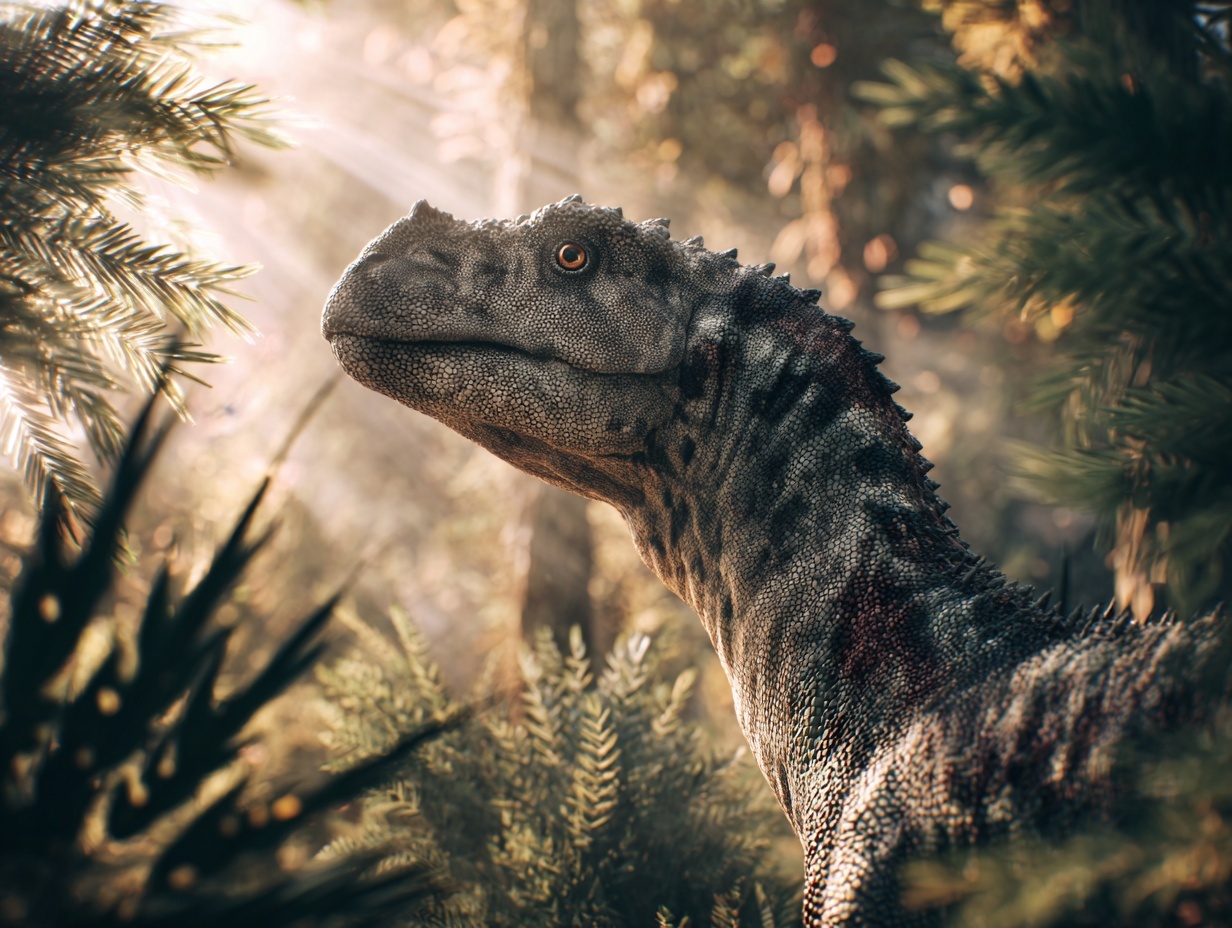
I spotted the first Pachycephalosaurus near the edge of a forest, grazing peacefully on low-hanging branches. Its thick, dome-shaped skull glinted in the sunlight, and I couldn’t help but marvel at how odd it looked. I crouched behind a rock, snapping photos, when another Pachycephalosaurus emerged from the trees.
The first one lifted its head, letting out a low grunt. The second responded with a snort, and before I knew it, they were circling each other like sumo wrestlers preparing for a match. Then came the clash—an ear-splitting crack as their domed skulls collided.
I was so focused on capturing the moment that I almost didn’t notice the faint hum behind me. Turning slowly, I spotted another one of the robots—sleek, metallic, and glowing faintly blue. It hovered above the clearing, watching the Pachycephalosaurus as they clashed again.
The robot emitted a sharp, high-pitched sound, and the dinosaurs stopped mid-battle, turning their heads toward the intruder. That’s when the robot released a small, glowing orb that landed in the dirt. The Pachycephalosaurus reacted instantly, charging the orb with a roar. When their skulls collided with the orb, it shattered, sending out a shockwave that knocked me off my feet.
A Clue Hidden in the Chaos
After the shockwave cleared, I noticed something half-buried in the dirt where the orb had been. It was a metallic disc, engraved with more of those alien symbols I’d seen before—and a faint inscription that read, “Harrow’s Vault III.”
The robots weren’t just watching—they were actively interfering. But why? Were they trying to protect the treasure or keep me from finding it?
What Makes Pachycephalosaurus So Unique?
- Thick Skull
- Pachycephalosaurus had a thick bony dome. Whether and how it absorbed impacts in life remains debated.
- Headbutting Behavior
- Researchers have proposed several uses for pachycephalosaur domes, including contests and display. See the Natural History Museum.
- Adaptations for Impact
- Its skull was thick, but calling it a battering ram assumes a use that remains debated.
Did You Know?
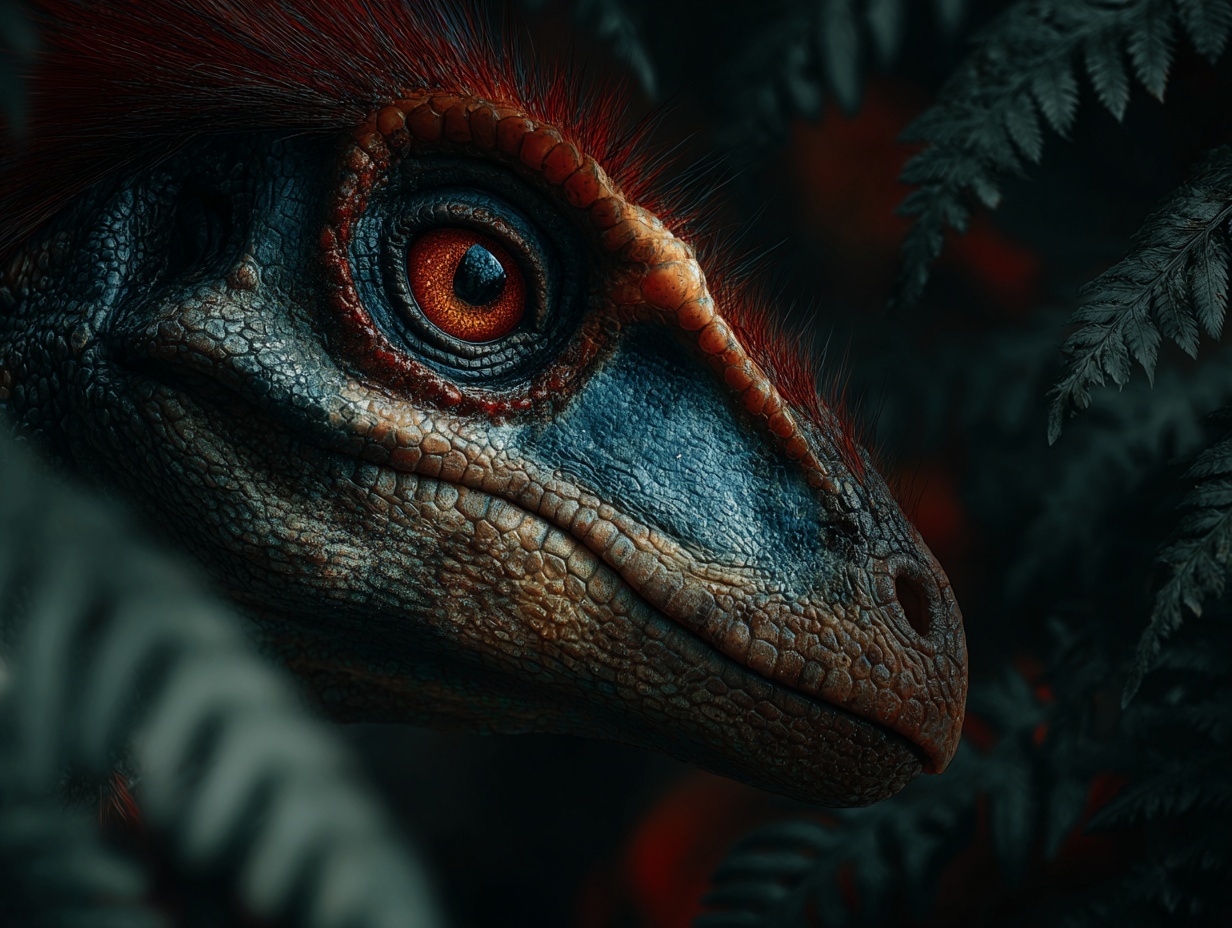
- Pachycephalosaurus’s head dome could have also been used for visual displays, with coloration or patterns that attracted mates.
- Despite their intimidating skulls, they were herbivores and likely fed on tough plants.
- Head-to-head impacts, pushing and flank impacts are competing ideas; the encounter above is imagined.
Real Pachycephalosaurus Pictures
The photo I captured shows two Pachycephalosaurus mid-charge, their domes locked in combat. Sam said it looks like a dinosaur version of a medieval joust, and honestly? She’s not wrong.
No illustration is available in this section yet.
Compare it with another weapon-headed plant eater in our Triceratops pictures, and meet the armored tank of the same era in our Ankylosaurus guide.
Field Notes From Max
- Survival Tip: Keep your distance from Pachycephalosaurus—they might not eat you, but getting caught in the crossfire of a headbutting match isn’t fun.
- What I Learned: Dinosaurs weren’t just predators and prey—they had complex social behaviors that we’re only beginning to understand.
- Favorite Moment: Watching the Pachycephalosaurus charge the robot’s orb. Nature versus tech has never been so intense.
Modern-Day Fallout: Sam Steps Up
When I got home, Sam was waiting with the map from Harrow’s journal. “I think I found Shadow Cavern,” she said, pointing to a spot on the map that matched a real-world fossil site. “But if those robots are messing with the timeline, we’re going to need a plan.”
Her plan? Load up her dad’s old SUV (he never checks the mileage anyway), grab some supplies, and head out before the FBI or the robots caught on. “We’ll be like National Geographic meets Mad Max,” she said, grinning.
The stakes have never been higher. The FBI agent is still watching me, the aliens seem to have their own agenda, and now the robots are actively interfering with the treasure hunt. If Sam and I don’t figure this out soon, Harrow’s treasure—and the truth about what’s really going on—might be lost forever.
The Bigger Picture
Pachycephalosaurus may be famous for its headbutting, but its role in the bigger mystery is even more intriguing. Between the robots’ interference, Harrow’s cryptic clues, and the increasing pressure from the modern world, every encounter is becoming a piece of a much larger puzzle.
Sam thinks the next trip could uncover something huge—or get us into serious trouble. Either way, I’m all in.
Next up: #29: Maiasaura – The Dinosaur Known for Its Excellent Parenting Skills.
What happens when dinosaurs turn out to be nurturing and social creatures? Stay tuned for the time I found a Maiasaura nesting site—and why it gave me another key to unraveling Harrow’s mystery. 🦖🤖🕵️♂️
More Dinosaur Field Guides
- Tyrannosaurus Rex Facts and Pictures for Kids and Dino Nerds
- Dinosaur Names and Pictures: A Big Starter Guide for Curious Kids and Dino Nerds
- Maiasaura – The Dinosaur Known for Its Excellent Parenting Skills
- Types of Dinosaurs (With the Famous Ones You Actually Search For)
- Types of Dinosaurs (Explained Like You’re on a Field Trip with Max, Jake & Sam)