“Or: The One Where Jake Calls a Stegosaurus a ‘Stego-sore-us’ and Sam makes that face.”
Short answer: The traditional dinosaur family tree has two big branches based on hip shape: Saurischia (theropods and sauropodomorphs) and Ornithischia (ornithopods, thyreophorans and marginocephalians). The naming joke writes itself: birds belong to the “lizard-hipped” branch, not the “bird-hipped” one.
| Branch | Group | What they are | Examples |
|---|---|---|---|
| Saurischia (“lizard-hipped”) | Theropods | Meat-eaters and the line that becomes birds | T. rex, Velociraptor |
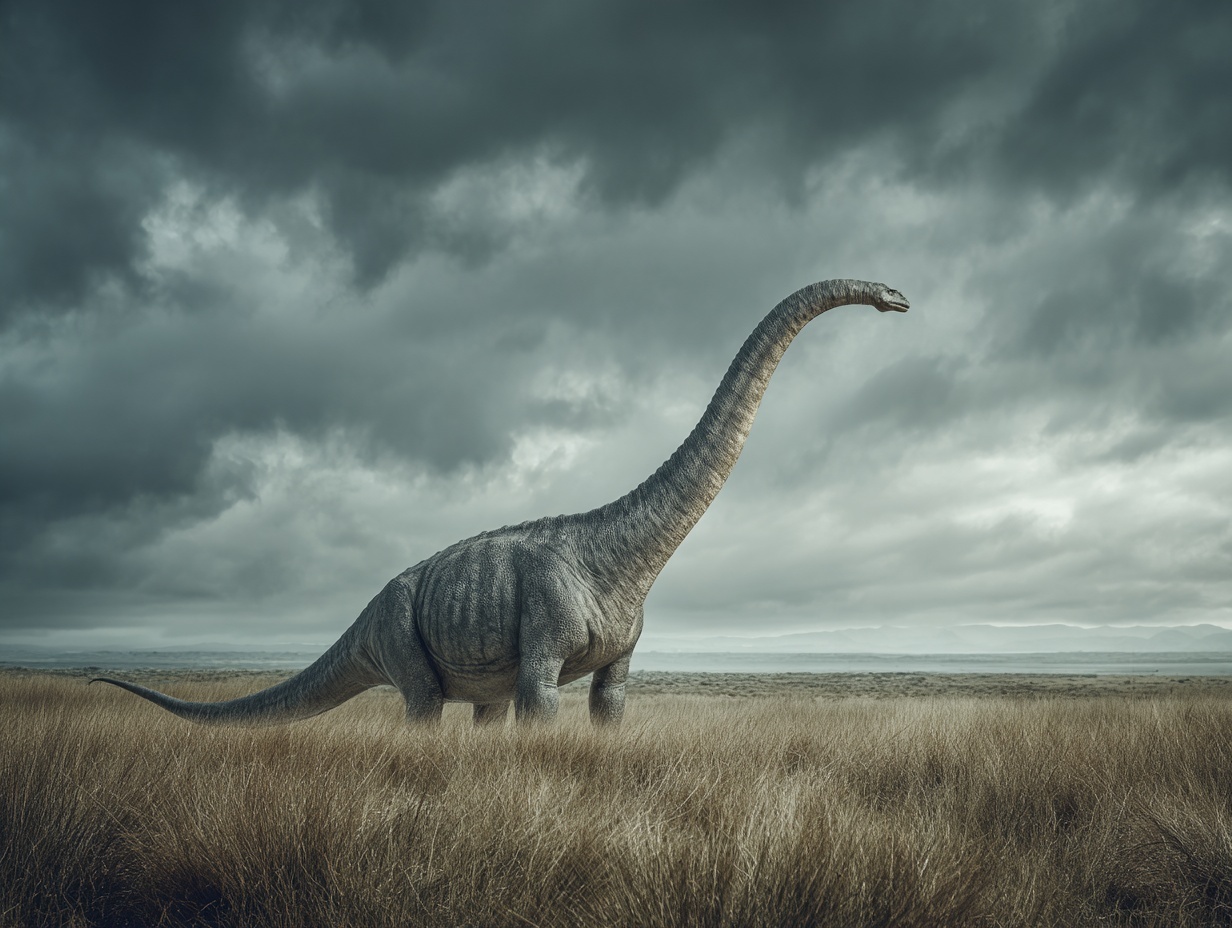
| Saurischia (“lizard-hipped”) | Sauropodomorphs | Long-necked plant-eaters, including the classic sauropods | Brachiosaurus, Diplodocus, Argentinosaurus |
| Ornithischia (“bird-hipped”) | Ornithopods | Hadrosaurs, the “duck-bills” | Parasaurolophus |
| Ornithischia (“bird-hipped”) | Thyreophorans | Armored dinosaurs: stegosaurs and ankylosaurs | Stegosaurus, Ankylosaurus |
| Ornithischia (“bird-hipped”) | Marginocephalians | Ceratopsians and dome-heads | Triceratops, Pachycephalosaurus |
I was halfway through explaining why duck-billed hadrosaurs are the introverts of the Cretaceous when Jake raised his hand like we were in fourth grade.
“Are we doing types of dinosaurs, or just the famous ones?” he asked.
“Types,” I said. “As in the big branches of the dino family tree. The stuff that makes you sound smart at museums.”
Sam: “And maybe how not to embarrass yourself pronouncing Parasaurolophus.”
Jake (already sweating): “Para-sorry-what-now?”
Below is your friendly guide to types of dinosaurs—what the groups are, when they lived, what made them weird, and how to talk about them like you’ve been dusting fossils all summer. I’ll flag common mix-ups (looking at you, pterosaurs), and I’ll give you a quick timeline so you can place each group in the Triassic–Jurassic–Cretaceous parade we call the Mesozoic Era.
Want the famous names? Try Types of Dinosaurs (With the Famous Ones You Actually Search For). Here, we’re sorting out the branches, from Ankylosaurus tail clubs to the dino-tuba that is Parasaurolophus.
Quick truth that wins arguments: Birds are dinosaurs (specifically, avian theropods). Non-avian dinosaurs are the rest—the ones that didn’t make it past 66 million years ago. Understanding Evolution
The 30-Second Map: Two Grand Branches
Paleontologists traditionally split dinosaurs into two giant “hips-don’t-lie” lineages based on pelvis shape:
- Saurischia (“lizard-hipped”)
- Theropods (meat-eaters and the line that becomes birds)
- Sauropodomorphs (long-necked plant-eaters, including the classic sauropods)
- Ornithischia (“bird-hipped,” ironically not the bird line)
- Ornithopods (hadrosaurs/“duck-bills”)
- Thyreophorans (armored dinos: stegosaurs + ankylosaurs)
- Marginocephalians (ceratopsians like Triceratops + dome-heads like Pachycephalosaurus)
That scheme’s still widely used—even as researchers debate refinements to the dinosaur family tree. National Park ServiceNatural History MuseumUniversity of Cambridge
Theropods (Meat-Eaters… and Eventually, Birds)
What they are: Mostly bipedal predators with hollow bones and (usually) sharp, serrated teeth. Think T. rex, Velociraptor, also… every sparrow you’ve ever side-eyed at a café.
Signature flex: From bone-crushing jaws to feathered show-offs. (Yes, many theropods had feathers; birds are living theropod dinosaurs.) Wikipedia; Understanding Evolution
- Tyrannosaurus rex: Famous for jaw physics that could pulverize bone—~8,000 lb bite force with tooth pressures in the hundreds of thousands of PSI. Translation: it could crunch through dinner and the dinner plate. NatureScienceDaily
- Velociraptor: Smaller than the movies, definitely feathered; fast, clever, bird-adjacent menace. WIRED
Max’s note: “If you want to win a debate online, just say ‘avian theropod’ and walk away.”
Sauropodomorphs (Long Necks, Longer Commutes)
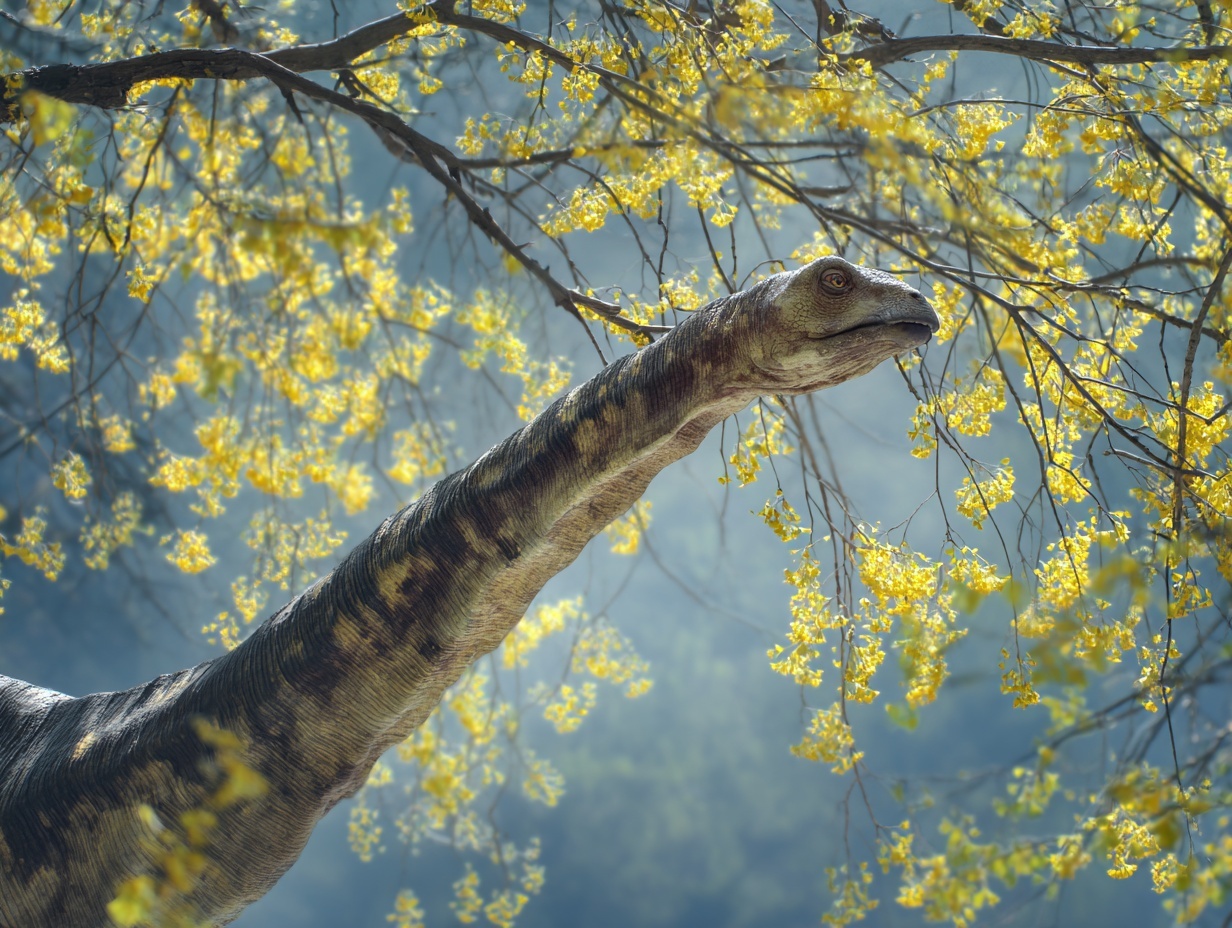
What they are: The skyscrapers of the Mesozoic. Brachiosaurus, Diplodocus, Argentinosaurus and their kin.
Signature flex: Pillar legs, air-sac-boosted breathing, necks like cranes, small heads carrying big vibes. (And no, they weren’t too heavy to live—evolution handled the engineering.)
Ornithopods (The Social Herbivores)
What they are: The diverse, often highly social plant-eaters—especially hadrosaurs (duck-bills).
Signature flex: Dental batteries that turned trees into smoothies; fancy crests for display and sound.
- Parasaurolophus: That sweeping head-crest likely worked as a resonating tube—think built-in tuba for low, booming calls. Acoustics
Thyreophorans (Armored Divas)
Two main sub-types, both walking arguments for medieval fashion.
Stegosaurs
What they are: Plate-backed Jurassic throwbacks with a spiky tail (thagomizer if you want to sound extra).
Why we care: Plates likely did a bit of everything—thermoregulation, display, don’t-eat-me signage.
More on this spiky one is in our Stegosaurus facts guide.
Ankylosaurs
What they are: Tank-like Cretaceous low-brows with bone-plated armor and tail clubs.
Signature flex: The big clubs could deliver bone-breaking impacts. Not movie-myth, actual biomechanics. PLOS; PMC
Marginocephalians (Headgear Enthusiasts)
Ceratopsians (frills & horns)
Triceratops headlines the crew: massive frills, brow horns, a face that says I will ruin your afternoon.
Pachycephalosaurs (dome-heads)
Skull domes built like bowling balls; debate continues about whether they rammed heads or just head-displayed for the gram.
For the dome-headed dinosaur up close, see our Pachycephalosaurus guide.
The “Not Technically Dinosaurs (But Always In the Posters)” Section
- Pterosaurs (Pteranodon, Quetzalcoatlus): Flying reptiles, close cousins—not dinosaurs. First vertebrates to master powered flight. American Museum of Natural HistoryNatural History Museum
- Marine reptiles (Mosasaurus, Elasmosaurus, Ichthyosaurs): Sea-going lizards/others; again, not dinosaurs. Mosasaurs are closer to snakes/monitor lizards. Encyclopedia Britannica
Jake: “So Mosasaurus isn’t a dinosaur?”
Sam: “No. But it will still eat you.”
When They Lived (The Big Clock)
The Mesozoic Era runs ~252–66 million years ago, split into Triassic (252–201 Ma), Jurassic (201–145 Ma), Cretaceous (145–66 Ma). That last number—66 Ma—is when a certain asteroid reset the food chain. stratigraphy.org
- Theropods: Triassic origins → Jurassic expansion → Cretaceous diversity → birds continue today. Understanding Evolution
- Sauropodomorphs: Triassic roots → huge Jurassic → titanosaurs dominate parts of the Cretaceous.
- Ornithopods & Ceratopsians & Ankylosaurs: Mostly Jurassic–Cretaceous, with many stars peaking in the Late Cretaceous.
- Stegosaurs: Best-known in the Jurassic.
The non-avian party ends at the Cretaceous–Paleogene boundary (~66 Ma), the one tied to the Chicxulub impact. Birds (avian dinosaurs) make it through. University of Notre Damenaturalhistory.si.edu
Pronunciation Speed-Run (Because Jake Asked)
- Theropod (THAIR-uh-pod)
- Sauropod (SOR-uh-pod)
- Ceratopsian (seh-ruh-TOP-see-uhn)
- Ankylosaurus (ang-KYE-loh-SAW-rus)
- Parasaurolophus (PAR-uh-SOR-OL-uh-fuss)
- Pachycephalosaurus (PAK-ee-SEF-uh-loh-SAW-rus)
FAQs (People Also Ask)
Are birds dinosaurs?
Yes—birds are living, avian theropod dinosaurs. The rest are “non-avian” and ended at 66 Ma. Understanding Evolution
Were pterosaurs dinosaurs?
Close cousins, not dinosaurs. They evolved powered flight separately. American Museum of Natural History
Did Ankylosaurus really swing that tail like a mace?
For big adults with hefty clubs, models show bone-breaking impact forces were feasible. PLOS
Could T. rex crush a car?
Let’s keep it scientific: the bite force (~8,000 lb) and extreme tooth pressure were more than enough to crack bone routinely. Cars are not in the fossil record. Nature
What did the Parasaurolophus crest do?
Likely acoustic resonance for calls (and probably display). Modeling still evolves, but the “dino-tuba” idea has solid support. Acoustics
Sources & Further Reading
- National Park Service: overview of the major dinosaur groups. National Park Service
- Natural History Museum (London): hip-based classification and debates about the family tree. Natural History Museum
- UC Berkeley Evolution: birds as dinosaurs (excellent primer). Understanding Evolution
- ICS Chronostratigraphic Chart: official period dates. stratigraphy.org
- Scientific Reports (Nature): T. rex tooth pressures / bone-crushing bites. Nature
- PLOS ONE: ankylosaur tail-club impact modeling. PLOS
- NHM + AMNH & Britannica: why pterosaurs/mosasaurs aren’t dinosaurs. American Museum of Natural HistoryEncyclopedia Britannica
Field Notes from Max
Coolest flex: that dinosaurs weren’t a single moment—they were a 170+ million-year experiment in being spectacularly weird, and one branch is still here, hogging your bird feeder.
Worst habit: letting Jake pronounce Iguanodon like a yoga pose.
When Did the Dinosaurs Live? (With Each Type on the Timeline)
Short answer: Dinosaurs lived during the Triassic, Jurassic, and Cretaceous periods of the Mesozoic Era. The era spans approximately 252 to 66 million years ago; those are the era’s boundaries, not the dates of the first and last dinosaurs. Non-avian dinosaurs died out at 66 Ma; birds, which are dinosaurs, continue today. ICS chronostratigraphic chart; Smithsonian: Last American Dinosaurs
What are the three dinosaur periods (and the dates)?
- Triassic: ~252–201 million years ago (Ma)
- Jurassic: ~201–145 Ma
- Cretaceous: ~145–66 Ma
Official ranges per the ICS geologic time scale. stratigraphy.org
What ended the age of (non-avian) dinosaurs?
The Cretaceous–Paleogene (K–Pg) mass extinction ~66 Ma, strongly linked to the Chicxulub asteroid impact (plus other environmental stressors). Birds (avian dinosaurs) survived. University of Notre Damenaturalhistory.si.edu
Timeline by Major Type (Plain-English “When”)
| Type (Group) | Peak Presence | Where They Fit |
|---|---|---|
| Theropods (meat-eaters → birds) | Triassic → Jurassic → Cretaceous (birds continue) | From small early predators to T. rex; birds are living theropods. Understanding Evolution |
| Sauropodomorphs (long-necks) | Triassic origins; huge in Jurassic; diverse in Cretaceous | Includes Brachiosaurus, Diplodocus, titanosaurs. |
| Ornithopods (hadrosaurs/“duck-bills”) | Jurassic–Cretaceous (Late Cretaceous diversity) | Herds, social behavior, big dental batteries. |
| Ceratopsians (frills & horns) | Mainly Late Cretaceous | Triceratops headlines the end-Cretaceous West. |
| Stegosaurs (plates) | Mostly Jurassic | Fewer in the Late Cretaceous. |
| Ankylosaurs (armored with tail clubs) | Jurassic–Cretaceous (Late Cretaceous tanks) | Adult tail clubs could break bone. PLOS |
Common mix-ups (not dinosaurs):
- Pterosaurs (Pteranodon, Quetzalcoatlus) = flying reptiles (Mesozoic)
- Marine reptiles (Mosasaurus, Elasmosaurus, Ichthyosaurs) = sea reptiles
Both overlapped in time with dinosaurs but are not dinosaurs. American Museum of Natural HistoryEncyclopedia Britannica
Quick FAQ
Q: Did all dinosaurs live together at the same time?
A: No. The Mesozoic spanned ~186 million years. Stegosaurus (Jurassic) never met T. rex (Late Cretaceous).
Q: Are birds really dinosaurs?
A: Yes—avian theropods. That robin is a tiny T. rex with better manners. Understanding Evolution
Q: What’s the official source for those dates?
A: The International Commission on Stratigraphy (ICS) time scale, which is published as the chronostratigraphic chart.
Related Dino Facts
- Tyrannosaurus Rex Facts and Pictures for Kids and Dino Nerds
- Dinosaur Names and Pictures: A Big Starter Guide for Curious Kids and Dino Nerds
- Types of Dinosaurs (With the Famous Ones You Actually Search For)
- Maiasaura – The Dinosaur Known for Its Excellent Parenting Skills
- Homeward Pause – Recapping the Chaos and Plotting What’s Next