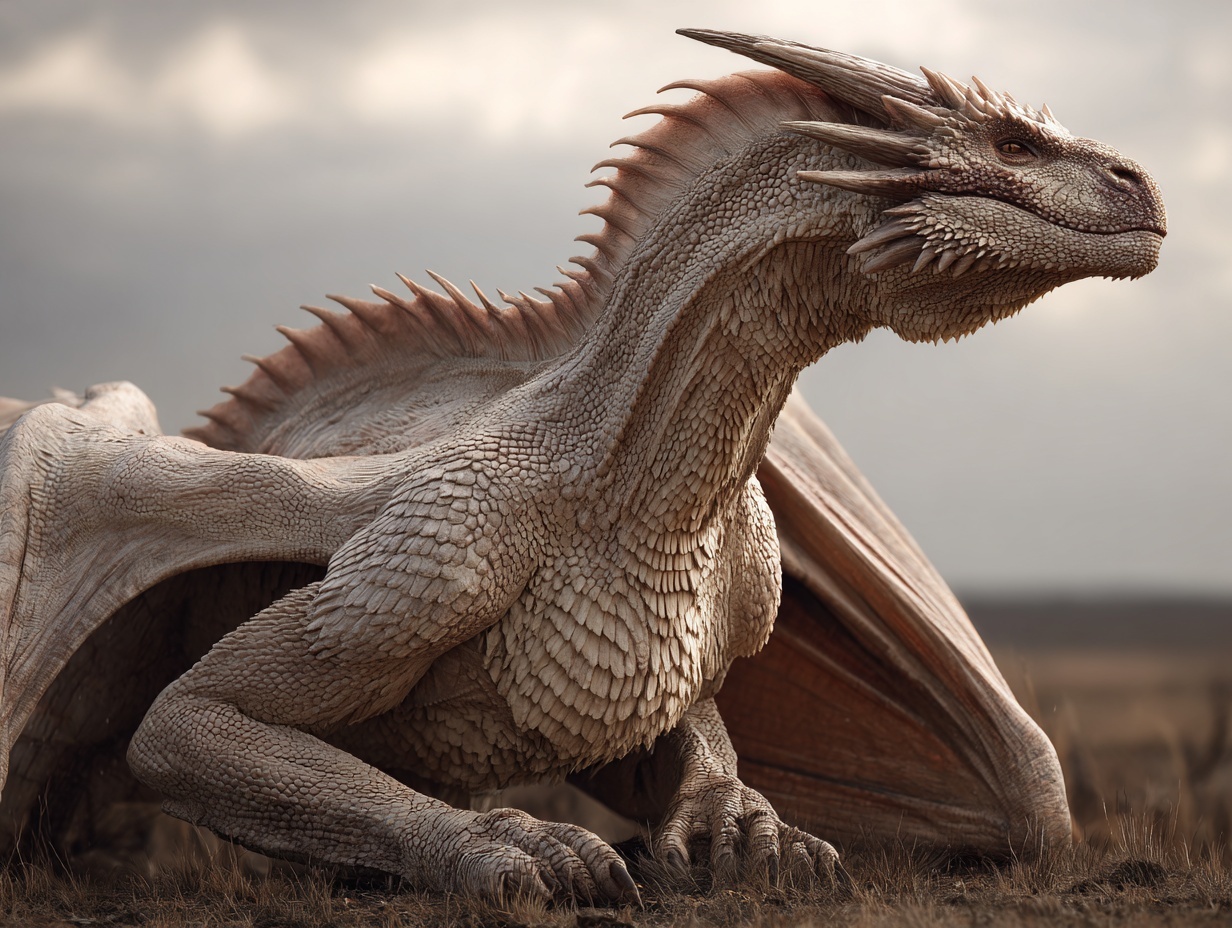
(Or, “Who Wins the Title of Best Tree-Eater?”)
Short version: Brachiosaurus was the taller giraffe-shaped high browser with front legs longer than its back legs. Diplodocus was the longer, lower, whip-tailed browser that fed at more heights. Neither was built to fight, so the honest answer to “who wins” is a draw. The rest of this page is the field notes behind that.
Fastest way to tell them apart: if the front legs are longer than the back legs and the shoulders sit higher than the hips, it is Brachiosaurus. If the neck runs long and low and the tail runs long and thin like a whip, it is Diplodocus.
Brachiosaurus vs Diplodocus at a Glance
| Feature | Brachiosaurus | Diplodocus |
|---|---|---|
| Neck Position | Angled upward, like a giraffe | Held more horizontally, like a noodle |
| Body Shape | Sloping upward | Long and low-slung |
| Feeding Style | High-browser (treetops) | Low to mid browser (vegetation at different heights) |
| Front Legs | Longer than back legs | Shorter than back legs |
| Tail | Short and thick | Long and whip-like |
| Size | Shorter but taller overall | Longer but lower to the ground |
“Max,” Sam said one afternoon, pointing at one of my sketches, “what’s the difference between Brachiosaurus and Diplodocus? They both have long necks, right?”
Jake, lounging on the couch with a bag of chips, chimed in. “One’s a giraffe, and the other’s a noodle. Easy.”
Sam blinked. “That… is not helpful.”
“It’s not totally wrong,” I said, flipping open my notebook. “But the giraffe and noodle comparison is just the beginning. These two long-necked giants were very different once you dig into the details.”
Brachiosaurus: The Giraffe of the Jurassic
Quick Facts
- Name Meaning: “Arm Lizard” (because its front legs were longer than its back legs)
- Size: Around 85 feet long and up to 40 feet tall
- Diet: Herbivore (preferred high-growing plants)
- Period: Late Jurassic (about 154–150 million years ago)
- Location: North America, Africa
What Made Brachiosaurus Special?
- Neck Position: Its neck was angled upward, like a giraffe’s, which may have helped it reach high vegetation.
- Body Shape: Its long front legs made its body slope upward, giving it that towering posture.
- Feeding Style: Brachiosaurus was a high-browser, meaning it focused on munching treetop vegetation like conifers and ginkgos.
Fun Fact
Brachiosaurus was originally thought to have lived in swamps because scientists believed its huge body couldn’t support its weight on land. Turns out, it was perfectly capable of strutting around dry ground like a boss.


Diplodocus: The Whip-Tailed Wonder
Quick Facts
- Name Meaning: “Double Beam” (referring to its unique tail bones)
- Size: Up to 90 feet long but only about 15 feet tall at the hips
- Diet: Herbivore (ate vegetation at different heights)
- Period: Late Jurassic (about 154–152 million years ago)
- Location: North America
What Made Diplodocus Special?
- Neck Position: Its neck could be held horizontally, but it could reach vegetation at different heights, according to the Natural History Museum.
- Body Shape: With its long, low-slung neck and tail, Diplodocus looked more like a prehistoric noodle than a towering giant.
- Feeding Style: Diplodocus could reach low vegetation and leaves from trees.
Fun Fact
Researchers have proposed that diplodocid tails could crack like whips, but a 2022 model of an apatosaurine tail did not reach supersonic speed. How Diplodocus used its tail remains uncertain.


Who Wins in a Fight?
Let’s be real: neither of these gentle giants was built for combat. But if they ever squared off, it’d probably look something like this:
- Diplodocus: Whips its tail like a bullwhip, keeping its opponent at a distance.
- Brachiosaurus: Uses its sheer height to intimidate and might stomp with its powerful legs.
Winner? Probably a tie—neither one was likely to pick a fight in the first place.
Key Differences Between Brachiosaurus and Diplodocus
| Feature | Brachiosaurus | Diplodocus |
|---|---|---|
| Neck Position | Angled upward, like a giraffe | Held more horizontally, like a noodle |
| Body Shape | Sloping upward | Long and low-slung |
| Feeding Style | High-browser (treetops) | Low to mid browser (vegetation at different heights) |
| Period | Late Jurassic (about 154 to 150 million years ago) | Late Jurassic (about 154 to 152 million years ago) |
| Front Legs | Longer than back legs | Shorter than back legs |
| Size | Shorter but taller overall | Longer but lower to the ground |
| Tail | Short and thick | Long and whip-like |
How to Tell Them Apart at a Glance
- If the shoulders look higher than the hips, you are probably looking at Brachiosaurus.
- If the neck runs long and low and the tail runs long and thin, you are looking at Diplodocus.
- If you only see the front, check the front legs: on Brachiosaurus they are noticeably longer than the back legs.
- If the animal looks short at the hips but stretched out at the tail like a bullwhip, that is Diplodocus again.
For the full field guide, see the Brachiosaurus facts page. The Diplodocus field notes go deeper on that whip tail.
The Sketchbook Debate: Jake and Sam Weigh In
“So basically,” Jake said, tapping his sketchbook, “Brachiosaurus is for tall food, and Diplodocus is for short food?”
“More or less,” I said.
“So why not team up? Diplodocus handles the buffet, and Brachiosaurus takes the treetops. Best of both worlds.”
Sam groaned. “Jake, it’s not Jurassic Park.”
“Honestly,” Sam said, flipping through my notes, “it’s interesting to imagine how they shared their environment. It’s like nature figured out how to make it all work.”
“Exactly,” I said. “Their exact feeding niches and interactions are still being studied.”
Field Notes From Max
- Biggest Surprise: Learning that researchers have studied whether diplodocid tails could crack like whips.
- Coolest Fact: Brachiosaurus may have been able to reach high vegetation.
- What’s Next: Maybe I’ll track down their fossilized footprints one day—imagine seeing those up close.
Sam thinks this guide is a great way to settle debates like “Which dinosaur had the cooler neck?” Jake just wants to know if Diplodocus could use its tail to joust with other dinos. If you want to keep comparing sauropods, the types of dinosaurs guide is the next stop.
If you like sauropod name debates, the Brontosaurus vs. Apatosaurus story is the next one to read.
As for me, I think both Brachiosaurus and Diplodocus deserve their spots as some of the coolest dinos ever. 🦖🦕✨
If you want a deeper dive into either species, the dinosaur names and pictures starter guide has both of them side by side with more long-necked cousins. For another parenting angle on the sauropod world, the Maiasaura parenting page is a fun change of pace from giant plant eaters.
Related Dino Facts
- Tyrannosaurus Rex Facts and Pictures for Kids and Dino Nerds
- Dinosaur Names and Pictures: A Big Starter Guide for Curious Kids and Dino Nerds
- Types of Dinosaurs (With the Famous Ones You Actually Search For)
- Maiasaura – The Dinosaur Known for Its Excellent Parenting Skills
- Homeward Pause – Recapping the Chaos and Plotting What’s Next