Day 9: Some dinosaurs make you want to run for your life. Others make you stop and stare in awe. Brachiosaurus definitely falls into the second category. Standing next to one feels like standing next to a skyscraper, except this skyscraper moves—and occasionally sneezes, as I found out the hard way.
I was tracking a Brachiosaurus herd through a misty valley, hoping to capture the perfect picture for my science fair project. What I got instead? A close encounter with a dinosaur that proved even herbivores can be… messy.
Quick Facts About Brachiosaurus
Here’s what makes this long-necked giant so incredible:
- Name Meaning: Brachiosaurus means “arm lizard,” named for its long front legs, which gave it an elevated stance.
- Time Period: Lived about 154–150 million years ago during the Late Jurassic.
- Size: Up to about 85 feet long and 40 feet tall, with estimates putting it in the tens of tons. That’s taller than a four-story building.
- Diet: Herbivore, feeding on treetops and other high-growing plants.
- Habitat: Lush floodplains and forests in what is now North America.
Brachiosaurus Pictures
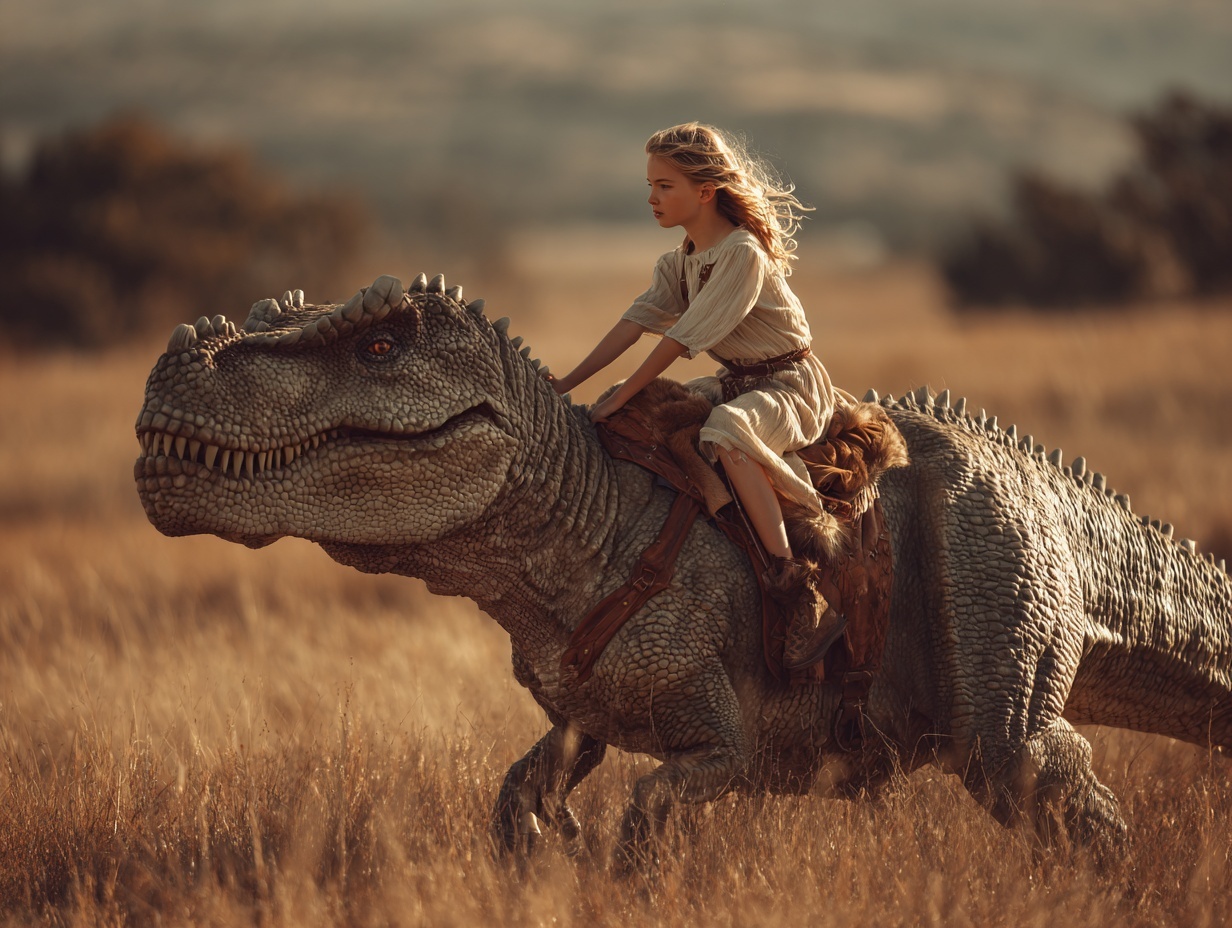
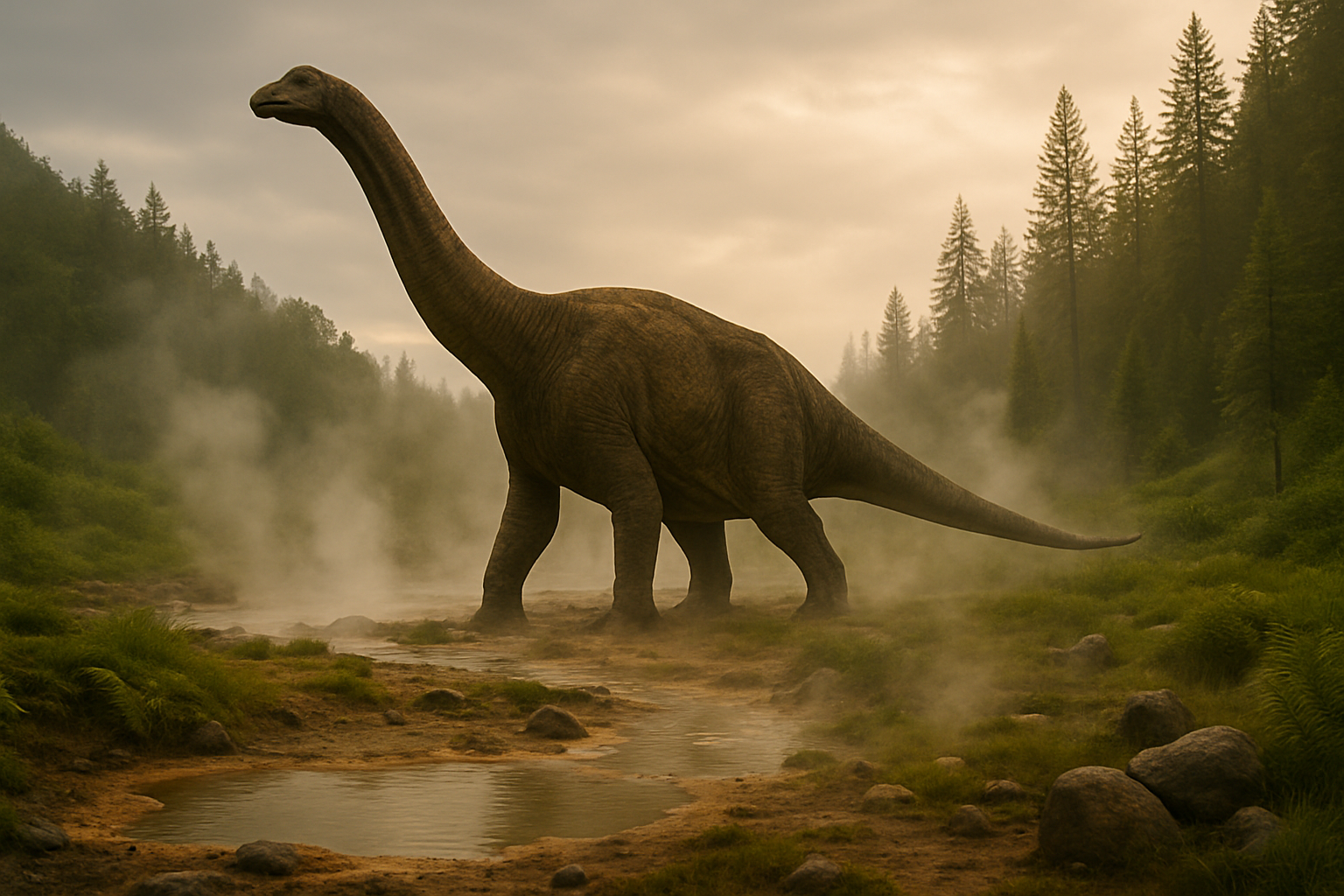
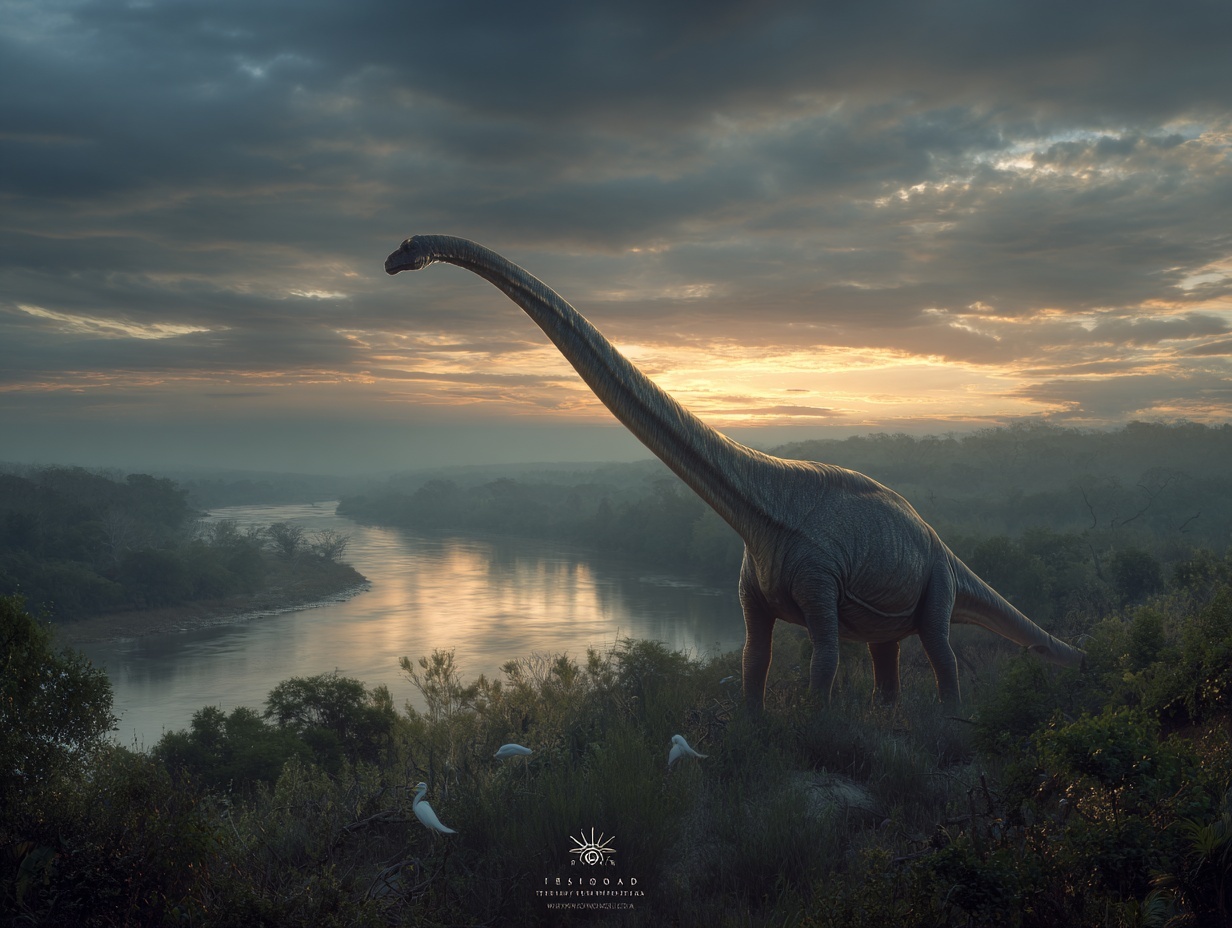
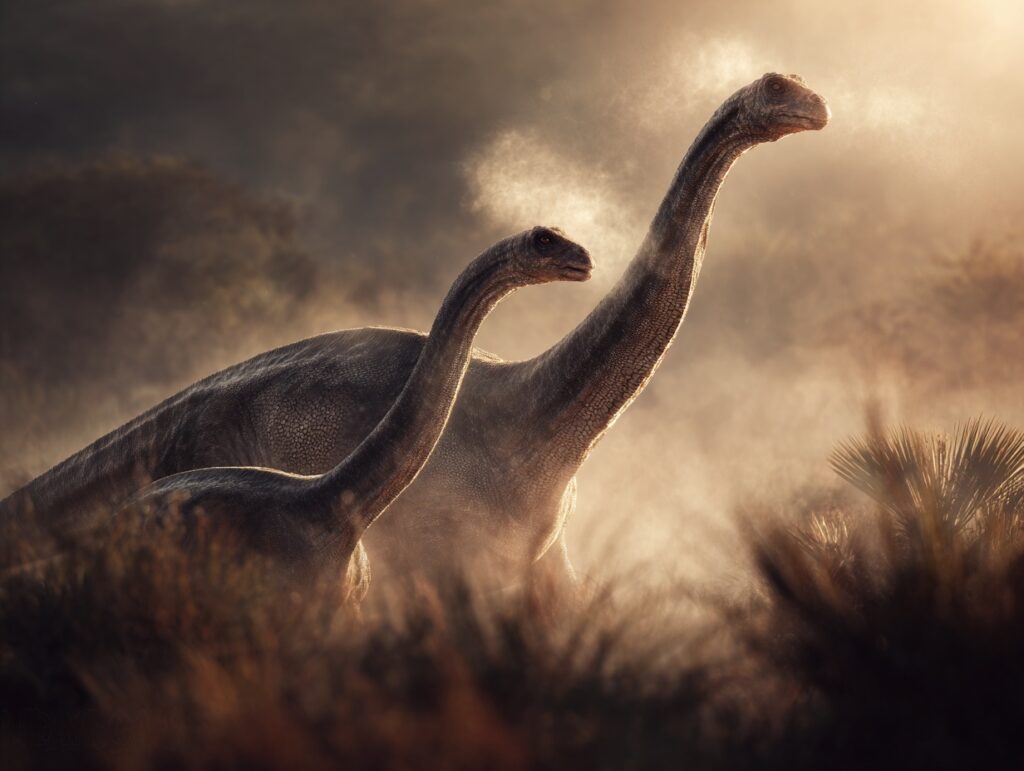
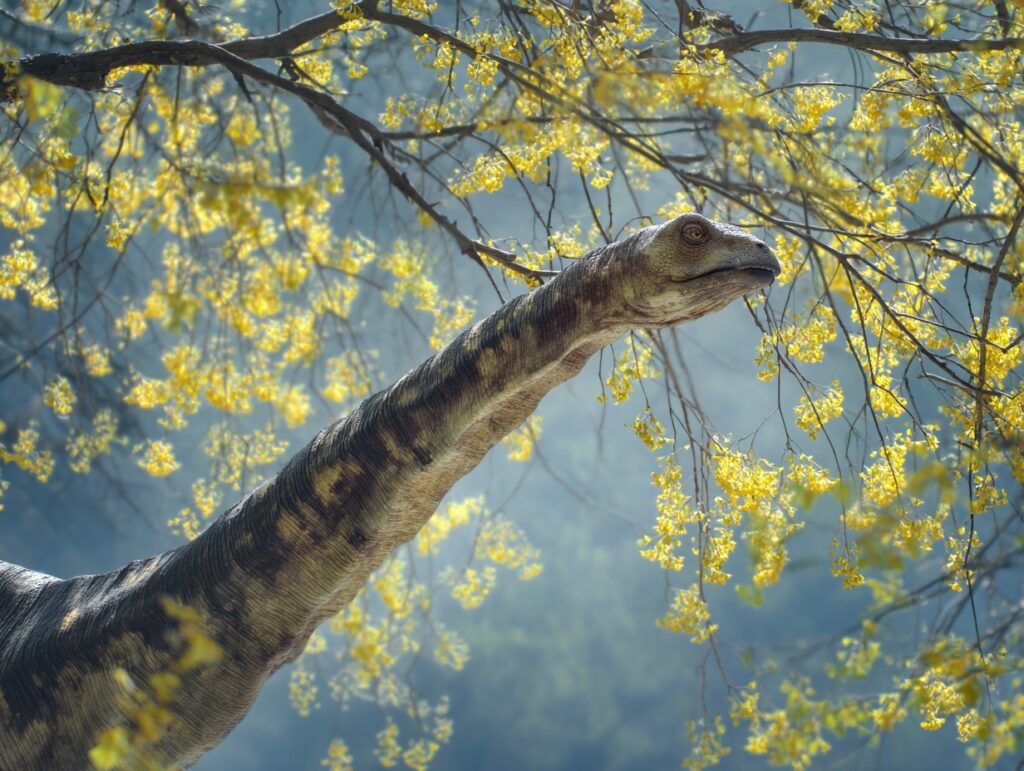
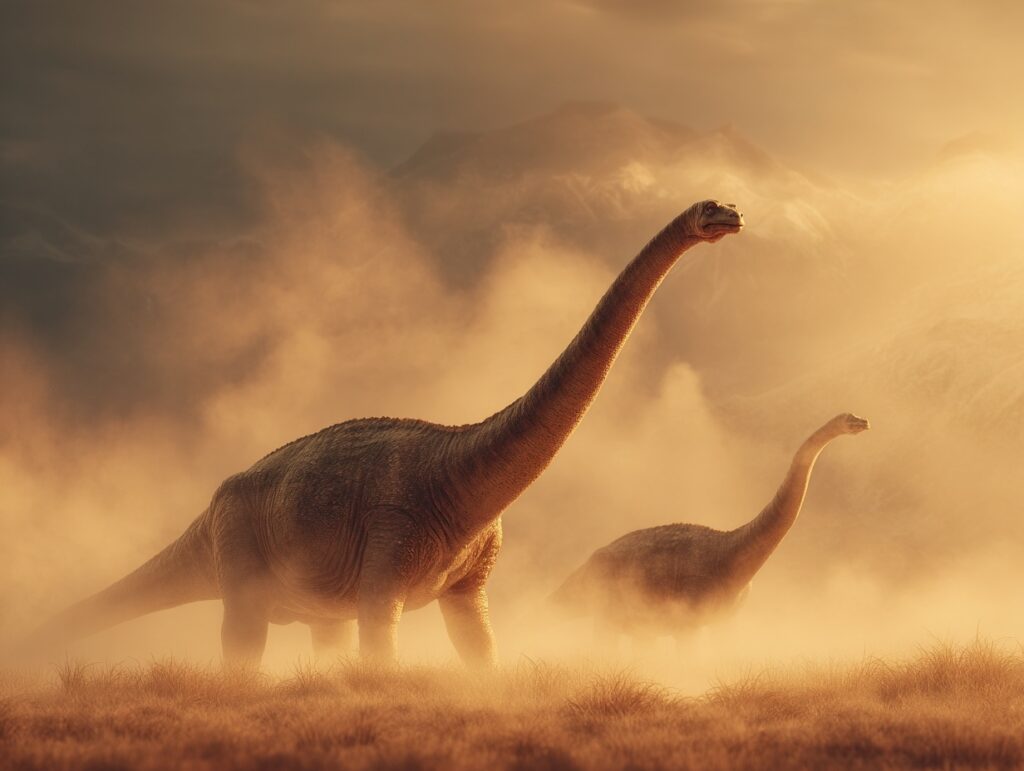
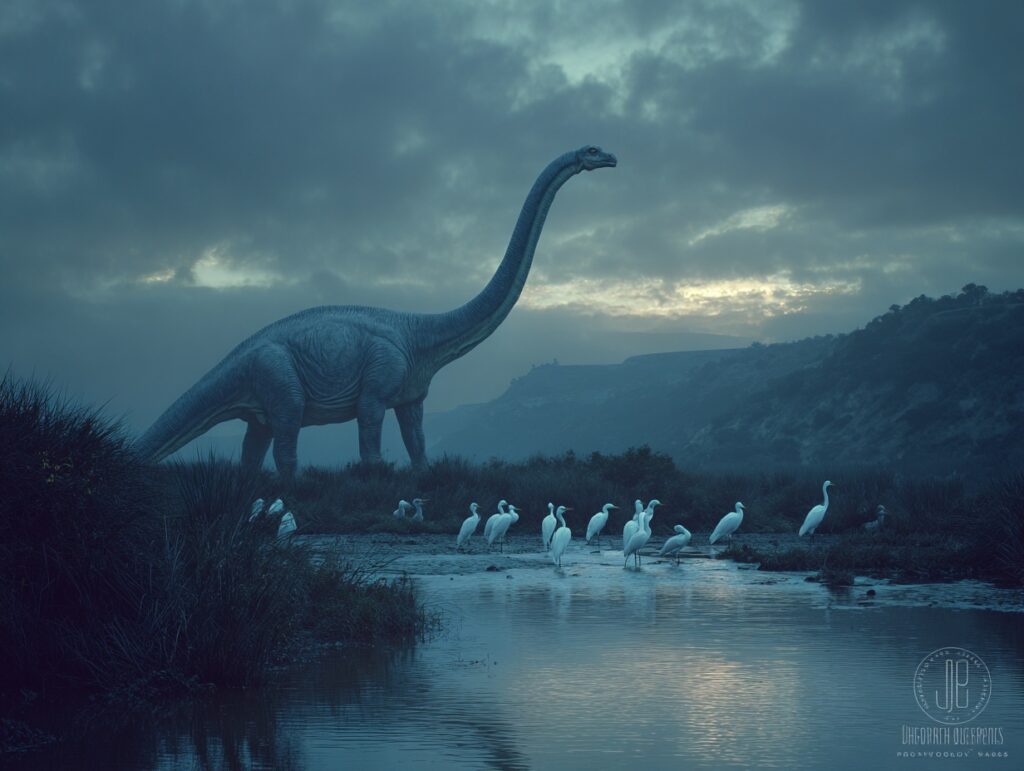
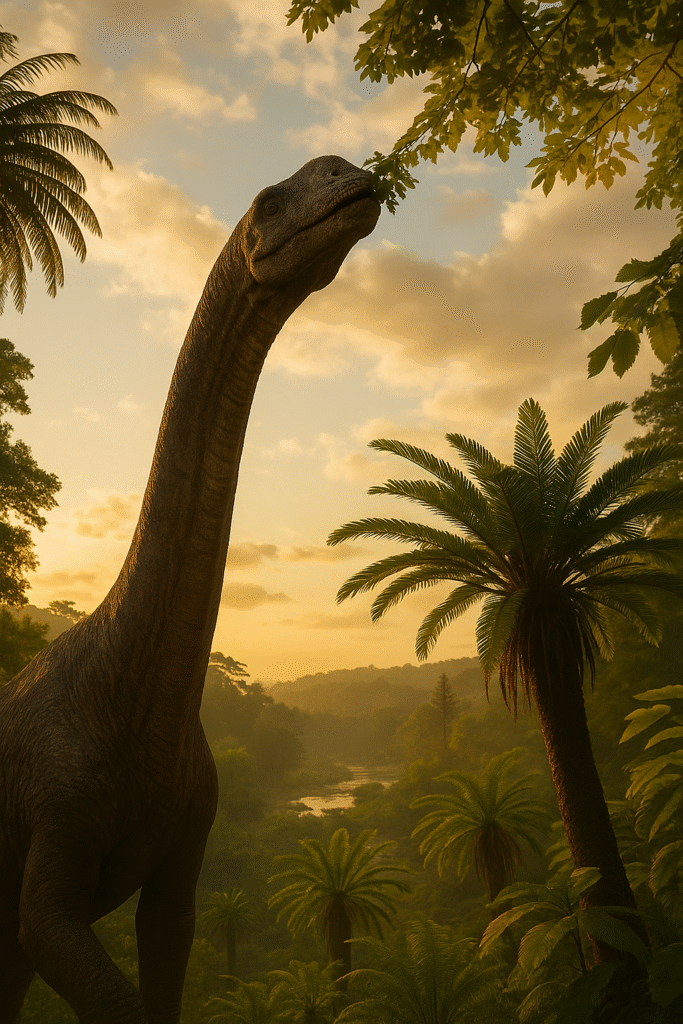
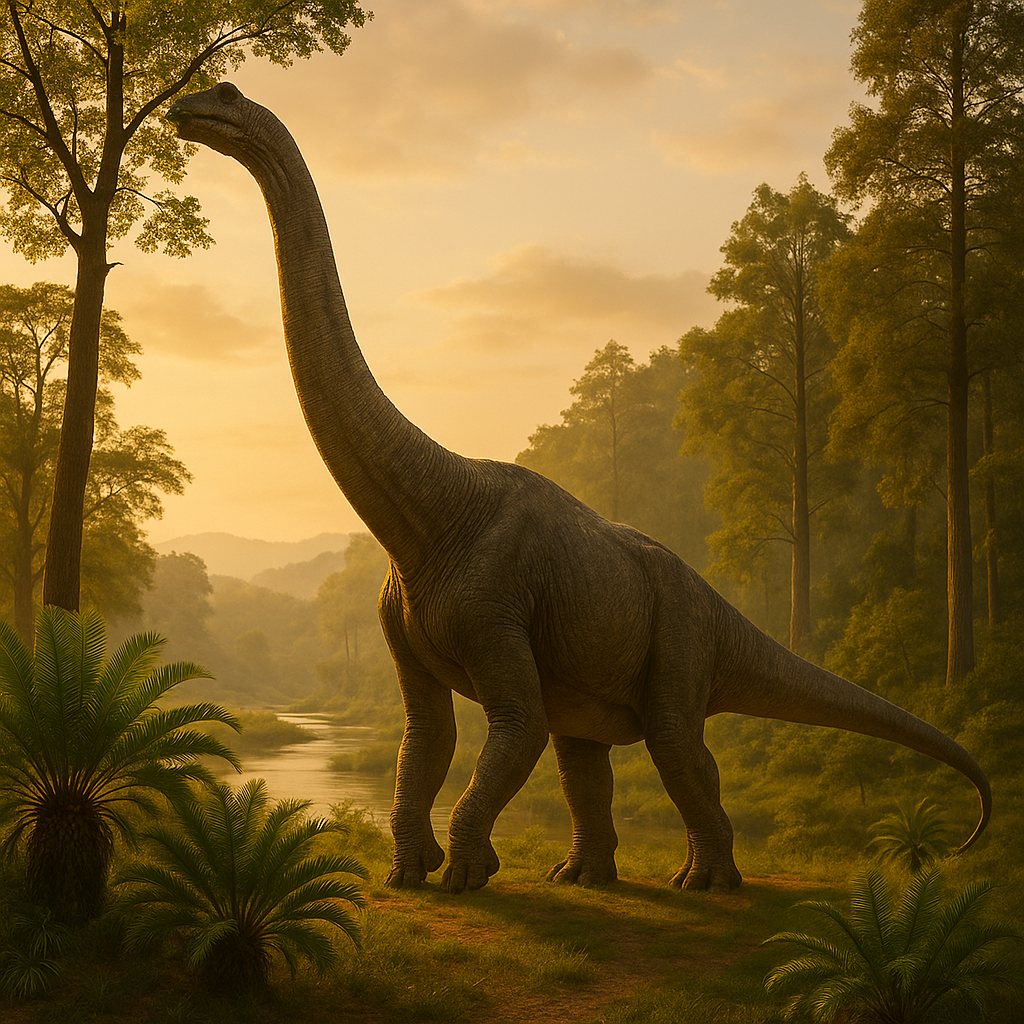
Here are the shots and sketches I brought back from the valley, so you can see the long neck and the sloping back for yourself.
Max’s Encounter: The Sneeze Heard ‘Round the Valley
The herd was grazing peacefully when I found them. Their long necks reached high into the trees, plucking leaves with jaws that could probably snap a small branch in half. I crouched near a rock, camera ready, marveling at how such massive creatures could move so gracefully.
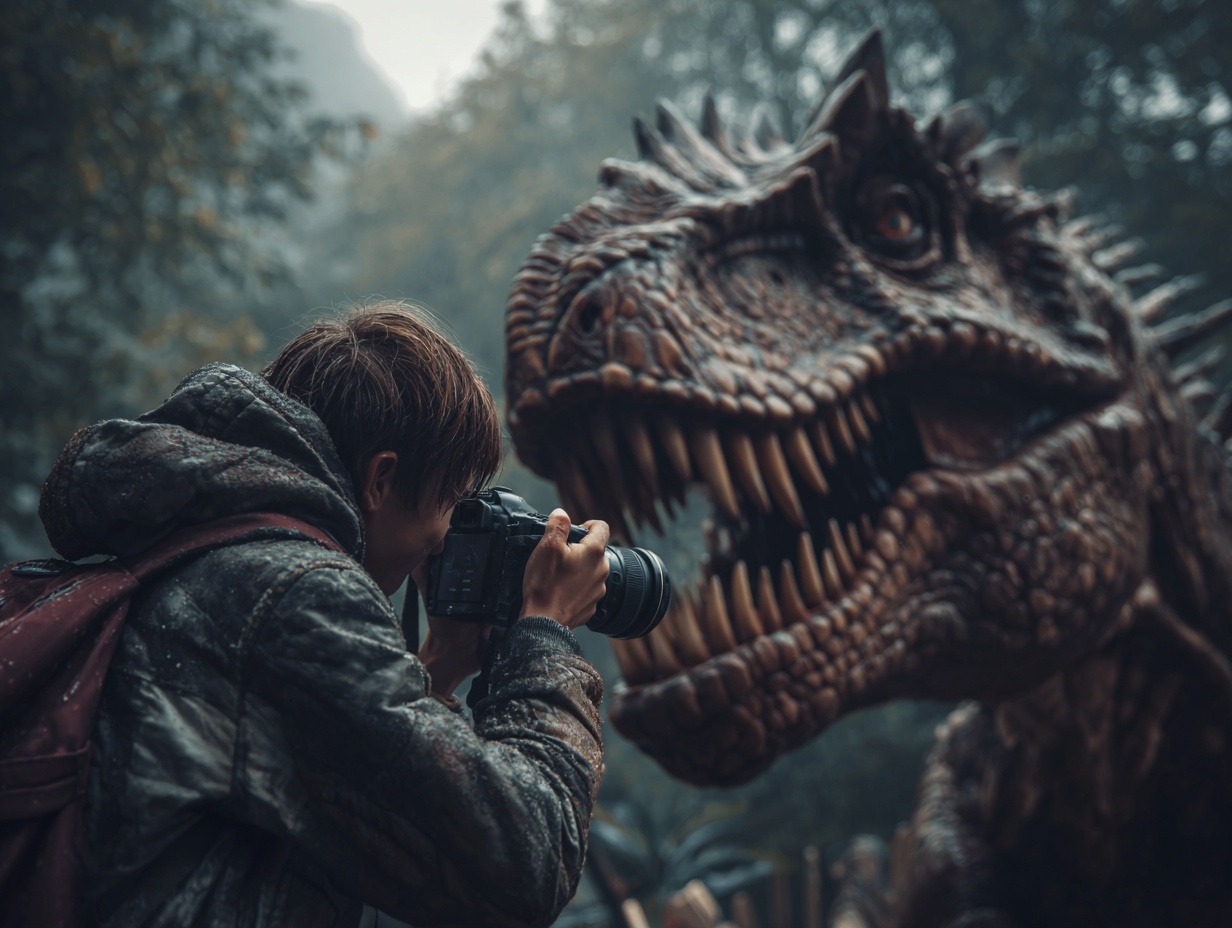
I was focused on the biggest one, a true giant, when I felt something warm and wet hit me like a water balloon. Confused, I looked up—just in time to see the Brachiosaurus tilt its head back and let out the loudest sneeze I’ve ever heard. My camera was soaked. My notebook was ruined. And I was left standing there, covered in prehistoric snot.
Sam laughed for ten straight minutes when I told her. “Add that to your field notes,” she said. “Max Vale: Time Traveler, Dinosaur Photographer, and First Human to Get Sneezed On by a Brachiosaurus.”
Why Was Brachiosaurus So Tall?
Brachiosaurus’s height wasn’t just for show. Its long neck allowed it to reach food that other herbivores couldn’t, like the tops of conifer trees. This gave it a huge advantage in areas where food was scarce.
Its front legs were longer than its back legs, which gave it a sloping posture. This unique body shape made it look even taller and helped it balance its enormous neck.
Compared with Diplodocus, Brachiosaurus stood taller at the shoulder but had a shorter tail. For the full head-to-tail comparison, see how Brachiosaurus stacks up against Diplodocus. The Diplodocus field guide covers the other famous long-neck. For more giants lined up side by side, try the dinosaur size comparison.
Did You Know?
- Older reconstructions imagined giant sauropods supported by water, but later evidence supports life on land. See the Natural History Museum discussion.
- How readily Brachiosaurus could rear up is uncertain and depends on the reconstruction used.
- Its exact daily food intake is uncertain; as a large herbivore it needed substantial plant food.
Brachiosaurus Questions Kids Ask
How tall was Brachiosaurus? About 40 feet, which is taller than a four-story building.
What did Brachiosaurus eat? Plants, mostly leaves from the tops of trees that other herbivores could not reach.
Was Brachiosaurus real? Yes. It lived in the Late Jurassic, about 154 to 150 million years ago, in what is now North America.
Is Brachiosaurus the same as Brontosaurus? No, they are different dinosaurs.
Real Brachiosaurus Pictures
The photo I managed to snap before my camera got slimed is… okay. You can see the Brachiosaurus’s neck towering over the trees, but let’s just say it’s not my best work. The sketch I made later, though? Sam says it’s good enough for a magazine cover.
Field Notes From Max
- Survival Tip: Always keep a safe distance from the business end of a Brachiosaurus, especially during allergy season.
- What I Learned: Brachiosaurus wasn’t just a gentle giant—it was a key player in its ecosystem, shaping the forests it lived in.
- Favorite Moment: Watching the herd move through the valley, their heads swaying like giant cranes.
The Bigger Picture
Brachiosaurus reminds us that size alone doesn’t make a dinosaur impressive—it’s how they used their size to adapt to their environment. Watching these giants graze felt like seeing evolution in action, and my photo might finally help people understand why sauropods ruled the Jurassic.
Of course, convincing Dr. Kline will be another story. He’s already dismissing my last few pictures as “coincidental shadows.” Sam, meanwhile, has suggested pitching my sneeze story to a comedy blog. “Dinosaurs: They’re Not as Glamorous as You Think,” she said. Classic Sam.
Next up: Day 10: Ankylosaurus – The Armored Tank of the Dinosaur World.
If you think dinosaurs with armor are slow and boring, wait until you hear about my run-in with an Ankylosaurus—and why its tail might be even more dangerous than its body. Stay tuned! 🦕🌳
More Dinosaur Field Guides
- Tyrannosaurus Rex Facts and Pictures for Kids and Dino Nerds
- Dinosaur Names and Pictures: A Big Starter Guide for Curious Kids and Dino Nerds
- Maiasaura – The Dinosaur Known for Its Excellent Parenting Skills
- Types of Dinosaurs (With the Famous Ones You Actually Search For)
- Types of Dinosaurs (Explained Like You’re on a Field Trip with Max, Jake & Sam)