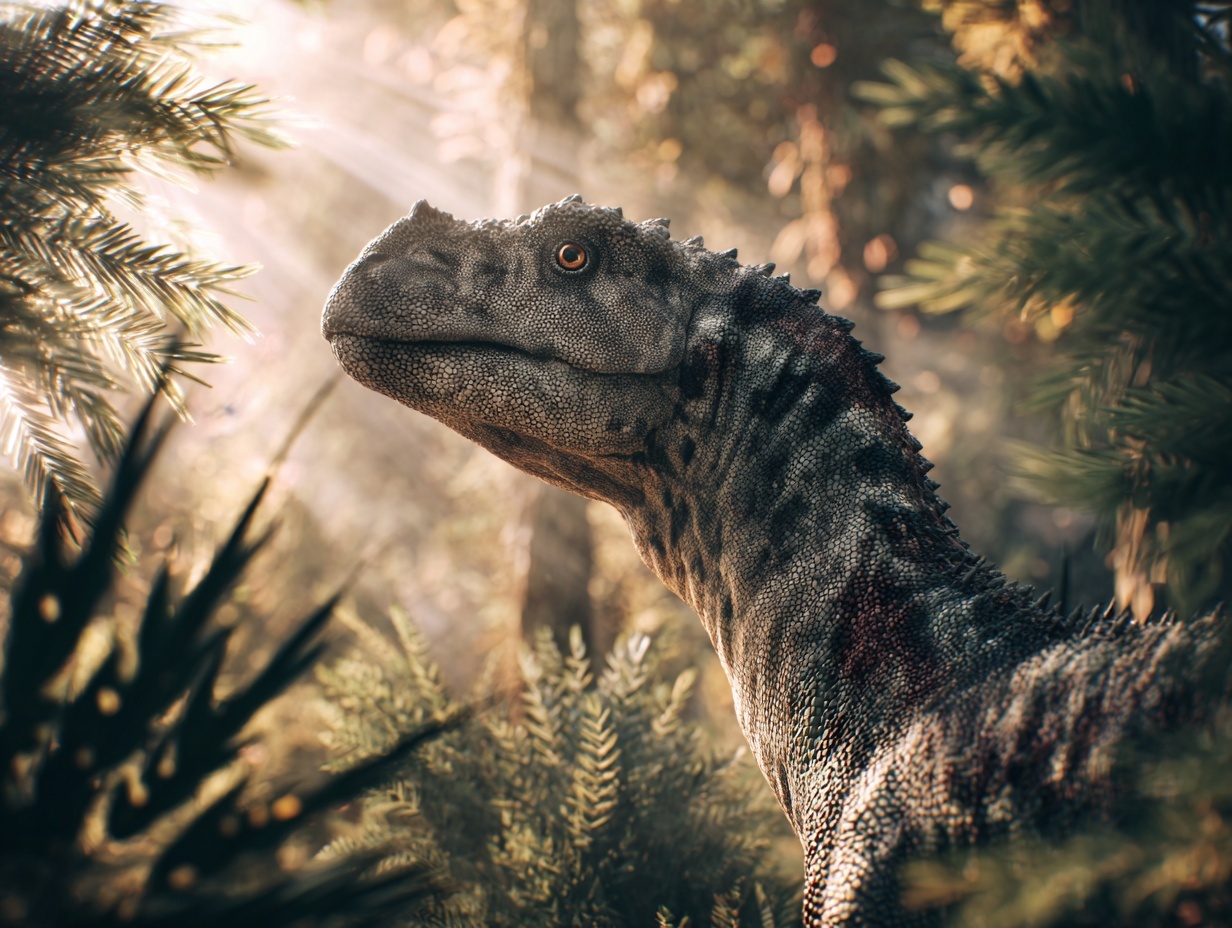
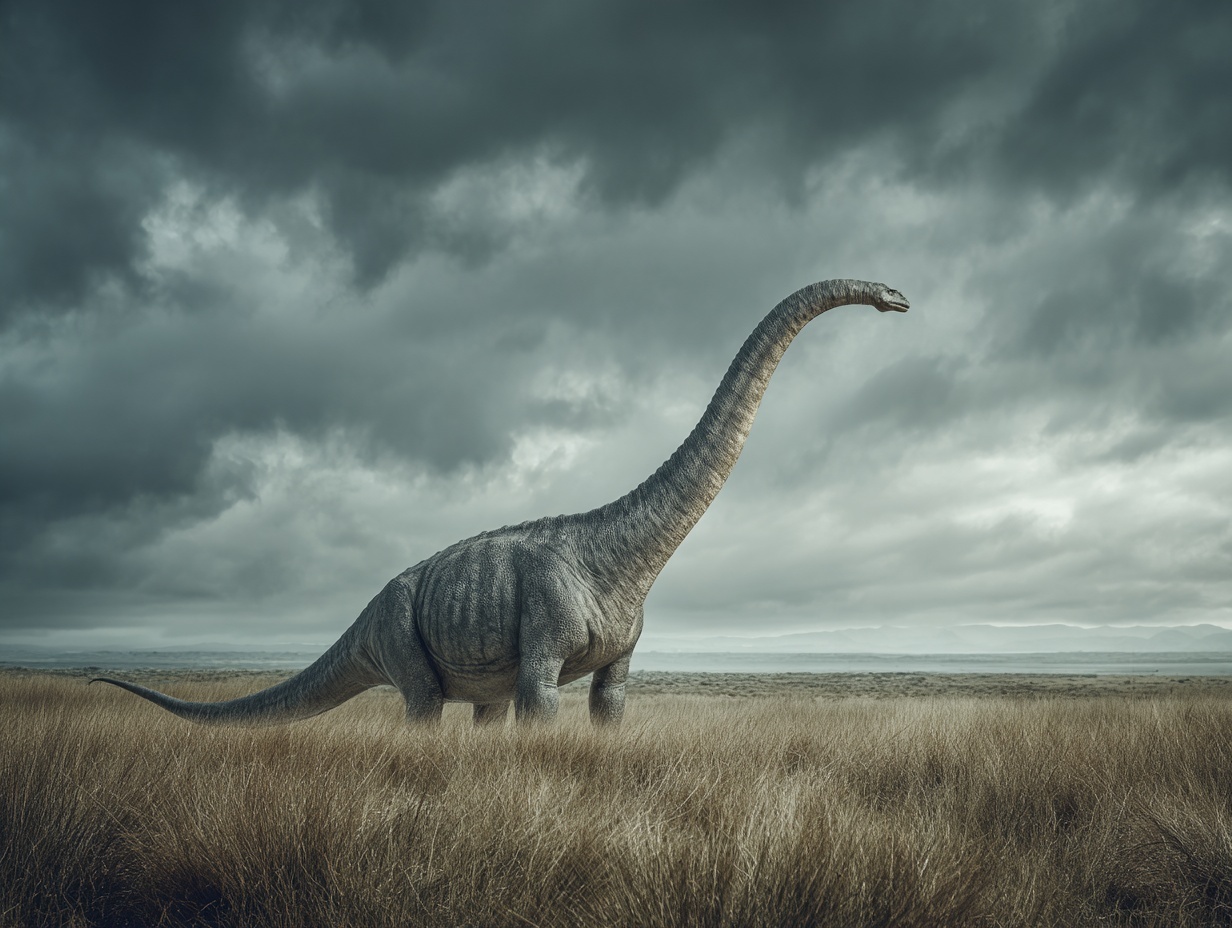
Day 13: When you think of long-necked dinosaurs, you probably picture gentle giants munching on treetops, right? That’s what I thought too—until I got a little too close to a Diplodocus tail and realized how wrong I was. Spoiler alert: when you’re the longest dinosaur around, your tail isn’t just for show—it’s a weapon.
Short version: Diplodocus was a plant-eating giant up to 90 feet long, and its whip-like tail may have been its best defense. Here are the facts, the pictures, and the story of the day that tail nearly got me.
Quick Facts About Diplodocus
Here’s what makes this dinosaur so iconic:
| Name Meaning | Diplodocus means “double beam,” named for the double row of bones in its tail. |
| Time Period | Lived around 154–152 million years ago during the Late Jurassic. |
| Size | Up to 90 feet long, with a tail that could stretch over 45 feet. |
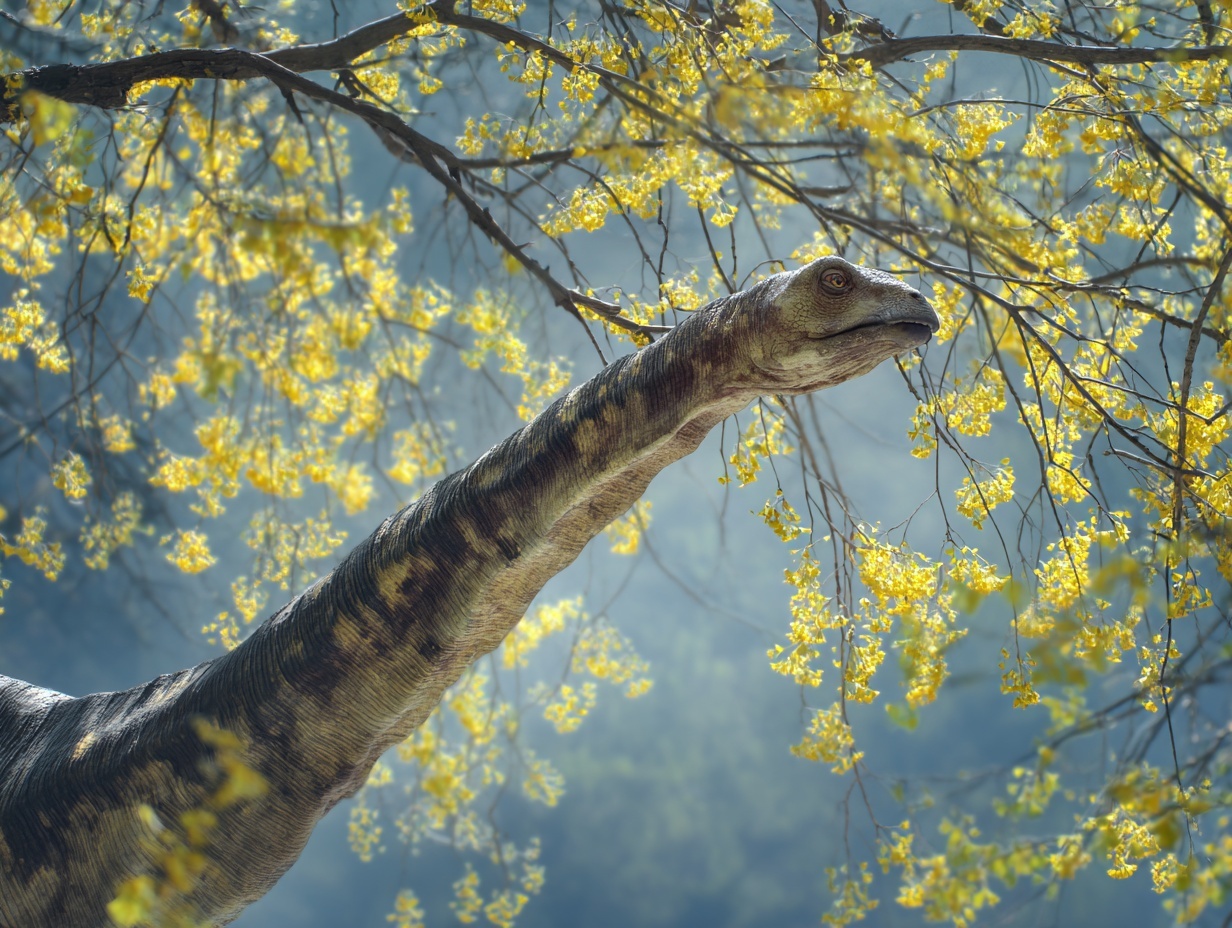
| Diet | Herbivore, feeding on low-growing plants and possibly using its long neck to reach treetops. |
| Habitat | Floodplains and forests in what is now North America. |
Max’s Encounter: Tail Trouble
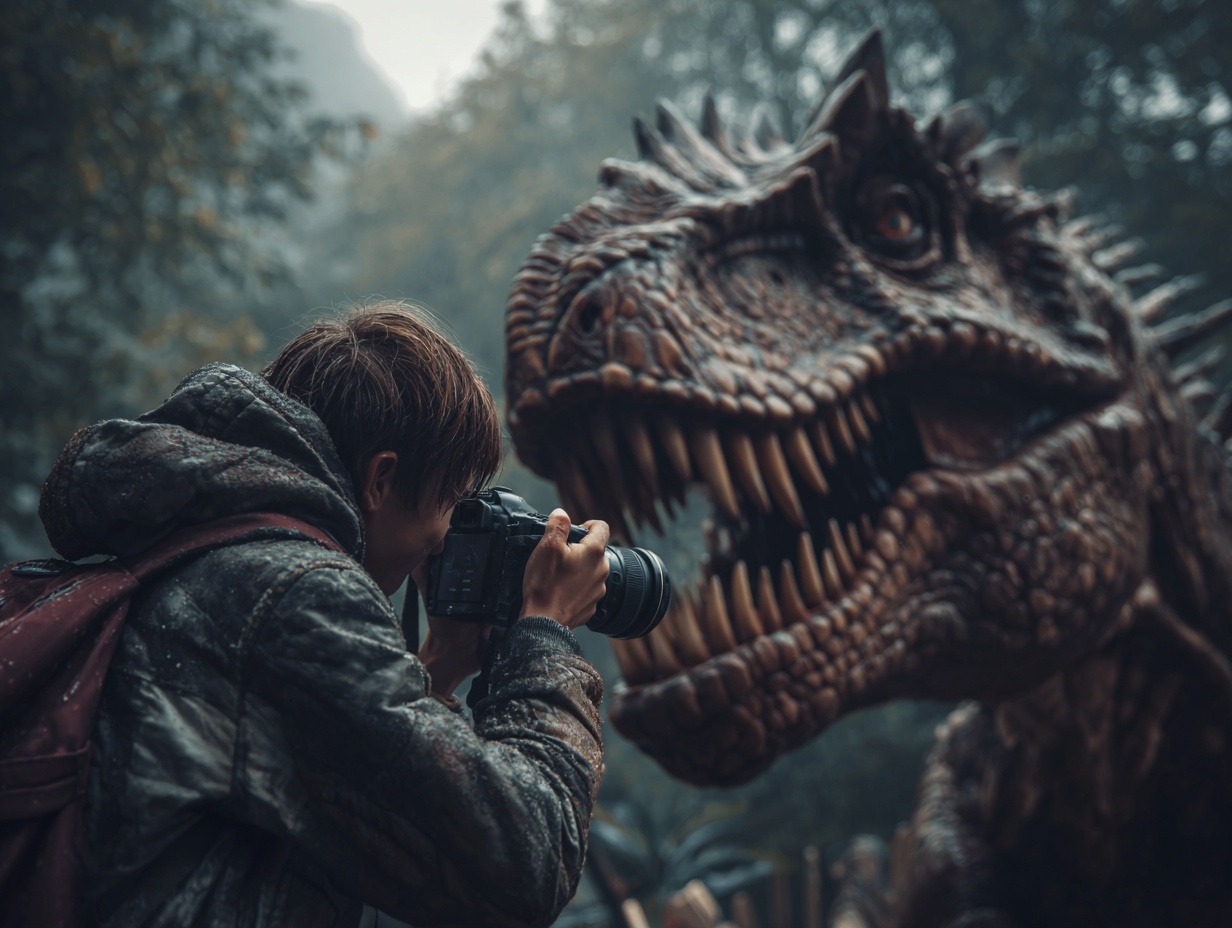
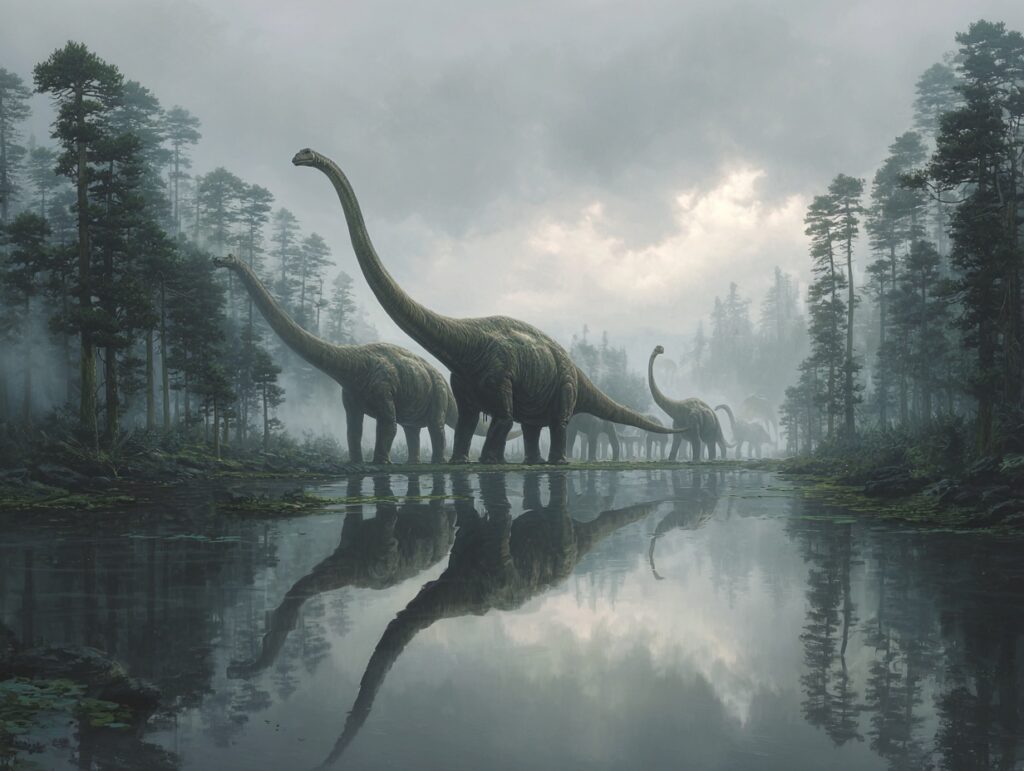
I was tracking a herd of sauropods through a dense forest, hoping to snap a photo of the infamous Diplodocus tail in action. At first, everything seemed calm. The herd moved slowly, their long necks swaying as they grazed. I crouched low, snapping a few shots of one Diplodocus near the edge of the group.
That’s when it happened. Another Diplodocus, standing a little too close to its neighbor, swished its tail with what I can only describe as casual brutality. The crack of the whip-like tail hitting a tree echoed through the forest, and I realized that if I’d been standing just a few feet closer, I’d have been the tree.
I scrambled backward, heart pounding, and decided to admire these giants from a safer distance. Fun fact: Diplodocus had a long, whip-like tail. A 2022 model of an apatosaurine diplodocid tail did not reach supersonic speed; how Diplodocus used its tail remains uncertain.
Why Did Diplodocus Have Such a Long Tail?
Balance, defense and communication are possible explanations. Exactly how Diplodocus used its tail remains uncertain.
- Defense
Diplodocus tails weren’t just for balance—they were powerful weapons. A single swing could deter predators like Allosaurus. - Communication
Some scientists believe sauropods used their tails to communicate, creating loud cracking sounds to signal danger or keep the herd together. - Stabilization
The tail helped balance Diplodocus’s long neck, keeping the dinosaur stable as it moved.
Did You Know?
- Diplodocus is one of the longest dinosaurs ever discovered, but it wasn’t the heaviest. Its long, slender build made it relatively lightweight for its size. For another long-necked dinosaur, see these Brachiosaurus facts.
- Its teeth were like pegs, perfect for stripping leaves off branches but not great for chewing. Diplodocus probably swallowed its food whole.
- Diplodocus had a long, whip-like tail, but how it used that tail remains uncertain.
Real Diplodocus Pictures
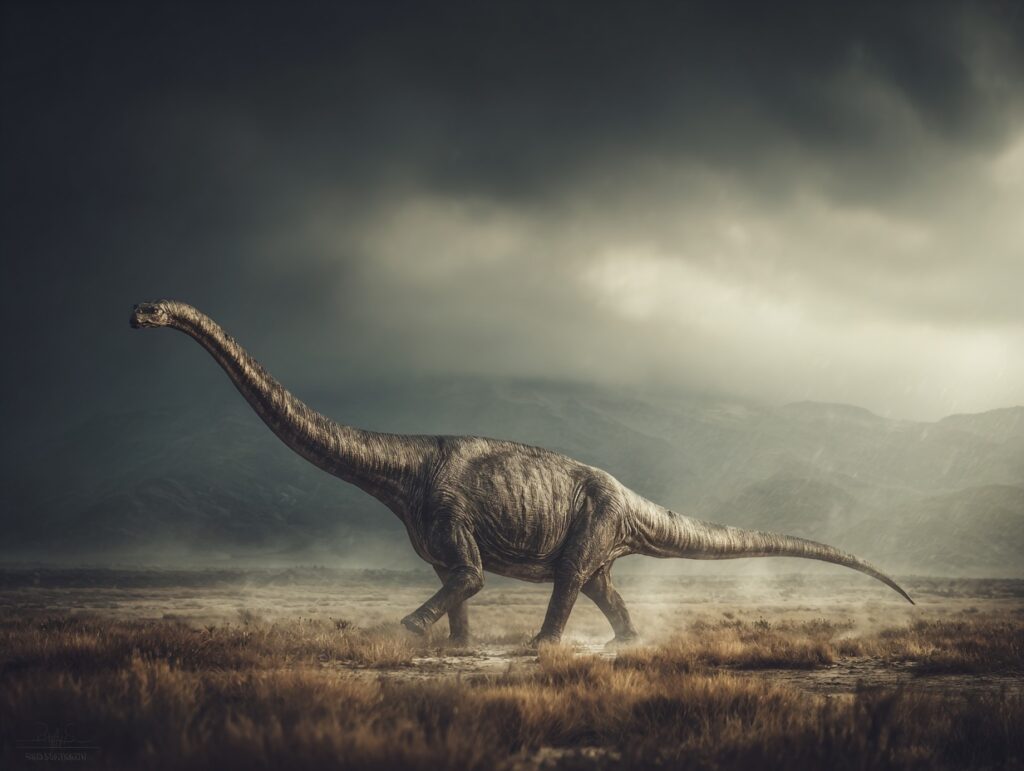
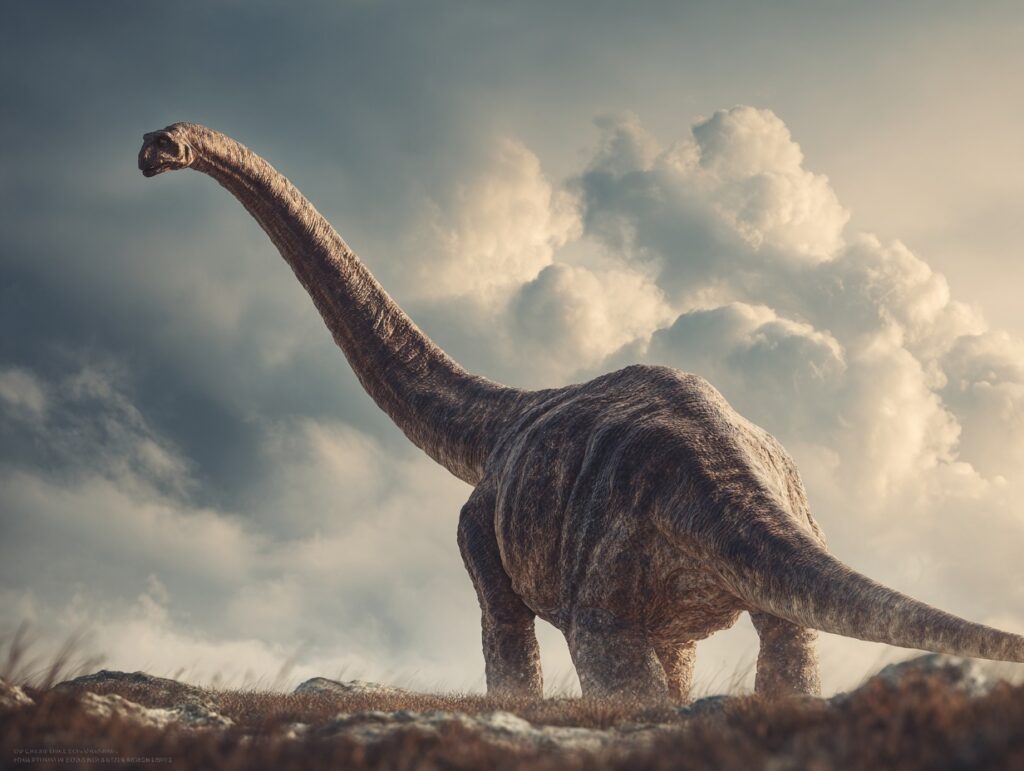
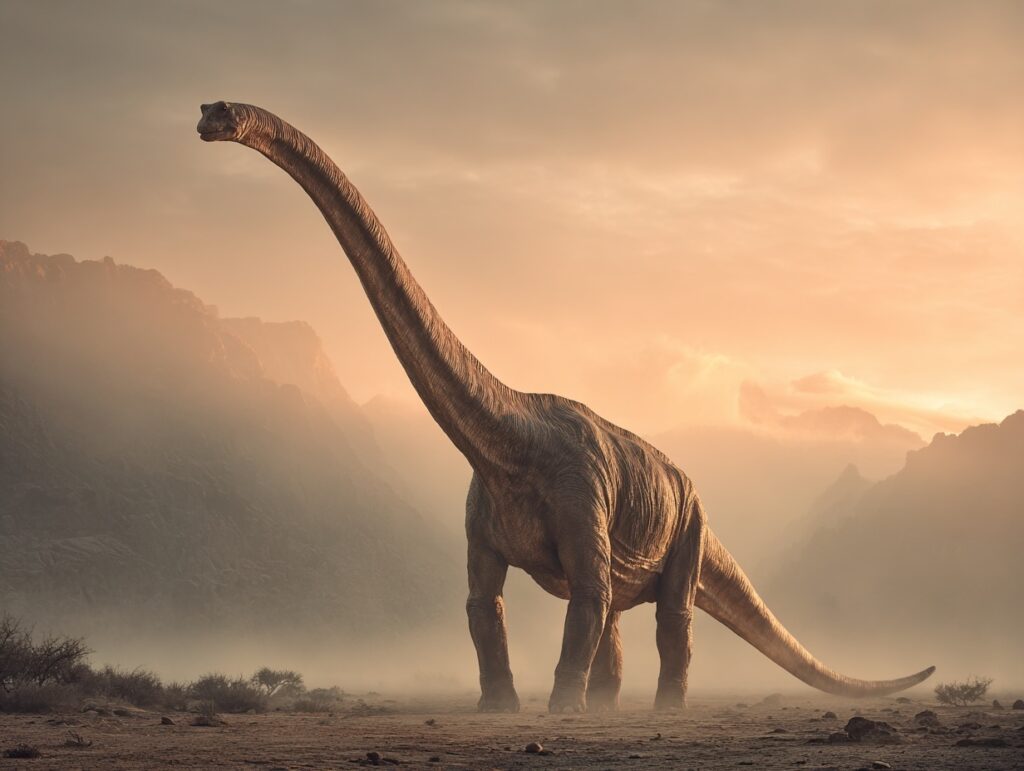
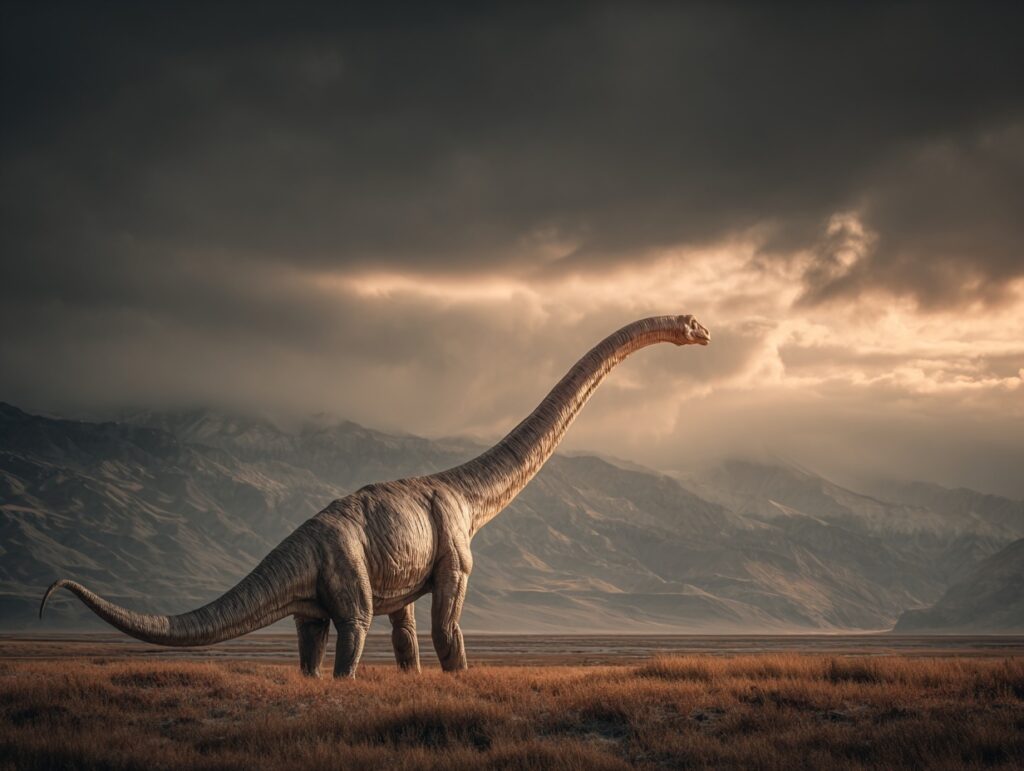
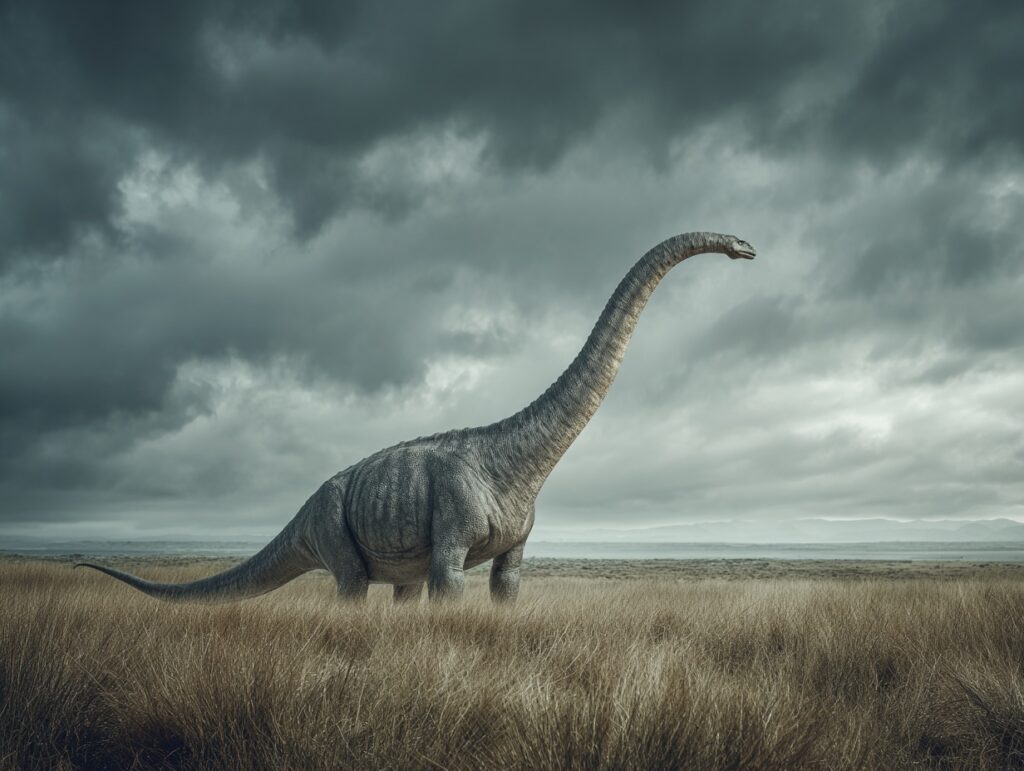
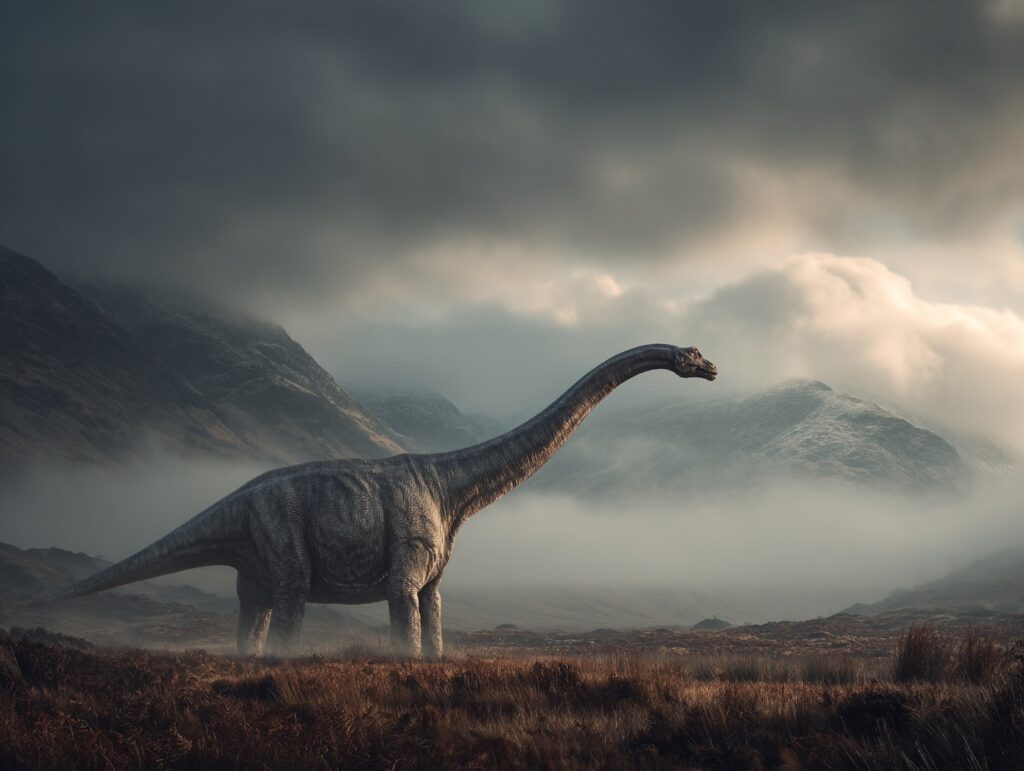
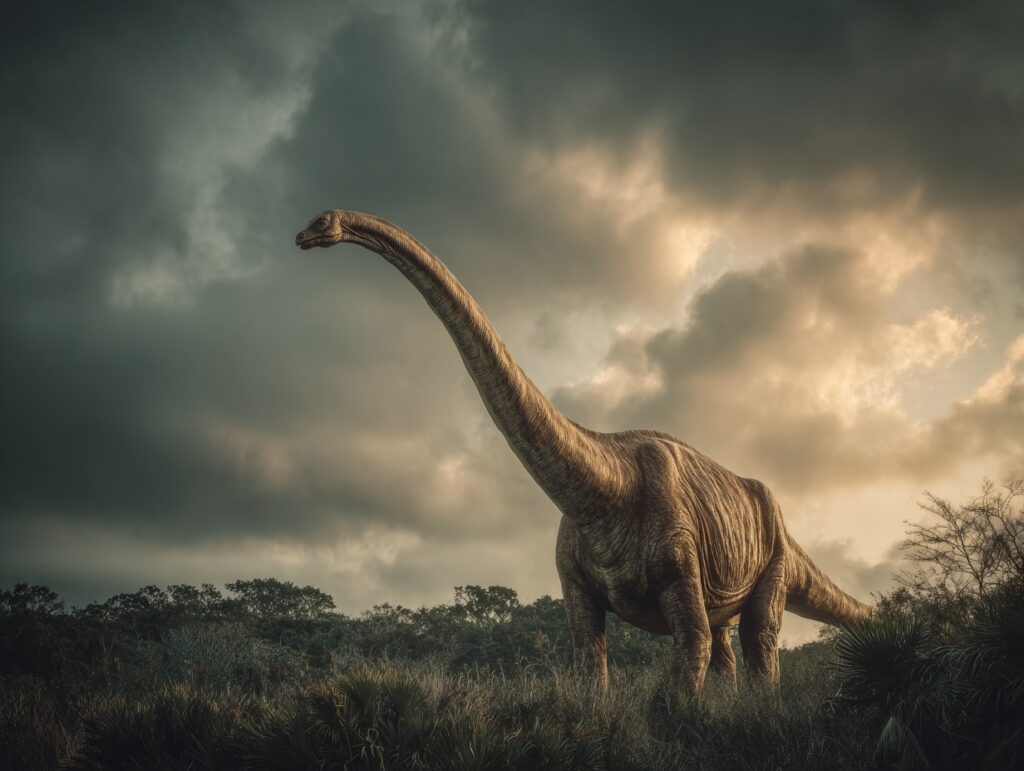
The photo I managed to get before the tail incident is one of my most dramatic yet. It shows the Diplodocus mid-step, its tail arched like a question mark behind it. Sam said it looks like it’s about to start moving to music. I told her the only music I heard was my heartbeat after that tail whip.
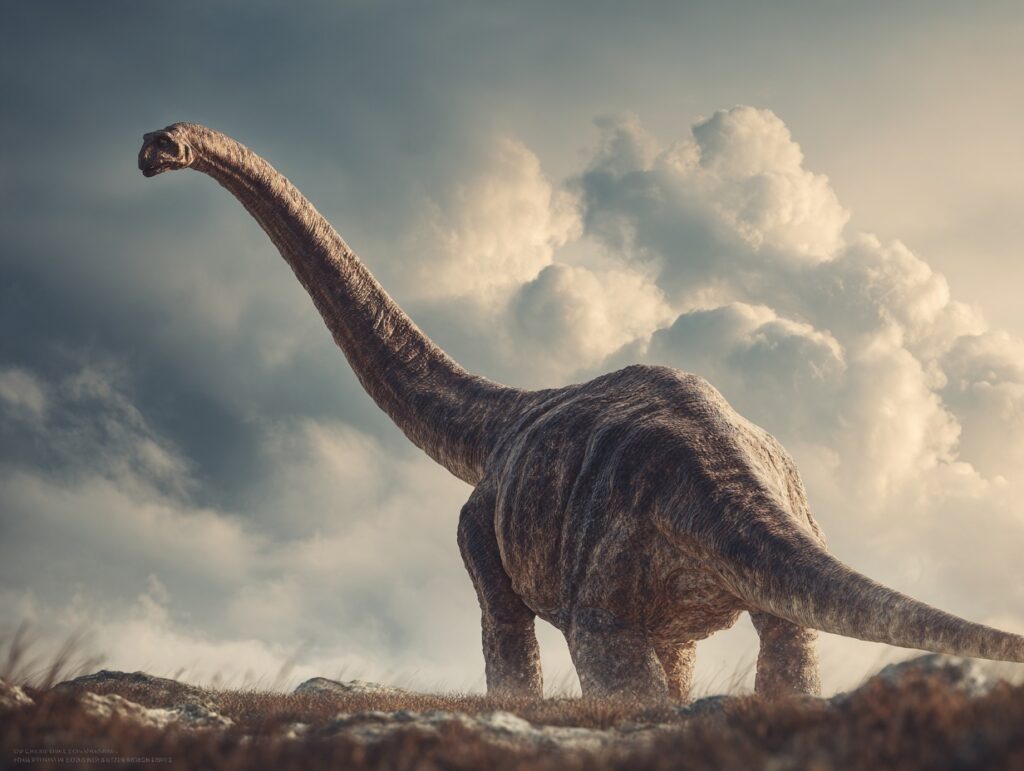
The gallery below contains Diplodocus illustrations.
Field Notes From Max
- Survival Tip: Don’t stand behind a Diplodocus. Their tails may look graceful, but they’re basically prehistoric wrecking balls. For another dinosaur with a memorable tail, see Stegosaurus facts, or read about a river predator’s fishing trip.
- What I Learned: Even gentle giants can be dangerous when they need to be.
- Favorite Moment: Watching a baby Diplodocus try to mimic the adults—it kept tripping over its own tail.
The Bigger Picture
Diplodocus isn’t just impressive because of its size—it’s a reminder that being big isn’t enough to survive. These dinosaurs evolved incredible adaptations to defend themselves and thrive in a world filled with predators.
Back home, scientists still argue about how sauropods used their tails. Were they weapons, tools, or just giant noisemakers? My photos might not settle the debate, but they’ll definitely add to it. Meanwhile, Sam’s been pestering me to turn my pictures into a photo book. “Giant Dinosaurs: Up Close and Personal,” she suggested. Honestly? Not a bad idea.
See how Diplodocus stacks up against Brachiosaurus in the long-neck debate.
Next up: Tyrannosaurus Rex facts and pictures. What happens when Hollywood gets dinosaurs wrong? Explore how accurate the Jurassic Park dinosaurs were.
More Dinosaur Field Guides
- Tyrannosaurus Rex Facts and Pictures for Kids and Dino Nerds
- Dinosaur Names and Pictures: A Big Starter Guide for Curious Kids and Dino Nerds
- Maiasaura – The Dinosaur Known for Its Excellent Parenting Skills
- Types of Dinosaurs (With the Famous Ones You Actually Search For)
- Types of Dinosaurs (Explained Like You’re on a Field Trip with Max, Jake & Sam)