Day 17: Most dinosaurs either tower over you or terrify you with claws and teeth. But Archaeopteryx? It’s smaller, faster, and sneakier—more like an oversized prehistoric crow with an attitude. And unlike some dinosaurs that bumble through the trees, this one can glide, hop, and climb like it’s laughing at gravity.
Story note: Max’s encounter and photographs are imagined; the factual notes draw on fossil research.
When I set out to find Archaeopteryx, I thought it’d be a quick, easy mission. Just a bird with teeth, right? Turns out, chasing something with feathers and claws is harder than it sounds.
Quick Facts About Archaeopteryx
Here’s what makes this early bird-like dinosaur so iconic:
- Name Meaning: Archaeopteryx means “ancient wing.”
- Time Period: Lived around 150 million years ago during the Late Jurassic.
- Size: About 0.5 metres long, according to the Natural History Museum.
- Diet: Carnivore, feeding on small reptiles, insects, and possibly fish.
- Habitat: Warm, tropical islands in what is now Germany.
Max’s Encounter: Feathered Frenzy
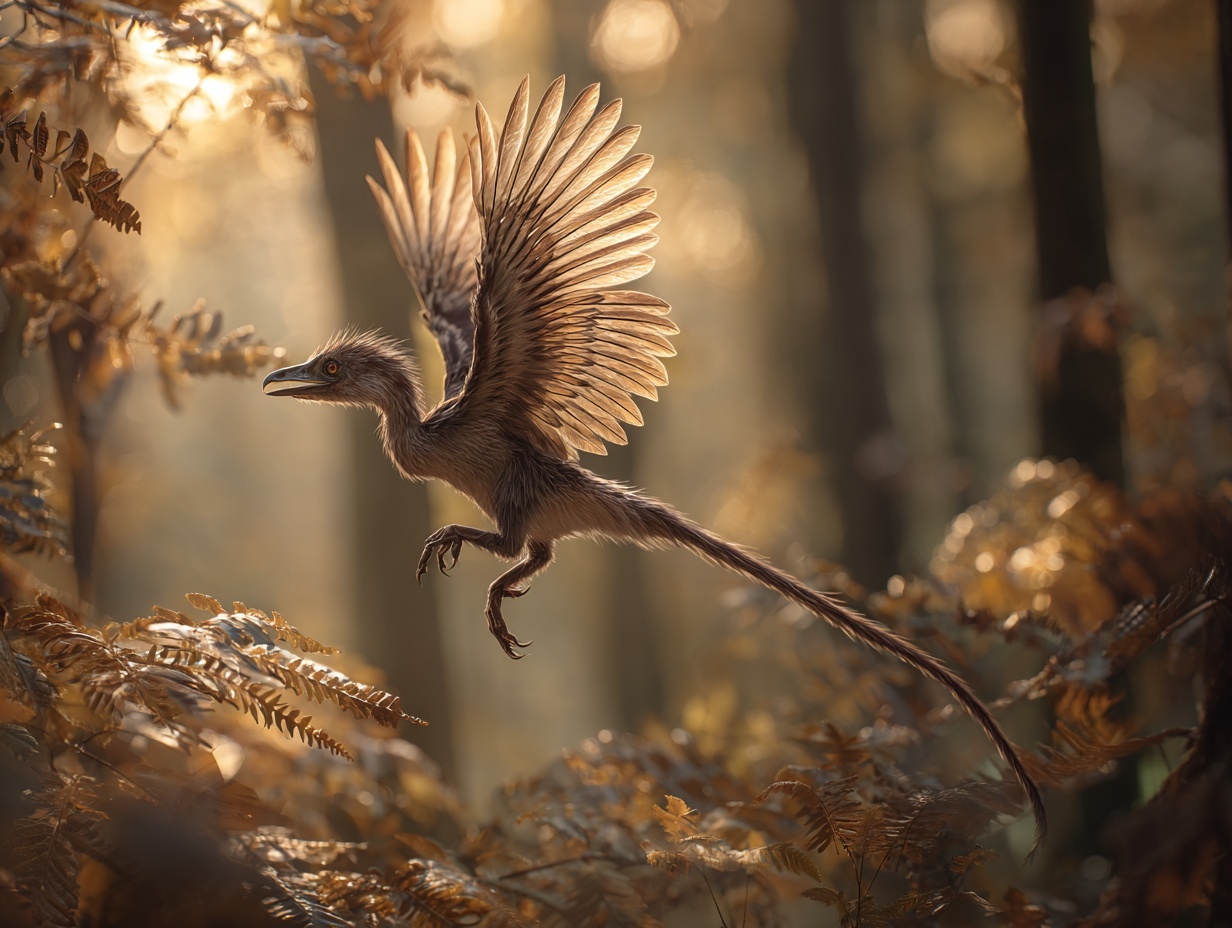
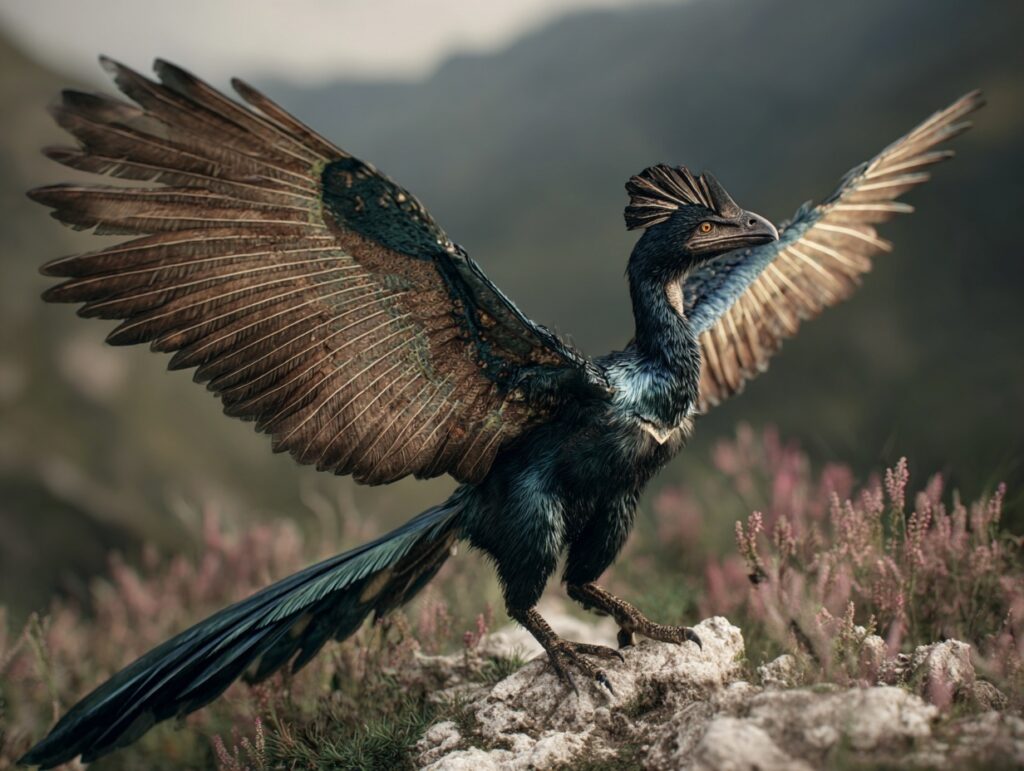
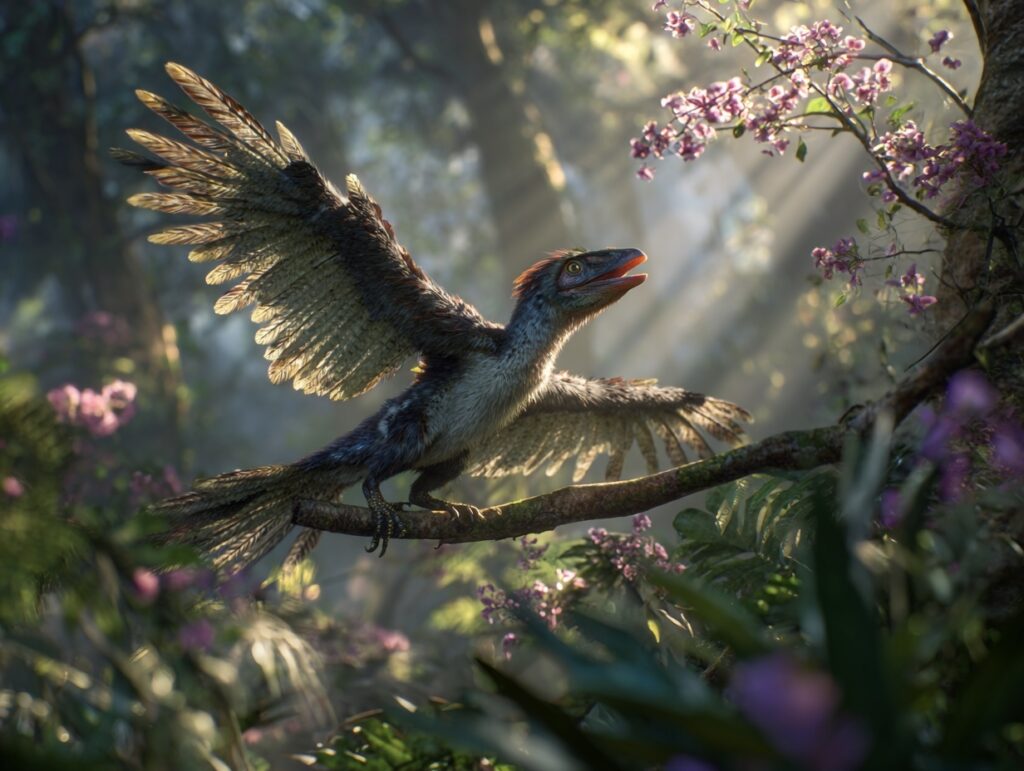
I spotted my first Archaeopteryx perched on a low branch in the forest, its feathers ruffling in the wind. It looked like a bird at first—until I noticed the claws on its wings and the sharp teeth lining its beak.
I slowly raised my camera, trying not to startle it, but Archaeopteryx isn’t exactly camera-shy—it’s camera-averse. The second it saw me, it let out a sharp screech and took off, gliding through the trees with an elegance I wasn’t ready for.
I spent the next hour scrambling through the forest, trying to keep up. Archaeopteryx didn’t just fly; it climbed, hopped, and glided with the kind of agility that made me feel like a clumsy, prehistoric mammal. Eventually, it landed on a branch near a clearing, and I managed to snap a picture before it disappeared into the canopy.
What Makes Archaeopteryx Special?
- Feathers and Flight
Archaeopteryx had feathers like modern birds. A 2018 wing-bone study found evidence consistent with powered flight, though its precise flight style remains debated. - Dino Features
Archaeopteryx combined feathers with a long bony tail, clawed fingers and teeth; birds themselves are dinosaurs. - Evolutionary Link
Archaeopteryx is considered a transitional species, showing how dinosaurs began evolving into modern birds.
Did You Know?
- Archaeopteryx fossils are some of the most well-preserved ever found, with imprints of its feathers clearly visible.
- It had asymmetrical feathers, which are a key feature of flight in modern birds.
- Its fossils preserve anatomical clues, but they do not establish particular problem-solving abilities.
Imagining Archaeopteryx Pictures
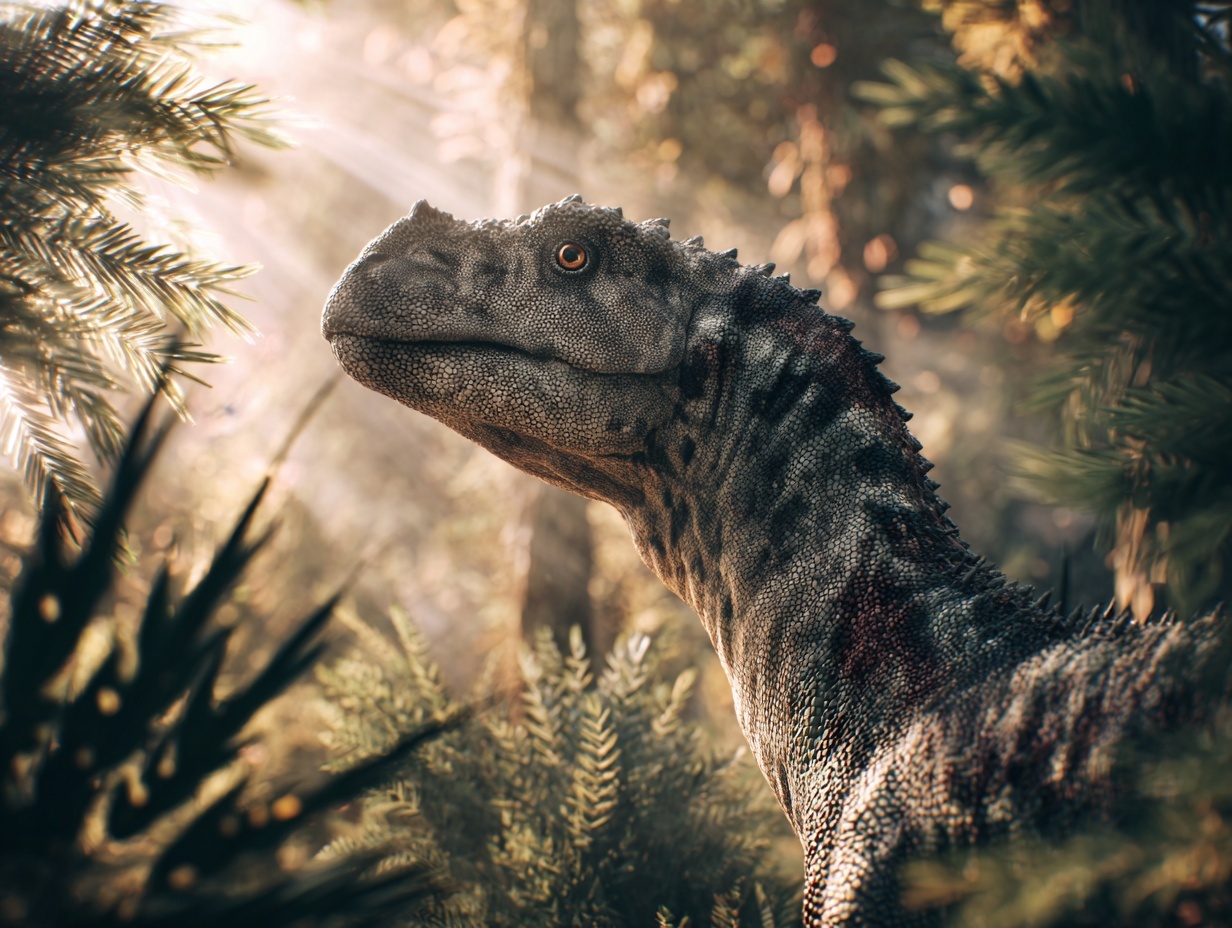
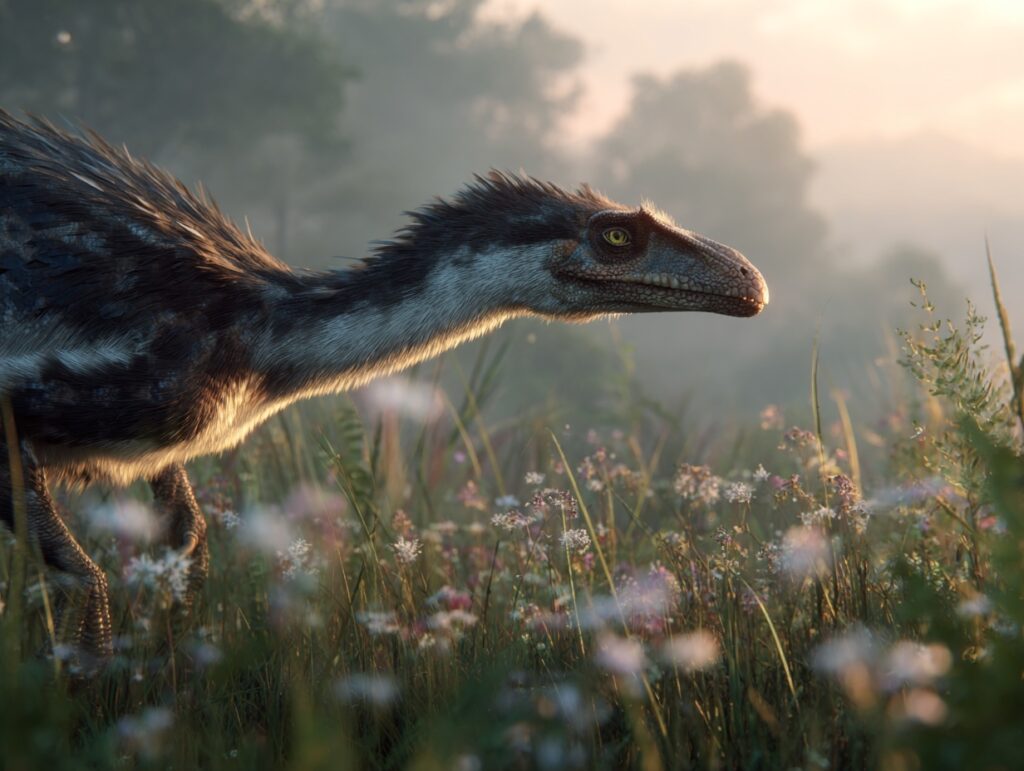
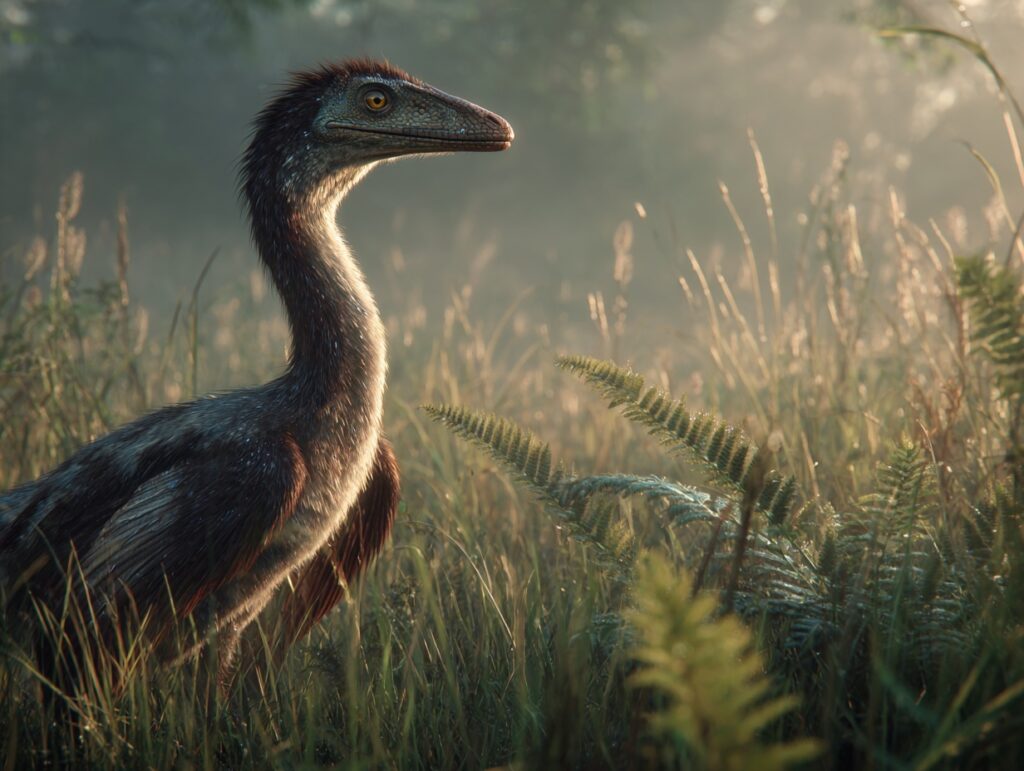
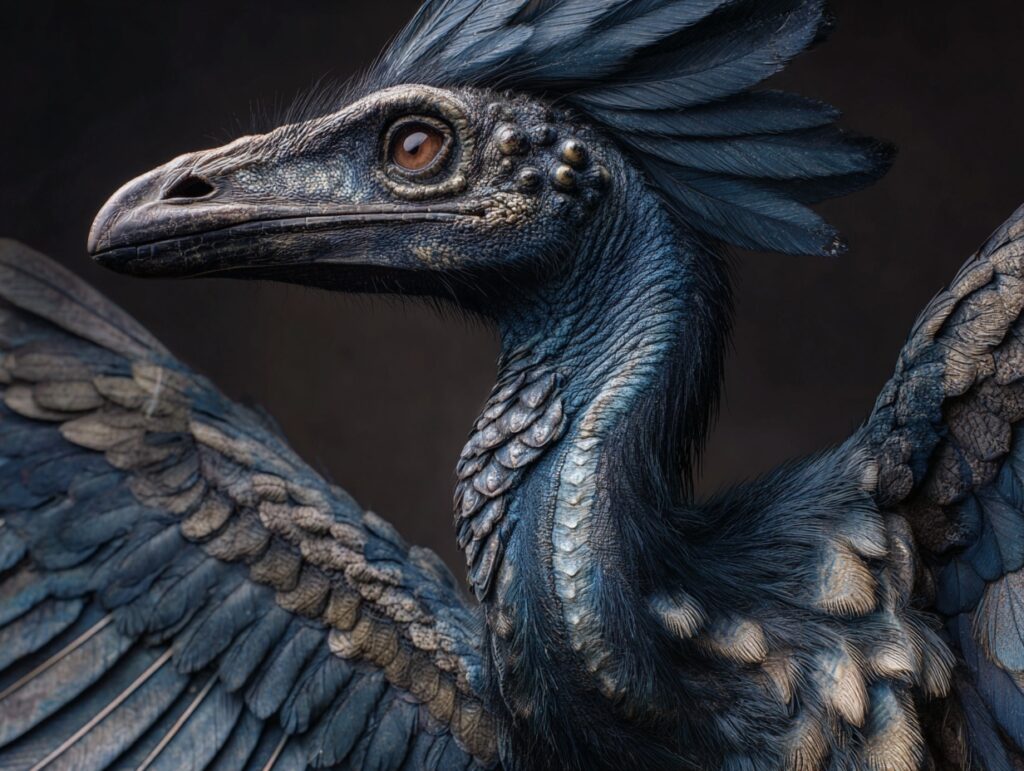
The photo I managed to get shows the Archaeopteryx perched on a branch, its feathers catching the light in a way that almost makes it look holographic. Sam called it “artistic,” but I think it’s more proof that dinosaurs were way cooler than we give them credit for.
Field Notes From Max
- Survival Tip: If you’re chasing an Archaeopteryx, don’t bother running—it’s faster, smarter, and better at climbing than you’ll ever be.
- What I Learned: Archaeopteryx offers a glimpse into the early evolution of birds and flight.
- Favorite Moment: Watching it hop from branch to branch with a kind of smug confidence.
The Bigger Picture
Archaeopteryx is more than just a dinosaur with feathers—it’s a snapshot of evolution in progress. Seeing it in action made me realize how complex and interconnected the story of life really is.
Back home, people debate where Archaeopteryx belongs in the bird family tree. My photo might not settle that debate, but it’s definitely going to fuel it. Meanwhile, Sam thinks I should start a “Dinosaurs That Could Fly” series. “People love things with wings,” she said. Not wrong.
Next up: Day 18: Indominus Rex – The Truth Behind the Fictional Hybrid Dinosaur.
What happens when you mix fact with fiction? Stay tuned for the time I explored the science—and the myth—behind Indominus Rex, the star of Jurassic World. 🦖🦕🪶
More Dinosaur Field Guides
- Tyrannosaurus Rex Facts and Pictures for Kids and Dino Nerds
- Dinosaur Names and Pictures: A Big Starter Guide for Curious Kids and Dino Nerds
- Maiasaura – The Dinosaur Known for Its Excellent Parenting Skills
- Types of Dinosaurs (With the Famous Ones You Actually Search For)
- Types of Dinosaurs (Explained Like You’re on a Field Trip with Max, Jake & Sam)