Short version: no, Indominus Rex could not exist, but the science behind the movie is more real than you might think. Indominus Rex is a fictional Jurassic World creation. Its blend of dinosaur traits makes for a thrilling story, but film genetics should not be mistaken for a recipe for a real animal.
For this mission, I wasn’t chasing a real dinosaur. I was diving into the science—and the hype—behind one of Jurassic World’s most infamous stars.
Could Indominus Rex Exist? The Verdict
No. Not the way the film shows it. The DNA mix is a movie invention, the camouflage is borrowed from animals that are nothing like dinosaurs, and the “outsmarting humans” plot needs a brain no theropod ever had. What is real: genetic engineering exists, and scientists are working on bringing back species like the woolly mammoth. What is not real: a theme park building this thing.
Quick Facts About Indominus Rex
Here’s what Jurassic World got (mostly) right about its fictional hybrid:
- Name Meaning: Indominus Rex means “untamable king.”
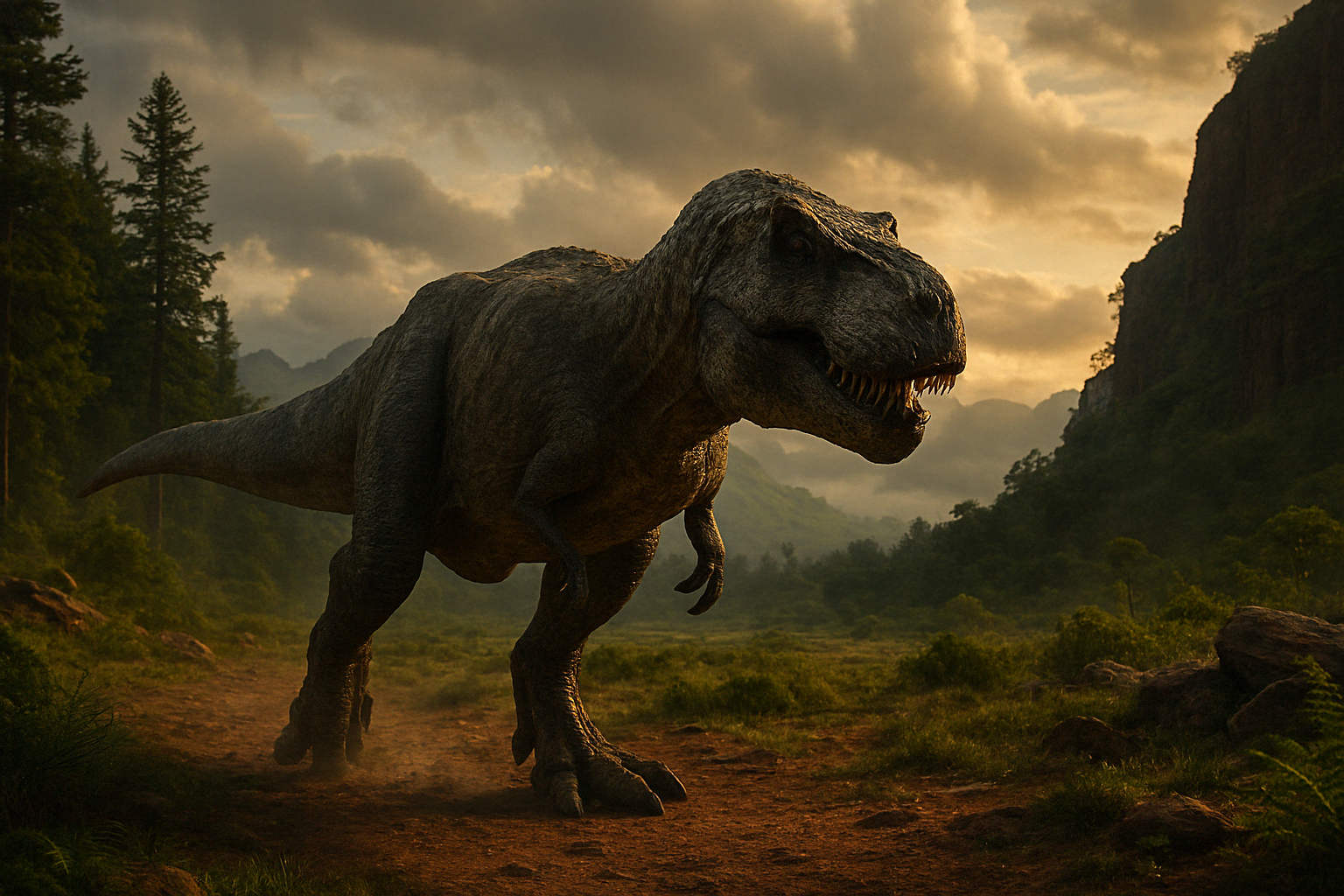
- Size: Around 50 feet long and weighing over 8 tons, making it bigger than T-Rex.
- Fictional DNA Mix: In the movies, its DNA comes from T-Rex, Velociraptor, Carnotaurus, and even modern animals like cuttlefish.
- Features: Camouflage abilities, incredible intelligence, and bone-crushing strength.
The DNA Mix, Explained
Think of Indominus Rex as a recipe with a lot of borrowed ingredients. Its base DNA was T-Rex. The film adds Velociraptor for smarts, modern animals like cuttlefish for camouflage, and Carnotaurus. In real life, no lab can stitch those together into a living animal, because the ancient non-avian dinosaur DNA simply is not there to start from.
Real vs. Movie: What Holds Up
| Trait | In the movie | Real science |
|---|---|---|
| Hybrid DNA | T-Rex, Velociraptor, Carnotaurus, cuttlefish | Ancient non-avian dinosaur DNA cannot be recovered |
| Camouflage | Changes skin to blend in | Cuttlefish can do it; no dinosaur is known to |
| Intelligence | Plots escapes, plays mind games | Raptors were clever, but not human-level schemers |
| Size | Bigger than any predator in the fossil record | Movie size is invented: about 50 feet long |
Max’s Investigation: Fact vs. Fiction
My journey started in a library (yes, even time travelers do research sometimes). I wanted to figure out how much of Indominus Rex could actually exist. Spoiler: more than I expected.
First, let’s talk about size. Indominus is bigger than any predator in the fossil record, but its base DNA—T-Rex—was already a giant. Add a little Carnotaurus speed and Velociraptor smarts, and you’ve got a creature that could easily dominate its environment.
Then there’s the camouflage. That might sound wild, but cuttlefish and chameleons use similar abilities to blend into their surroundings. It’s not hard to imagine a genetically modified dinosaur borrowing that trick.
What’s less realistic? The whole “outsmarting humans” thing. While raptors were clever and T-Rex had a keen sense of smell, no fossil evidence suggests they had the brainpower to plot elaborate escapes or play mind games. (Not that I’d want to test that theory in person.)
Real Science in Indominus Rex
- Hybrid DNA
Genetic engineering in living organisms does not make a movie-style dinosaur hybrid feasible. The Natural History Museum explains the challenge of recovering ancient non-avian dinosaur DNA. - Camouflage
Cuttlefish can change appearance, but the film does not establish a real method for giving an extinct dinosaur that ability. - Speed and Strength
The combination of traits is part of the fictional creature design; its performance cannot be inferred by adding traits together.
Did You Know?
- The name Indominus Rex was created to sound intimidating, but no dinosaur would have been named that in real life—scientific names are descriptive, not dramatic.
- In the movies, Indominus Rex communicates with Velociraptors, but real raptors weren’t as social as Hollywood makes them seem.
- While no hybrid dinosaurs have been created (yet), scientists are exploring the possibility of de-extincting species like the woolly mammoth.
Max’s Thoughts on Indominus Rex
While I didn’t get to meet a real Indominus Rex (thankfully), my sketches and research show just how close we might be to creating something like it. Sam said my drawings make it look “way too friendly,” which I guess is fair—real or not, Indominus Rex is nothing to mess with.
Field Notes From Max
- Survival Tip: If Indominus Rex were real, there wouldn’t be any tips. Just run.
- What I Learned: Fictional dinosaurs might not exist, but the science behind them is closer than we think.
- Favorite Moment: Realizing that even without hybrids, nature already made some terrifyingly perfect predators.
The Bigger Picture
Indominus Rex might be fictional, but it raises real questions about genetic engineering, ethics, and how far we’re willing to go to bring the past into the present. After all, isn’t every dinosaur already incredible enough without mixing in modern DNA?
Sam, of course, had the final word. “If someone ever makes a real Indominus Rex,” she said, “you better not volunteer to photograph it.” Noted.
For another movie hybrid, read about the Indoraptor, which took the idea even further, and see how accurate the Jurassic Park dinosaurs were.
Next up: Day 19: Iguanodon – The Dino With Thumbs (and a Punch to Match).
Think thumbs are only good for texting? Wait until you hear about the time Iguanodon used its spiky thumb to solve its problems—and why I almost got caught in the middle. Stay tuned!
More Dinosaur Field Guides
- Tyrannosaurus Rex Facts and Pictures for Kids and Dino Nerds
- Dinosaur Names and Pictures: A Big Starter Guide for Curious Kids and Dino Nerds
- Maiasaura – The Dinosaur Known for Its Excellent Parenting Skills
- Types of Dinosaurs (With the Famous Ones You Actually Search For)
- Types of Dinosaurs (Explained Like You’re on a Field Trip with Max, Jake & Sam)