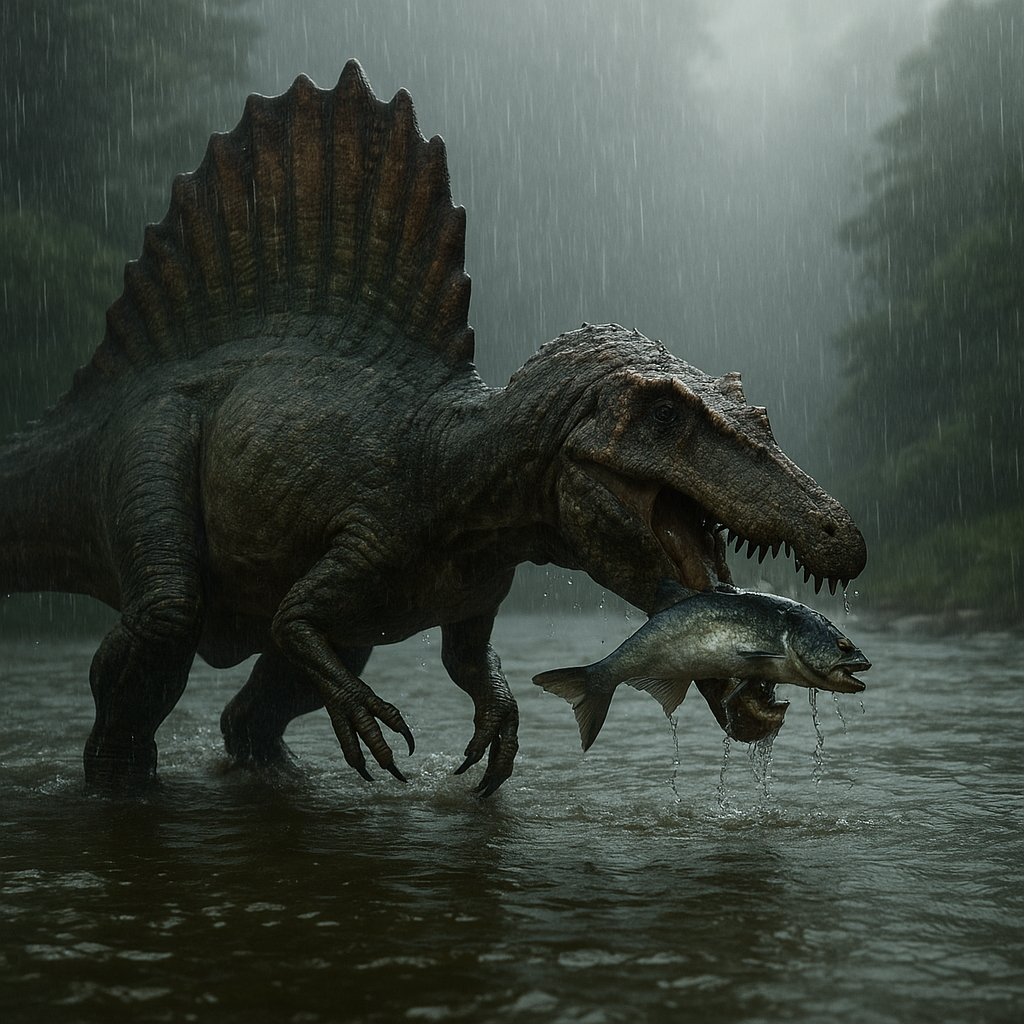
Day 3: The Rulers of the Waterways.
You know that feeling when you realize you’ve made a huge mistake? That was me, knee-deep in a muddy riverbank, with Spinosaurus staring at me like I’d just ruined its fishing trip. Let me tell you, this thing was massive. And me? Let’s just say I wasn’t exactly on solid ground, literally or figuratively.
Here for the pictures? The gallery further down has ten Spinosaurus shots, and the quick facts come first.
Spinosaurus: Quick Facts
Here’s everything you need to know about this terrifying river king:
- Name Meaning: Spinosaurus means “spine lizard,” thanks to its iconic sail-like spine.
- Time Period: It lived about 99 to 94 million years ago during the Late Cretaceous.
- Size: Estimated at about 14 metres (46 feet) long; estimates for this incompletely known dinosaur vary.
- Diet: Carnivorous; its anatomy suggests that fish formed part of its diet.
- Habitat: Lived in river systems and deltas in what is now North Africa.
That size is an estimate, so if you want to see it next to other giants, how big dinosaurs really were puts them side by side. And for the classic matchup, T. rex against Spinosaurus has the showdown.
Max’s Encounter: A Fishing Trip Gone Wrong
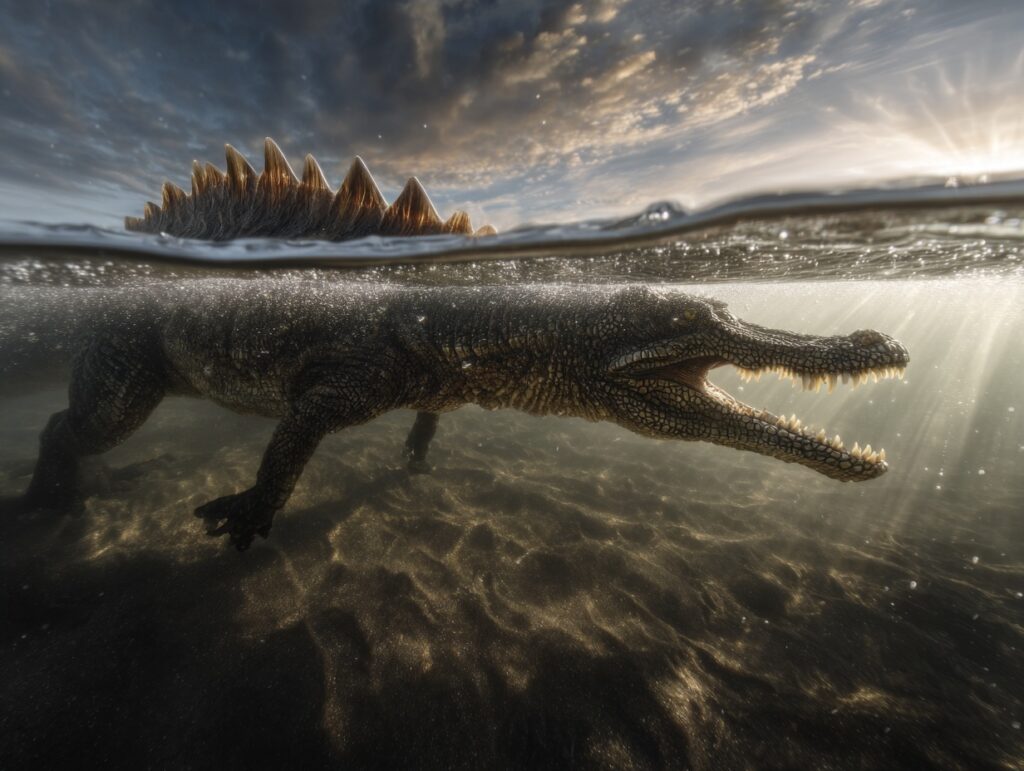
I was tracking Spinosaurus near a swampy river when I spotted it—its sail sticking out of the water like a dorsal fin. It was wading slowly, scanning the surface for fish, completely ignoring me. So, naturally, I decided to move closer to get the perfect shot.
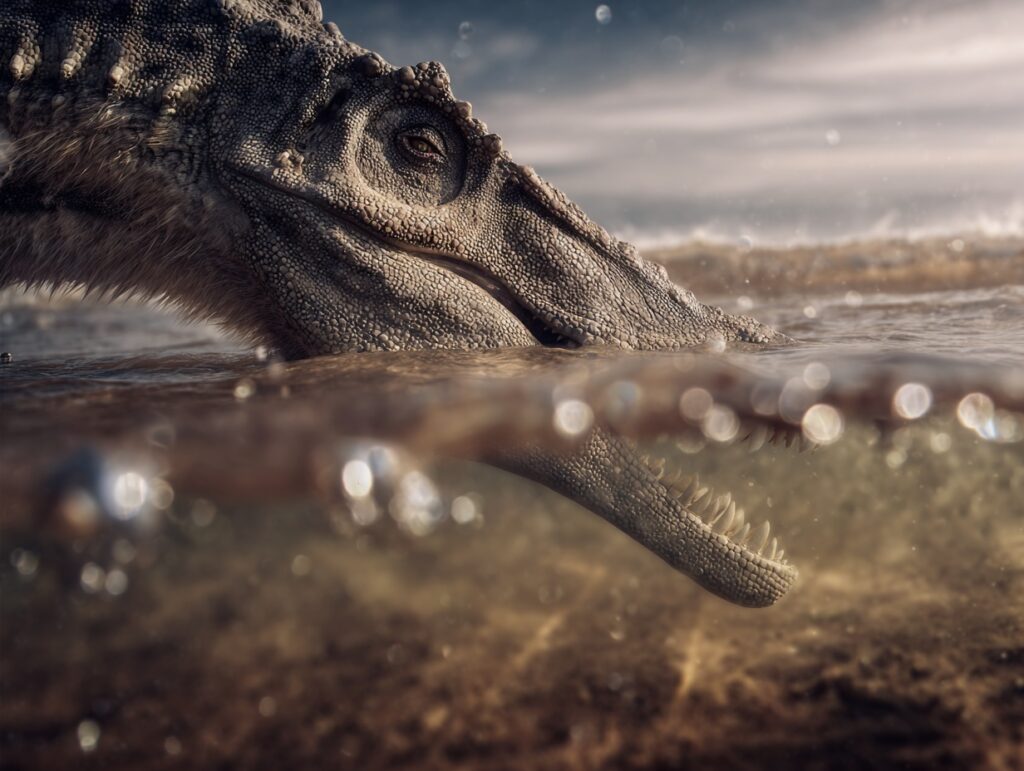
That’s when I learned Spinosaurus wasn’t just a slow-moving giant. It turned its long, crocodile-like snout toward me, sniffed the air, and then locked eyes with me. Fun fact: A 2014 reconstruction placed its nostrils near the middle of its skull. How it moved and hunted in water remains debated. Not-so-fun fact: It also had razor-sharp teeth built for gripping slippery prey.
I didn’t think—I just ran. Mud was flying everywhere as I tried to get back to dry ground. But Spinosaurus wasn’t chasing me; it was just… watching. Like it was curious. I’ll never forget the sound it made, though—a low, guttural rumble that vibrated in my chest. Later, I realized it wasn’t interested in me; I was too small to bother with. Lucky break.
The Spinosaurus Sail
Spinosaurus’s sail is one of its most distinctive features, made of long neural spines connected by skin. Scientists think it might have been used for regulating body temperature or attracting mates. Either way, it’s as impressive as it is intimidating.
Did You Know?
- Spinosaurus’s jaws were long and narrow, like a crocodile’s, and packed with conical teeth perfect for catching fish.
- Spinosaurus shows adaptations associated with life in and around water; its exact hunting style remains debated.
- Dense bones and a flexible tail inform hypotheses about its aquatic behavior, but how it moved in water remains debated.
Whether it hunted on land or fished is the other big question; I took another look in Spinosaurus, predator or fisherman.
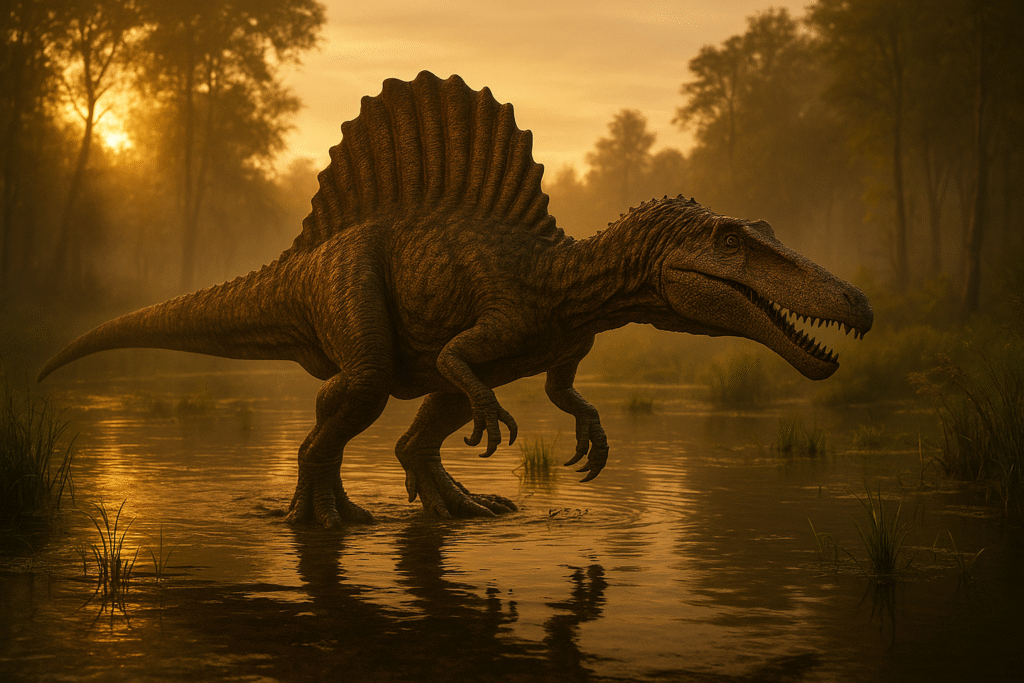
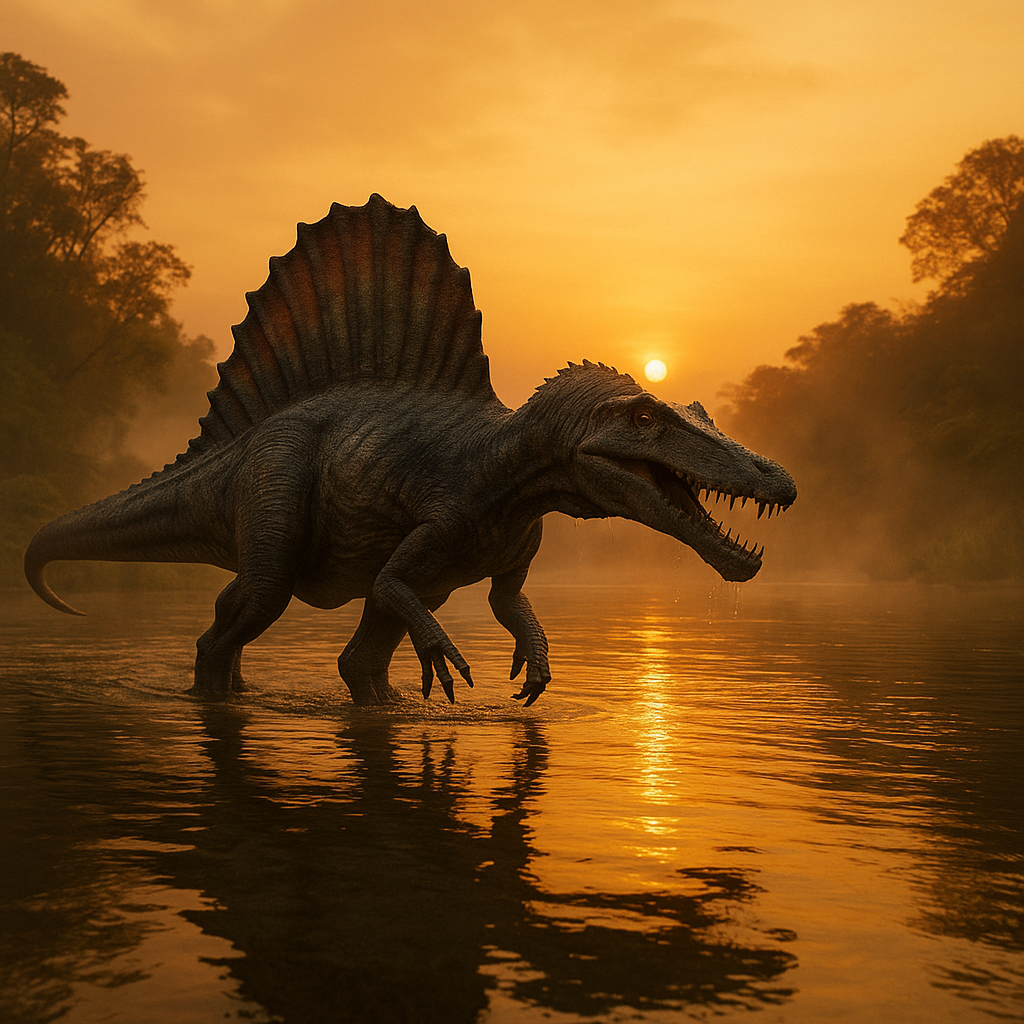
Real Spinosaurus Pictures Getting a clear photo of Spinosaurus was no small feat. I had to hide in a cluster of reeds, waiting for the right moment. The picture I snapped shows its sail cutting through the water and its long snout dripping with mud. The shot isn’t perfect (I was trembling, okay?), but it’s enough to prove this predator was a master of its domain.
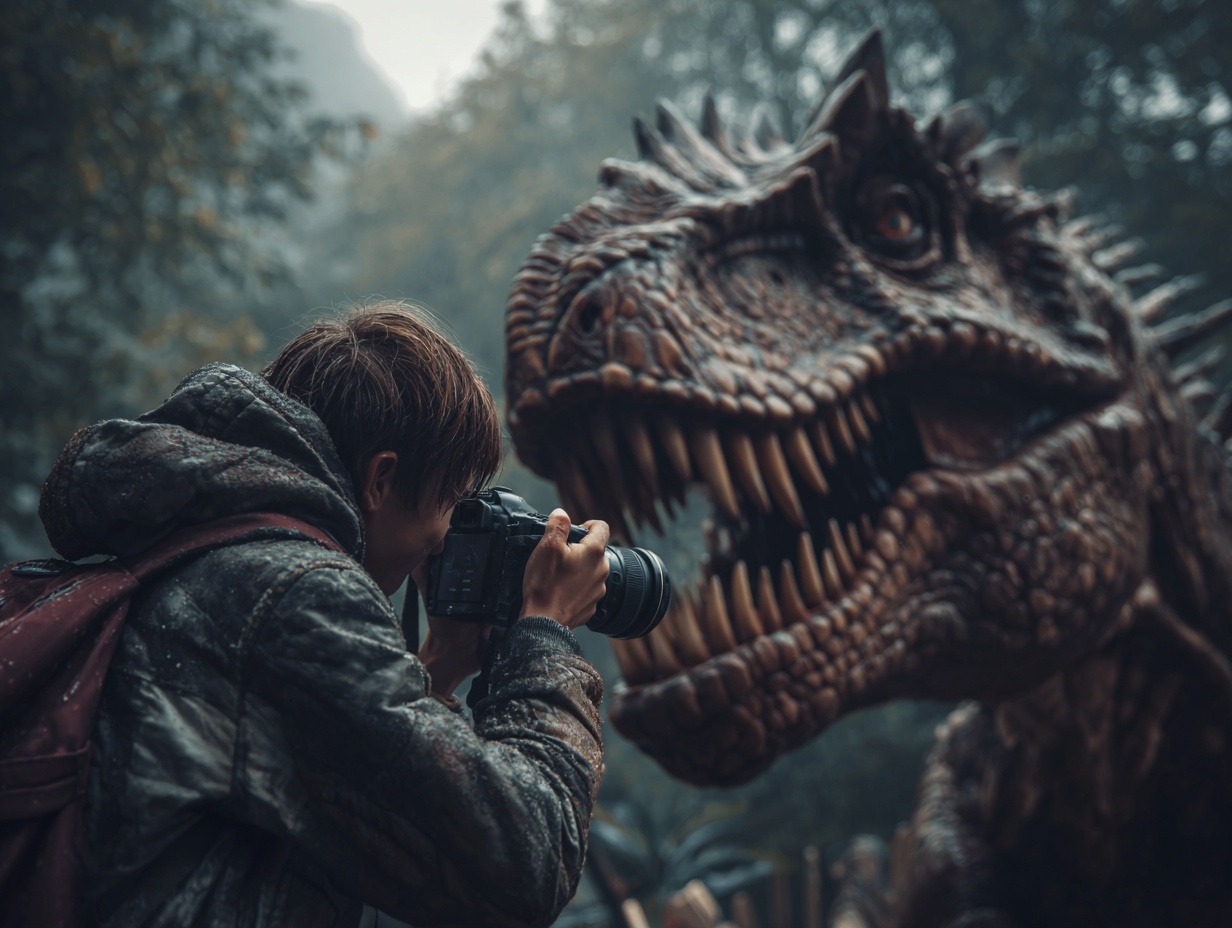
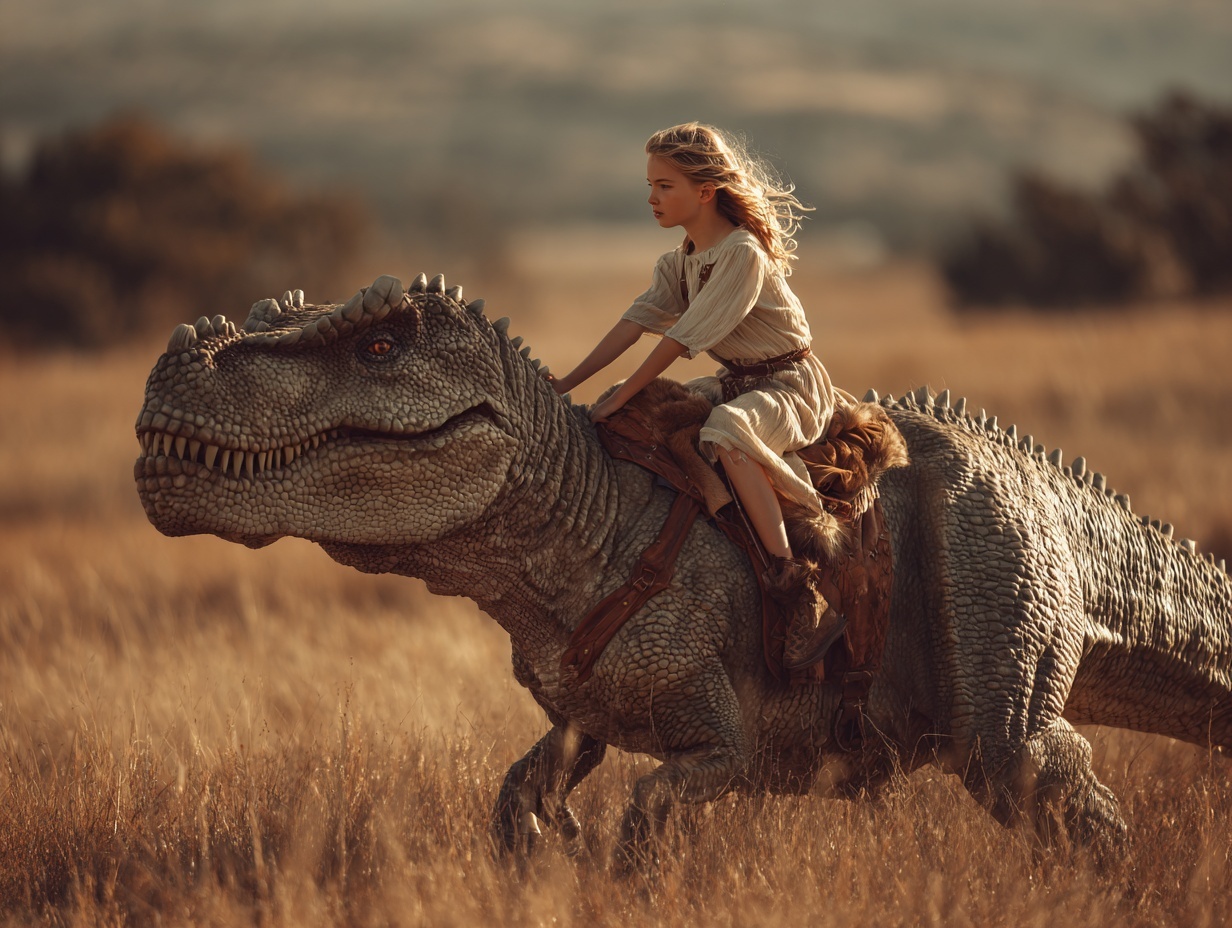
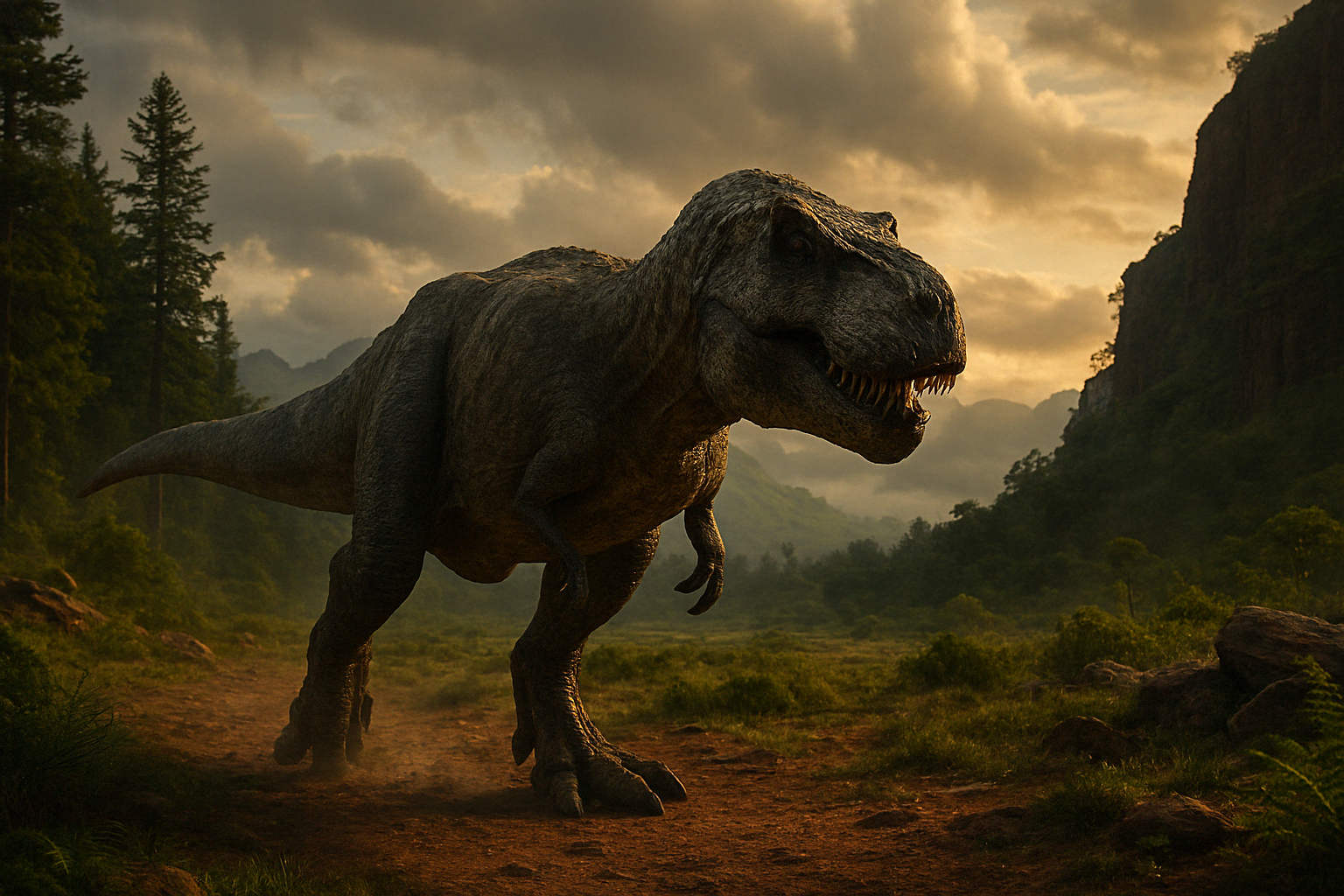
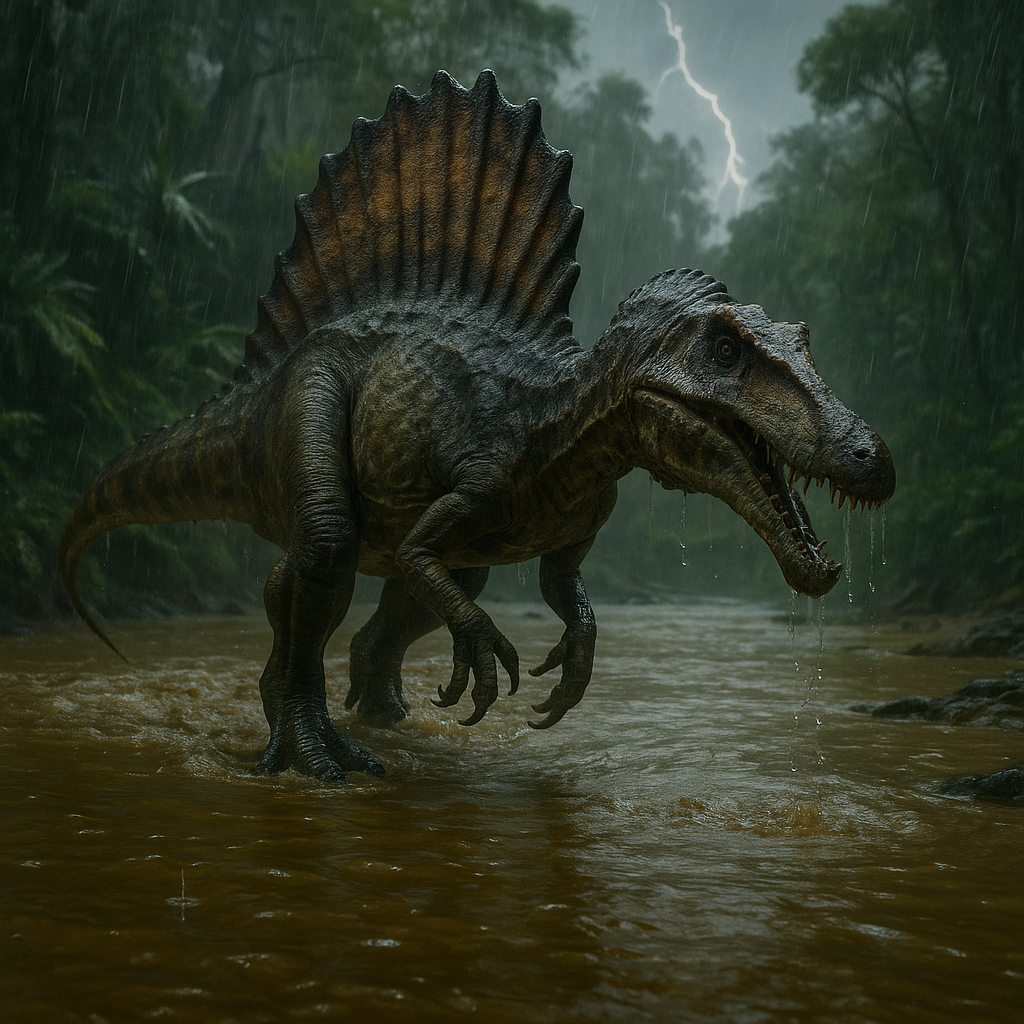
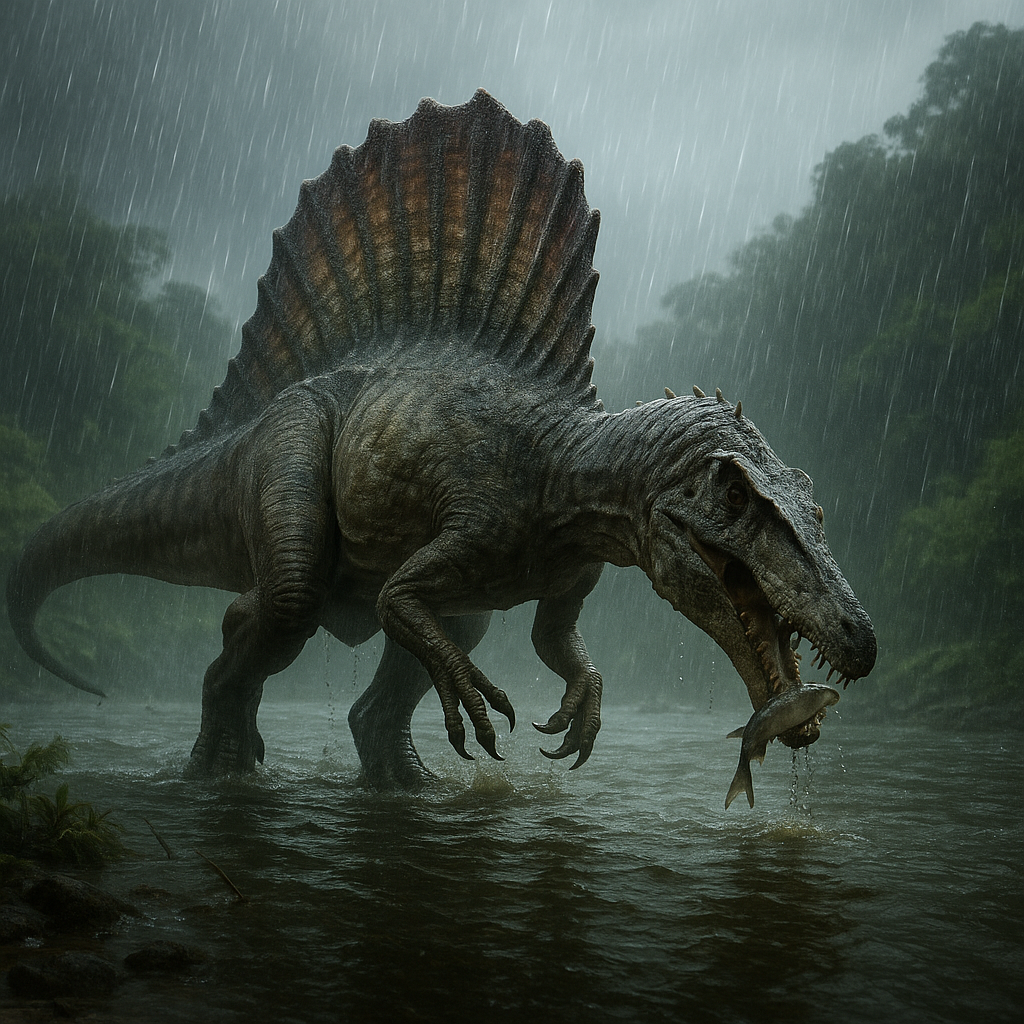
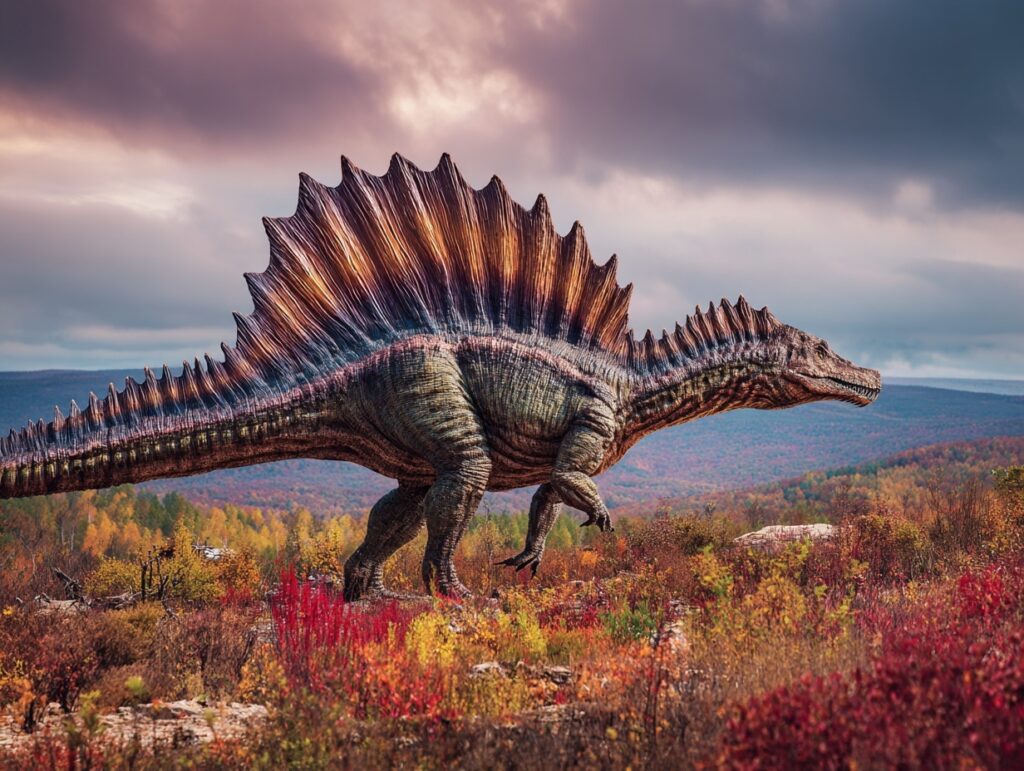
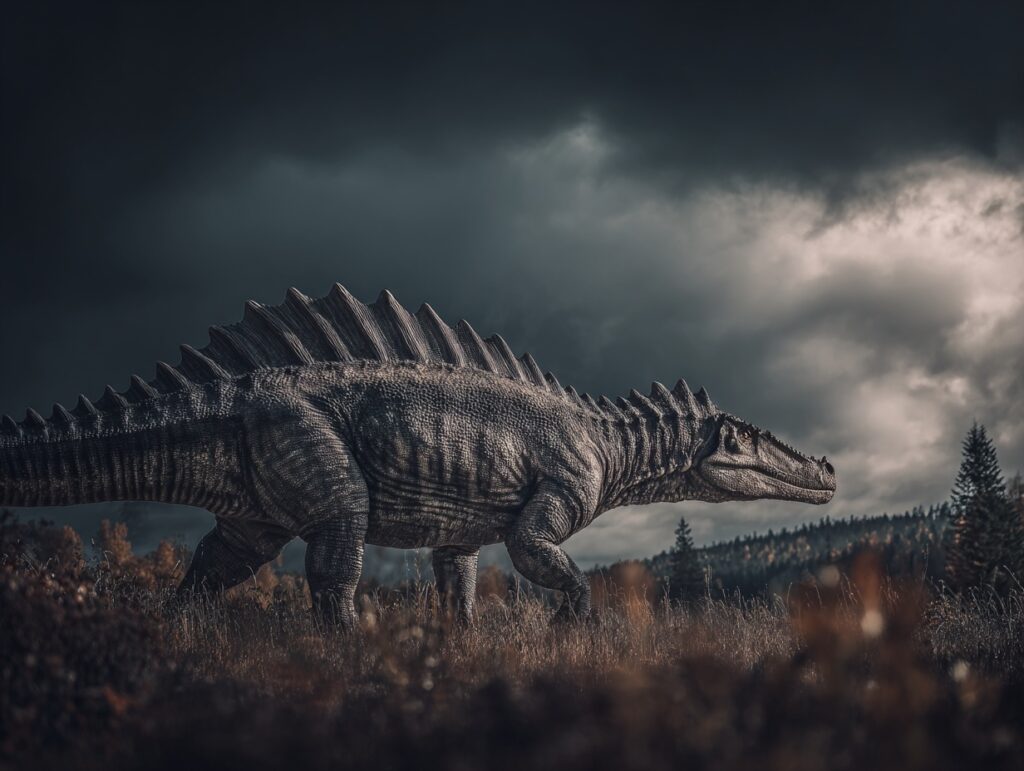
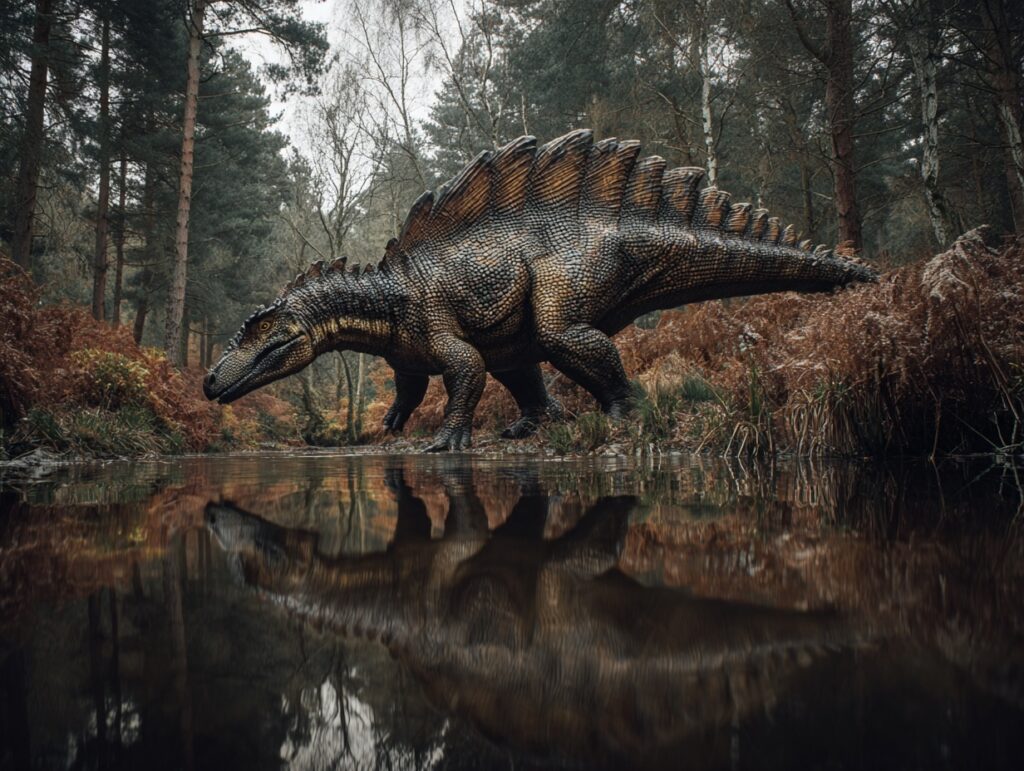
In the gallery you will find Spinosaurus in a rainy river, at golden sunset, under dark storm clouds, beside a forest pond and on a hillside of red autumn plants.
Field Notes From Max
- Survival Tip: If you see the sail, back away slowly. You don’t want to end up as the main course.
- What I Learned: Spinosaurus wasn’t just big—it was built for versatility. Land, water, fish, dinos—this thing was a triple threat.
- Favorite Moment: Watching it spear a fish the size of a Labrador in one snap of its jaws.
The Bigger Picture
Spinosaurus is a game-changer for paleontology, prompting debate about how some dinosaurs used aquatic environments. Capturing this photo might help me settle a few debates back home—if I can get it past Dr. Kline, who still insists I’m making all this up. And Sam? She’s been pestering me to sell the shot to a wildlife magazine. I guess she’s got a point—if I’m risking my life, might as well make some money off it, right?
More Dinosaur Field Guides
- Tyrannosaurus Rex Facts and Pictures for Kids and Dino Nerds
- Dinosaur Names and Pictures: A Big Starter Guide for Curious Kids and Dino Nerds
- Maiasaura – The Dinosaur Known for Its Excellent Parenting Skills
- Types of Dinosaurs (With the Famous Ones You Actually Search For)
- Types of Dinosaurs (Explained Like You’re on a Field Trip with Max, Jake & Sam)