Short version: a pterosaur is the whole group of flying reptiles, and a pterodactyl is one member of that group. Pterodactylus is the genus the everyday word comes from. Neither one was a dinosaur, though they share an ancestor with the dinosaurs.
People often use pterodactyl informally for flying reptiles called pterosaurs. Pterodactylus is one genus within that group. Pterosaurs were not dinosaurs, although the groups share an ancestor.
| Name | What it means | Was it a dinosaur? |
|---|---|---|
| Pterosaur | The umbrella term for all flying reptiles of the Mesozoic era | No |
| Pterodactyl | An informal, everyday word often used for any pterosaur | No |
| Pterodactylus | One genus within the pterosaur group | No |
For a close cousin with its own page, see the Pteranodon field guide.
Day 5: Here’s a quick lesson I learned the hard way: don’t assume you’re safe just because you’re off the ground. Turns out, when you’re in the Cretaceous, even the skies aren’t safe. Case in point: my encounter with a massive flying reptile that nearly turned me into a midair snack.
Pterodactyl vs. Pterosaur: What’s the Difference?
- Pterosaur: The umbrella term for all flying reptiles of the Mesozoic era.
- Pterodactyl: An informal name often used for pterosaurs. It traces back to a name for the animal now called Pterodactylus, as the Natural History Museum explains.
So Pterodactylus is one genus within the wider pterosaur group; the everyday word pterodactyl can be used more broadly.
Quick Facts About Pterosaurs
Here’s what makes these winged creatures so fascinating:
- Time Period: Lived from the Late Triassic to the end of the Cretaceous (228–66 million years ago).
- Size: Varied wildly. Some were as small as a crow, while others, like Quetzalcoatlus, had wingspans over 30 feet.
- Diet: Fish, small animals, and sometimes scavenging.
- Wings: Made of skin, muscle, and fibers stretched over a long fourth finger.
Max’s Encounter: Up, Up, and… Gone
I was perched in a tree, trying to get a shot of a river from above (Sam insists I need more “establishing shots” for my science fair project). That’s when I heard the sound—a high-pitched screech that made the hairs on the back of my neck stand up.
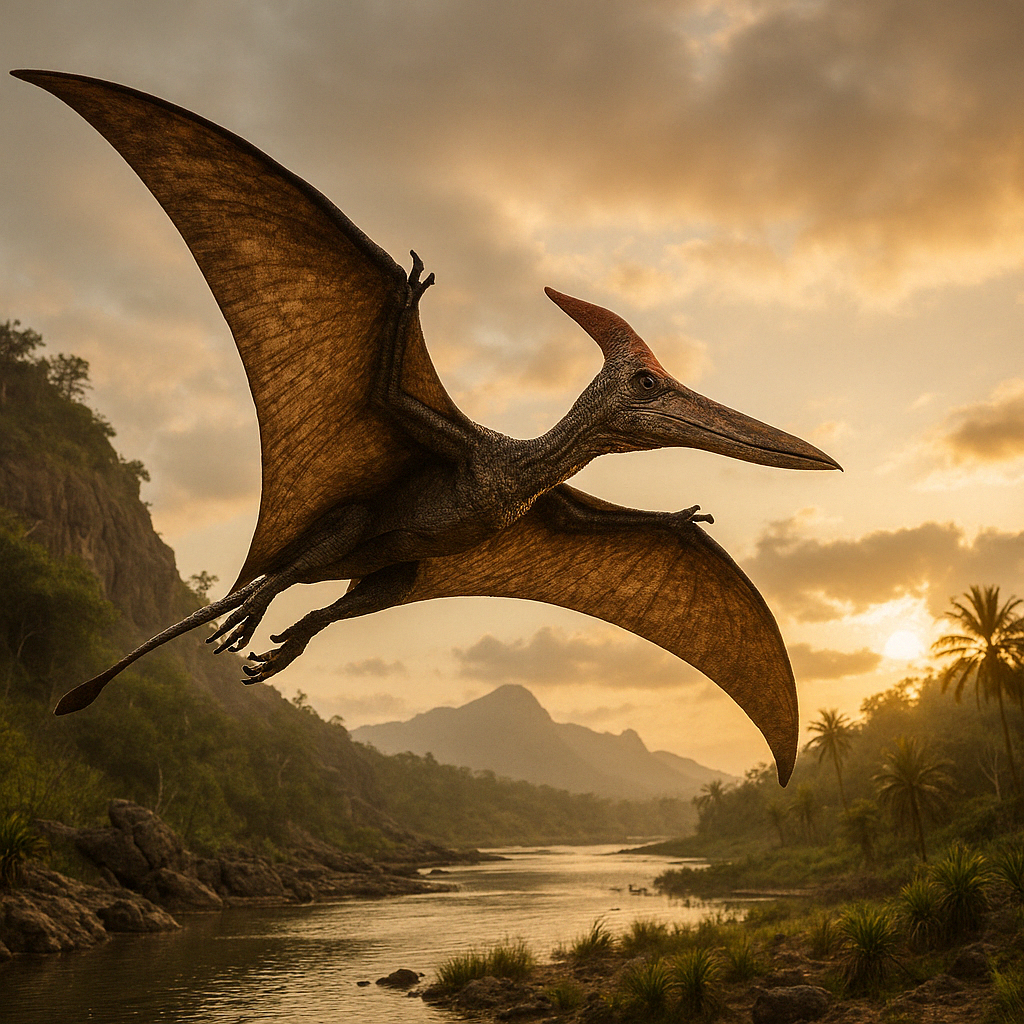
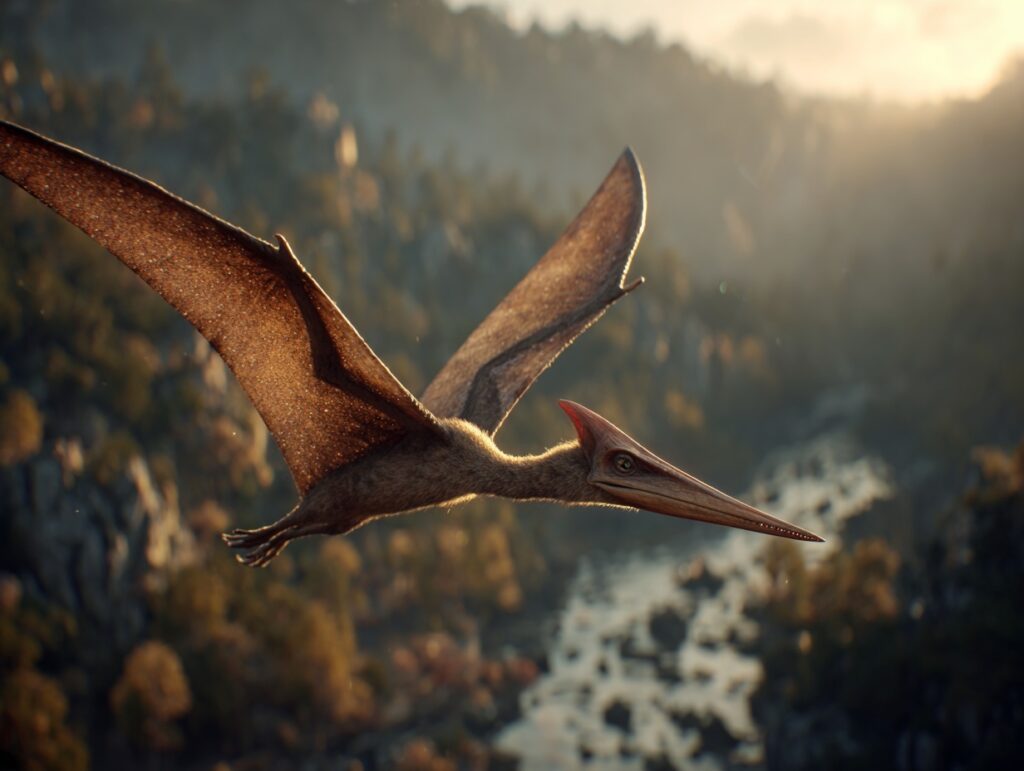
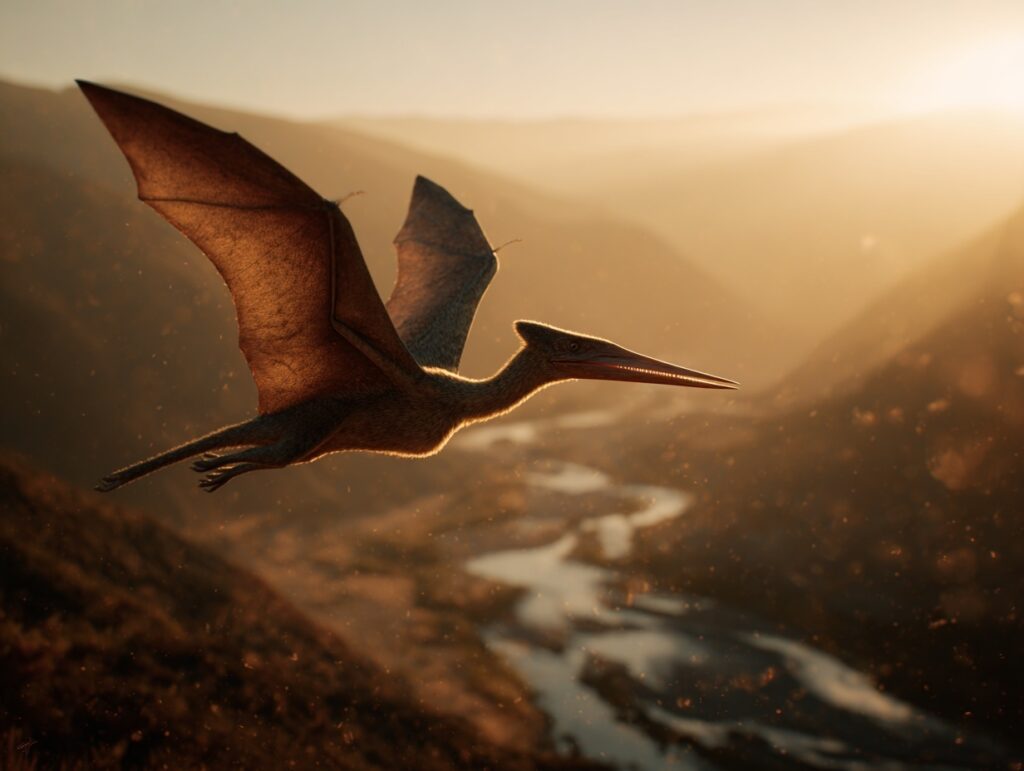
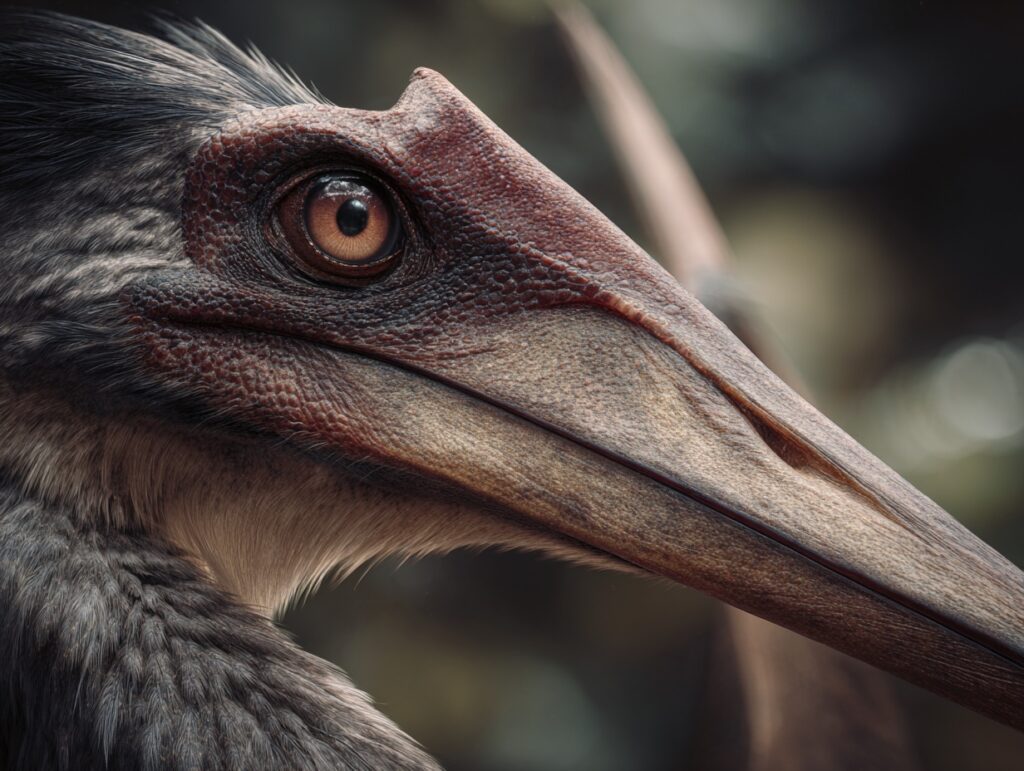
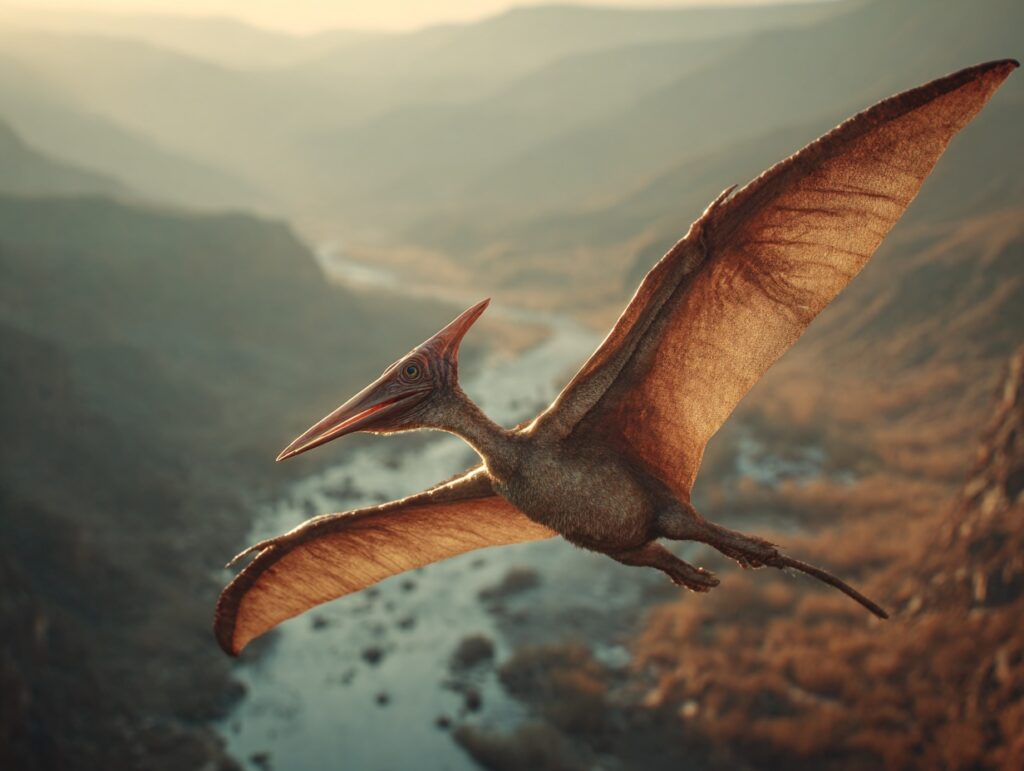
I looked up and saw it: a Pterosaur with a wingspan at least 20 feet wide, gliding silently above the treetops. Its beak was long and narrow, perfect for catching fish. My heart stopped when it tilted its head and spotted me.
Now, I don’t know if it thought I was a snack or just wanted me out of its territory, but it dove straight at me. I panicked, clinging to the tree, as it swooped by, so close I could feel the wind from its wings.
After a few more terrifying passes, it lost interest and flew off. I, on the other hand, nearly fell out of the tree trying to steady my camera for one last shot. The picture? Totally worth it.
Did You Know?
- Pterosaurs were the first vertebrates to master powered flight, long before birds.
- Some species, like Pterodaustro, had thousands of tiny teeth for filtering plankton from the water.
- Pterosaurs likely had excellent eyesight, making them skilled hunters both in the air and on land.
Real Pterosaur Pictures
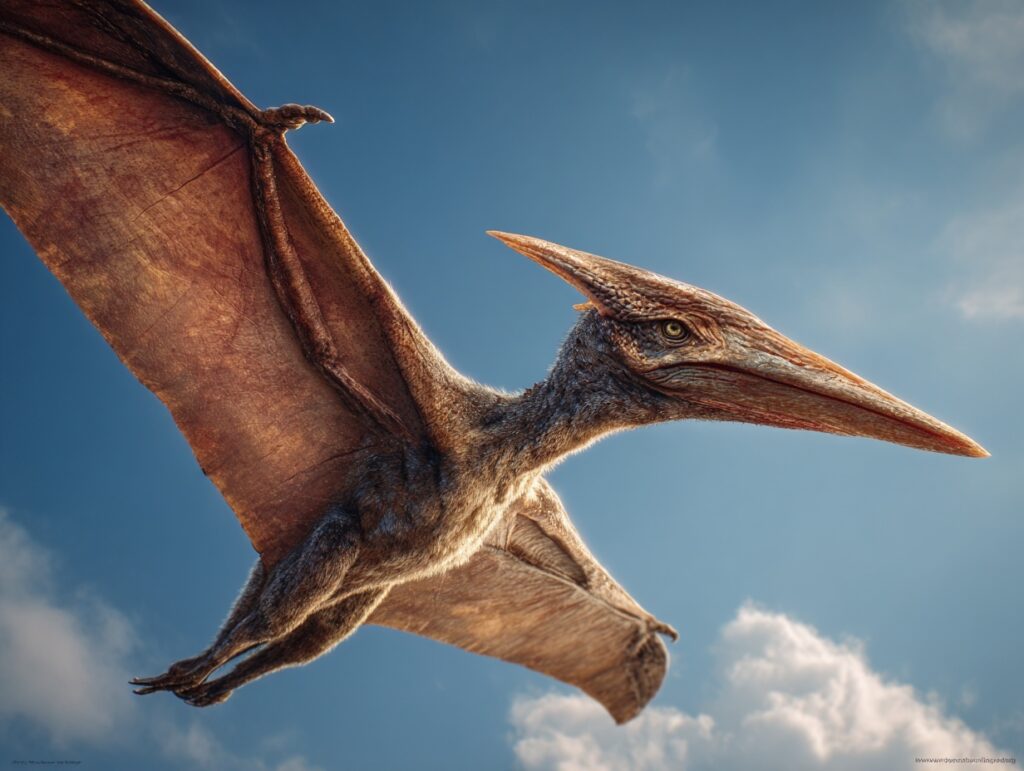
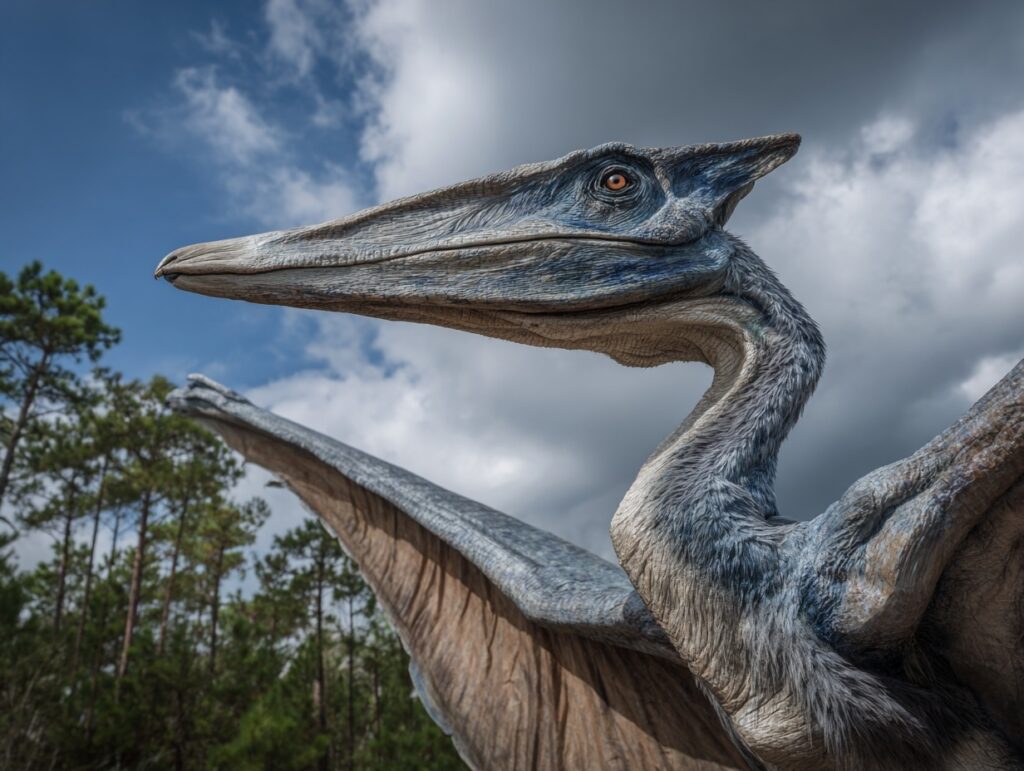
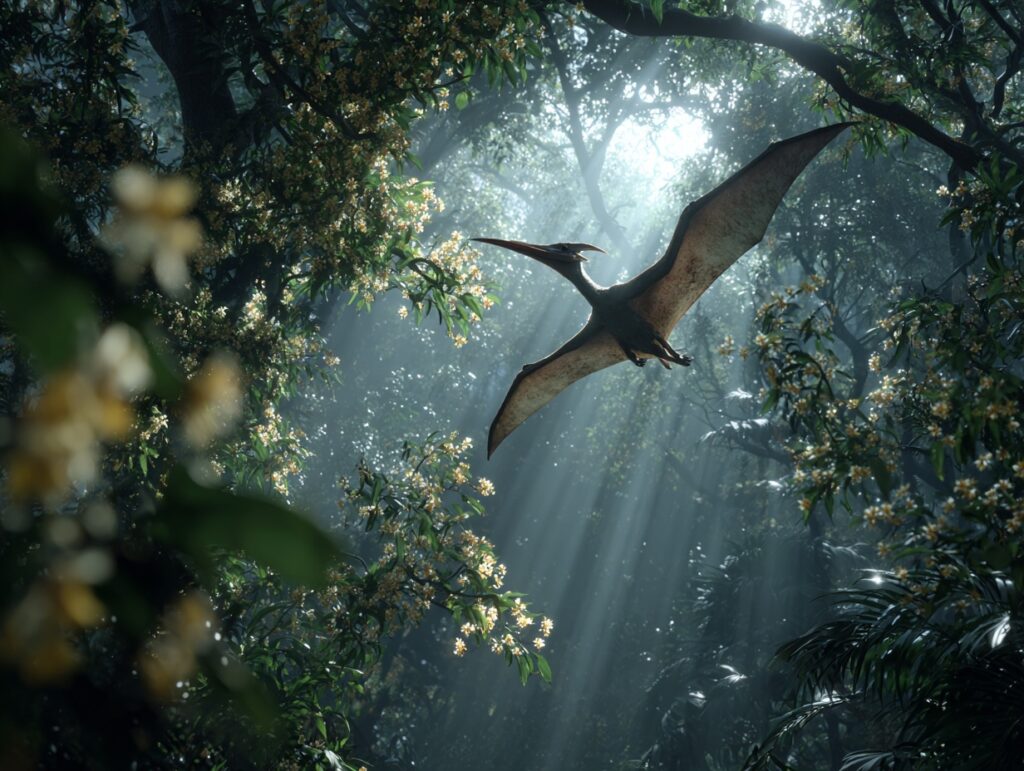
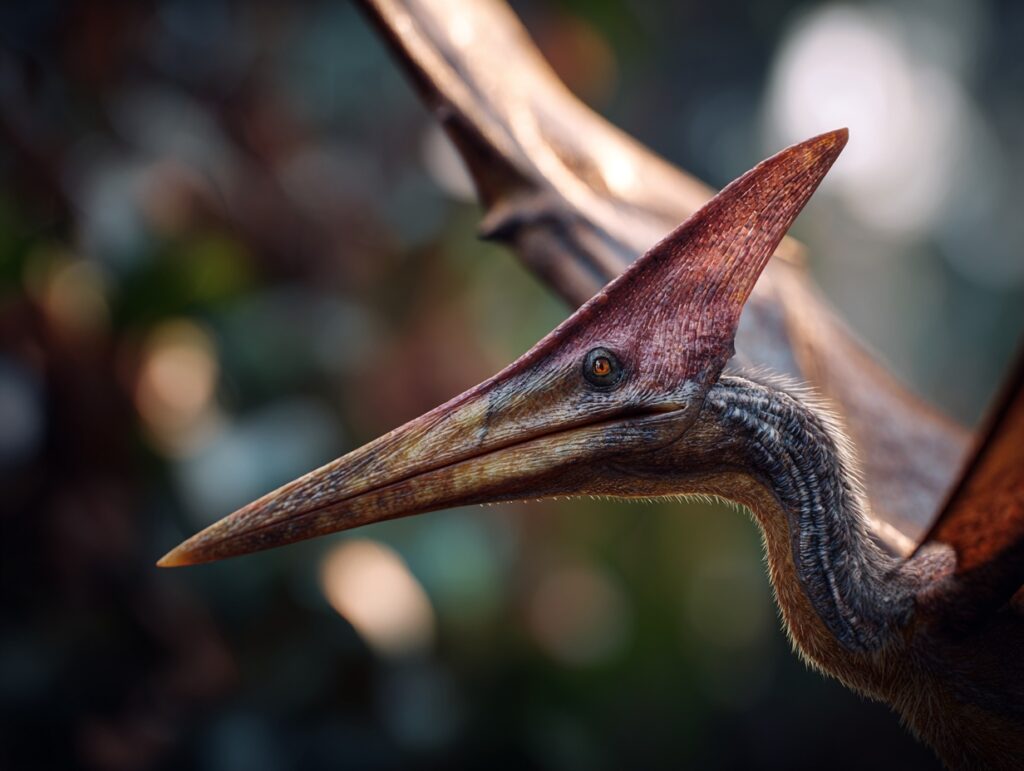
My photo shows the Pterosaur mid-dive, its wings stretched wide and its beak open. It’s blurry (tree branches, sorry), but you can see the texture of its leathery wings and the sharp edges of its crest. Honestly, it’s a miracle I got the shot at all.
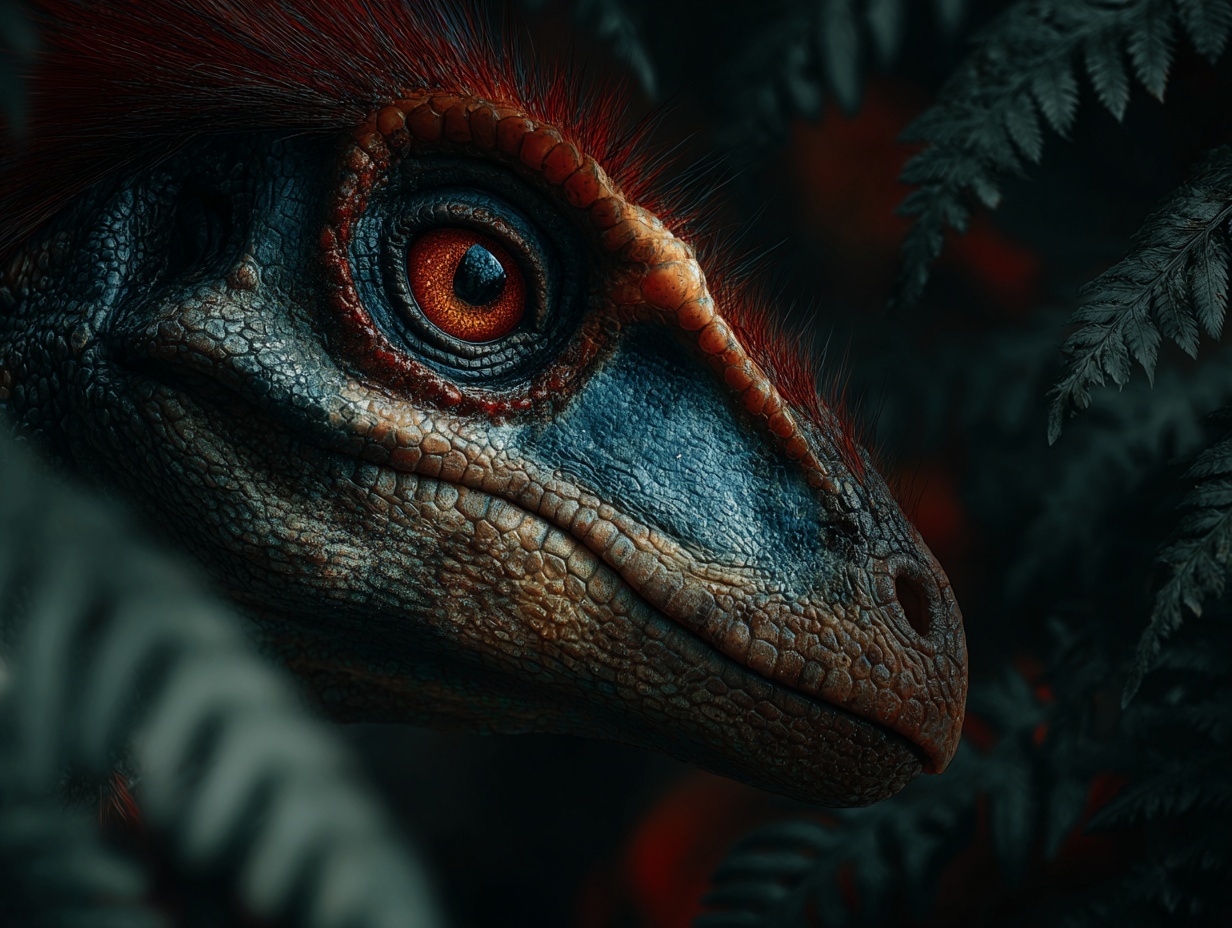
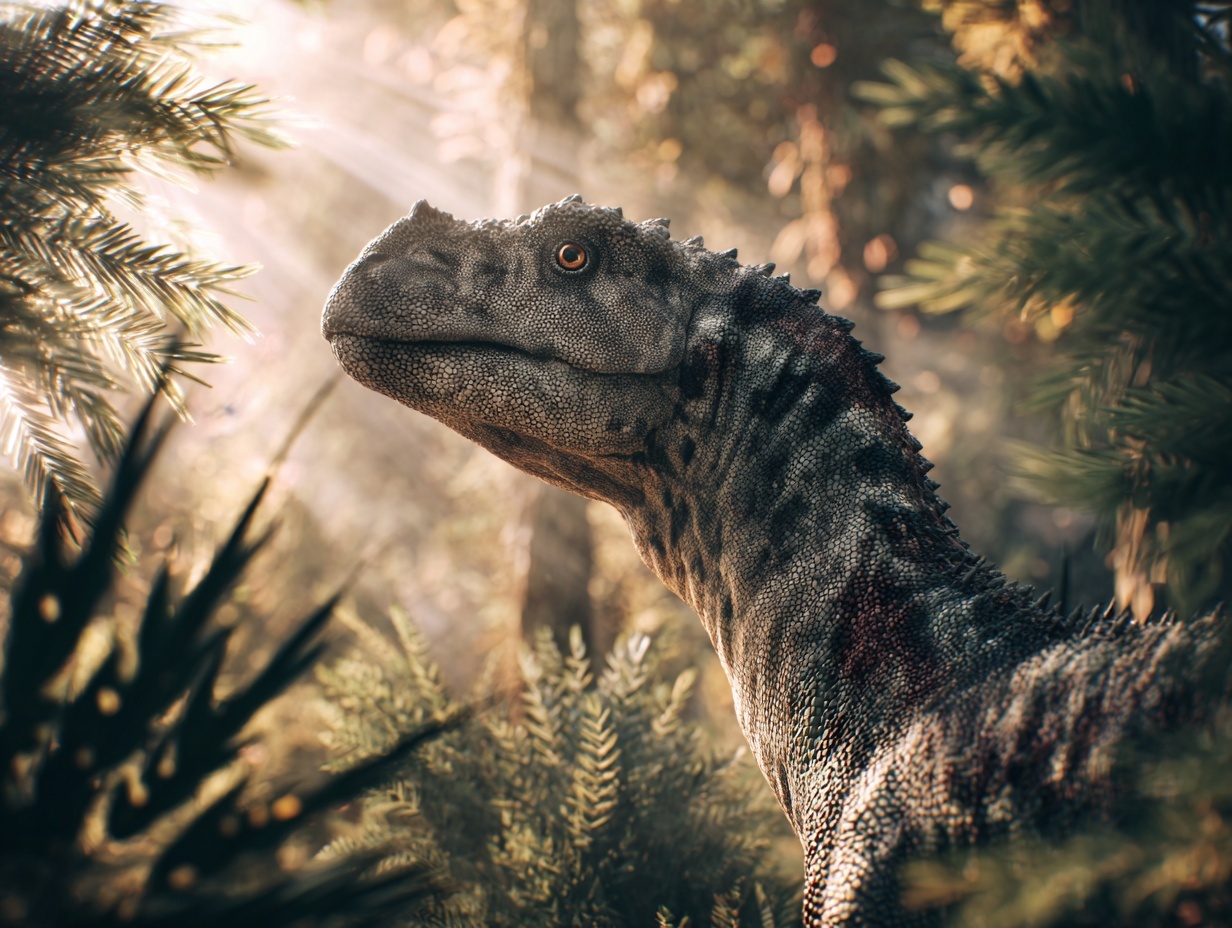
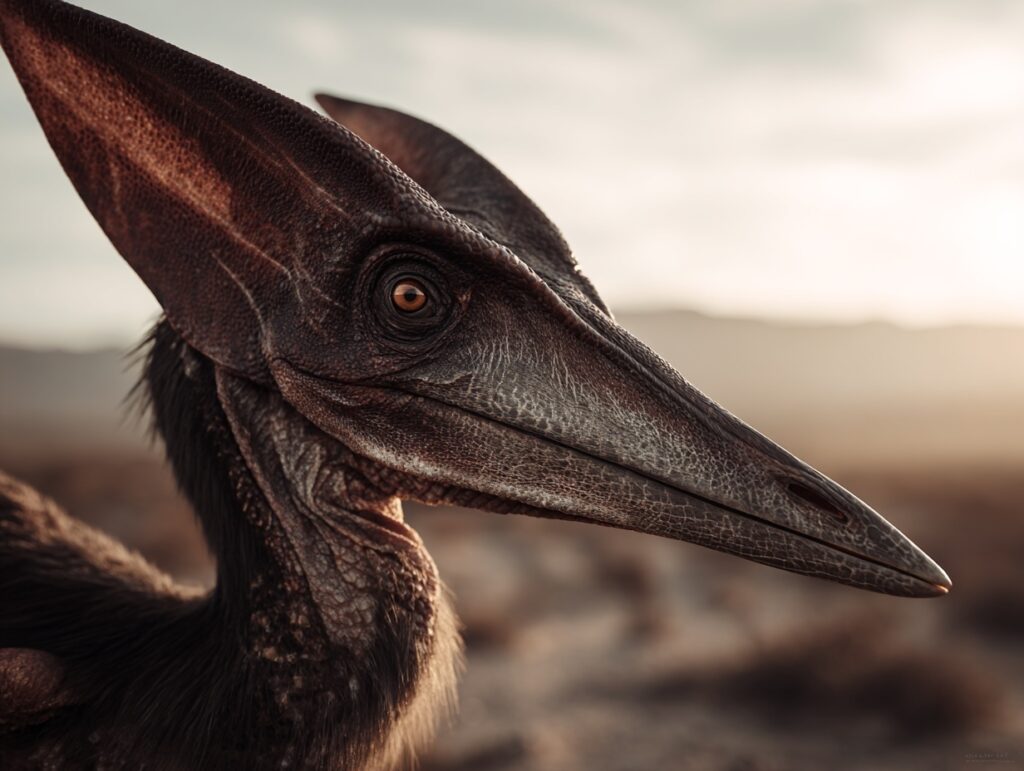
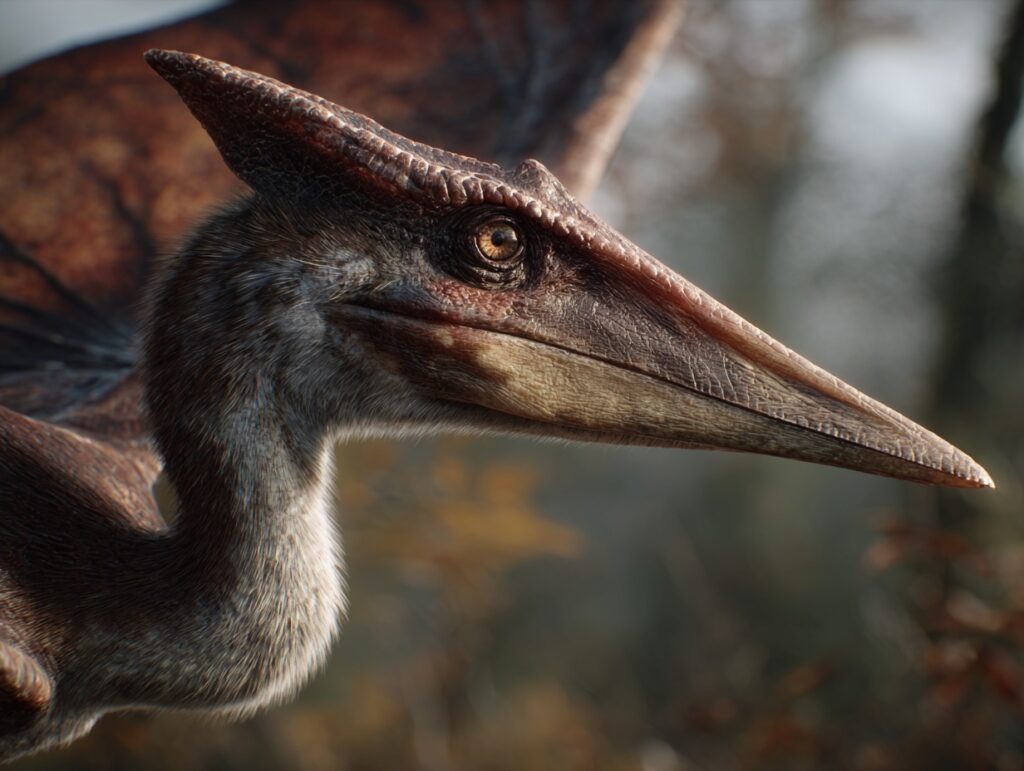
Gallery note: These images are pterosaur illustrations accompanying Max’s fictional field notes.
Field Notes From Max
- Survival Tip: Stay out of the air. Pterosaurs rule the skies, and they’re not friendly.
- What I Learned: Pterosaurs were incredibly diverse, from tiny insect-eaters to massive fish-hunters.
- Favorite Moment: Watching one pluck a fish out of the water with surgical precision.
The Bigger Picture
Pterosaurs are crucial to understanding the evolution of flight, but they’re also wildly misunderstood. Back home, people lump them in with dinosaurs, but they’re a totally different group. If I can get my photos published, it might finally settle some of the debates—like whether Pterosaurs were covered in fur-like pycnofibers (spoiler: they probably were).
Of course, convincing Dr. Kline won’t be easy. He’s already dismissing my T-Rex and Velociraptor photos as “creative editing.” Sam says I should just send the Pterosaur shot to a travel magazine. “Flying reptile tourism—it’s the next big thing,” she said, laughing. Typical Sam.
More Dinosaur Field Guides
- Tyrannosaurus Rex Facts and Pictures for Kids and Dino Nerds
- Dinosaur Names and Pictures: A Big Starter Guide for Curious Kids and Dino Nerds
- Maiasaura – The Dinosaur Known for Its Excellent Parenting Skills
- Types of Dinosaurs (With the Famous Ones You Actually Search For)
- Types of Dinosaurs (Explained Like You’re on a Field Trip with Max, Jake & Sam)