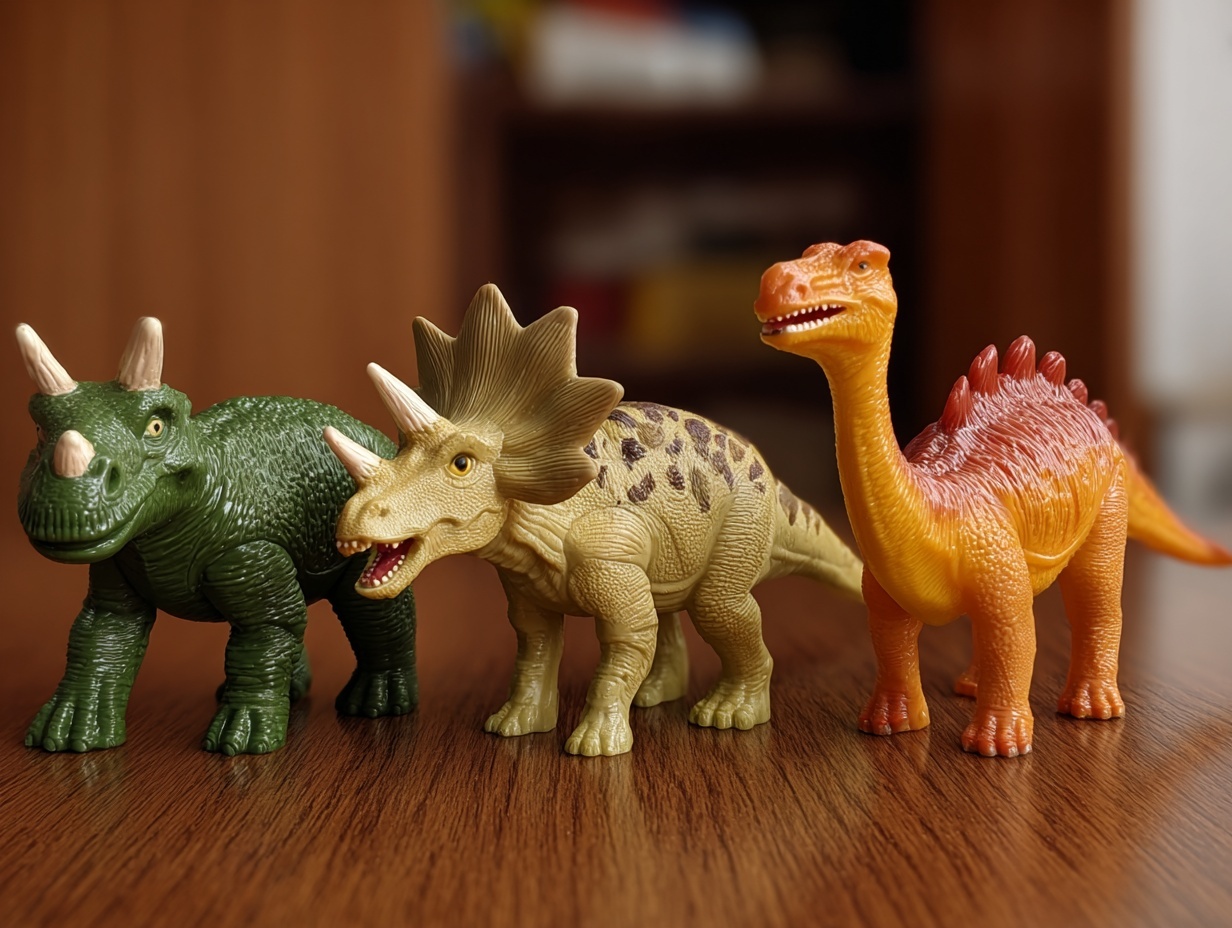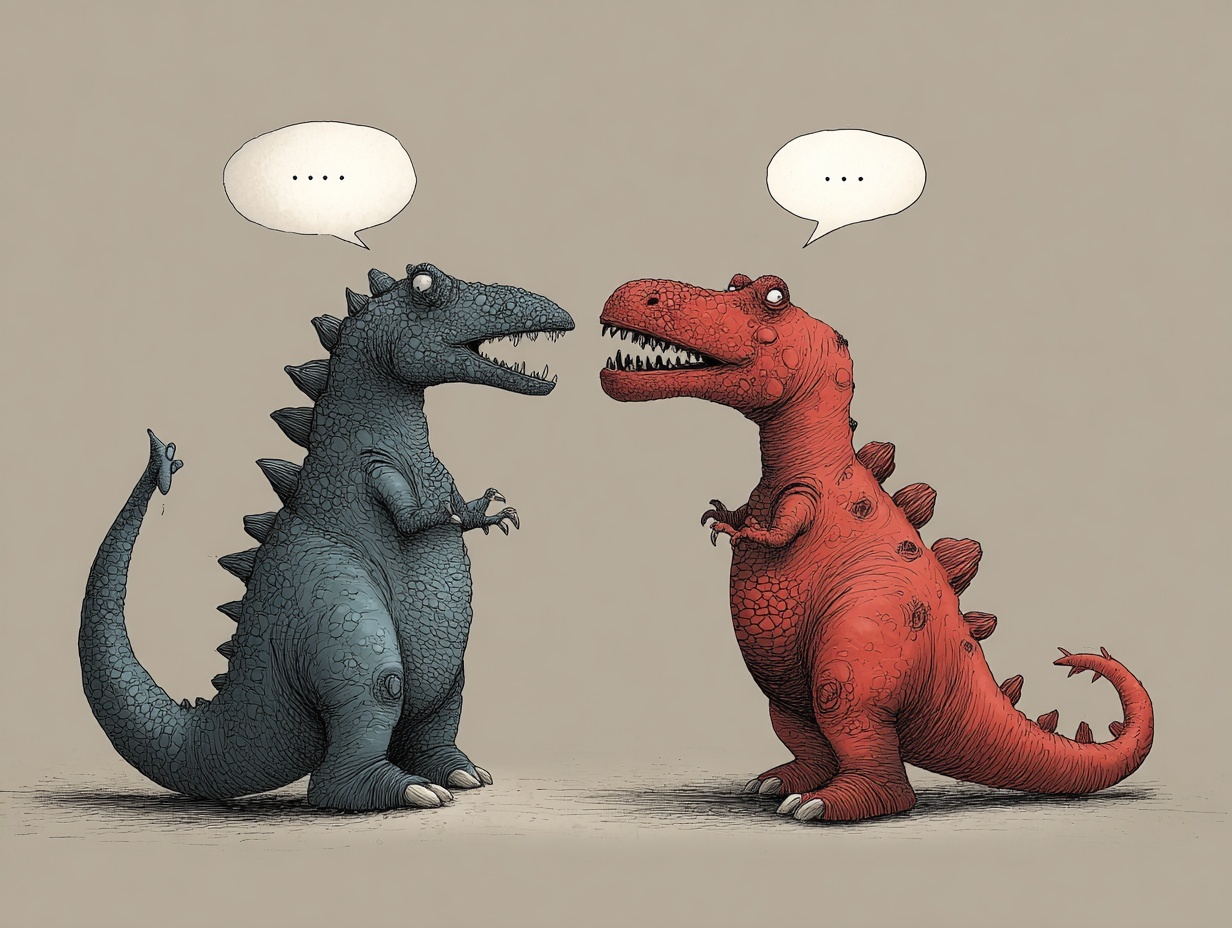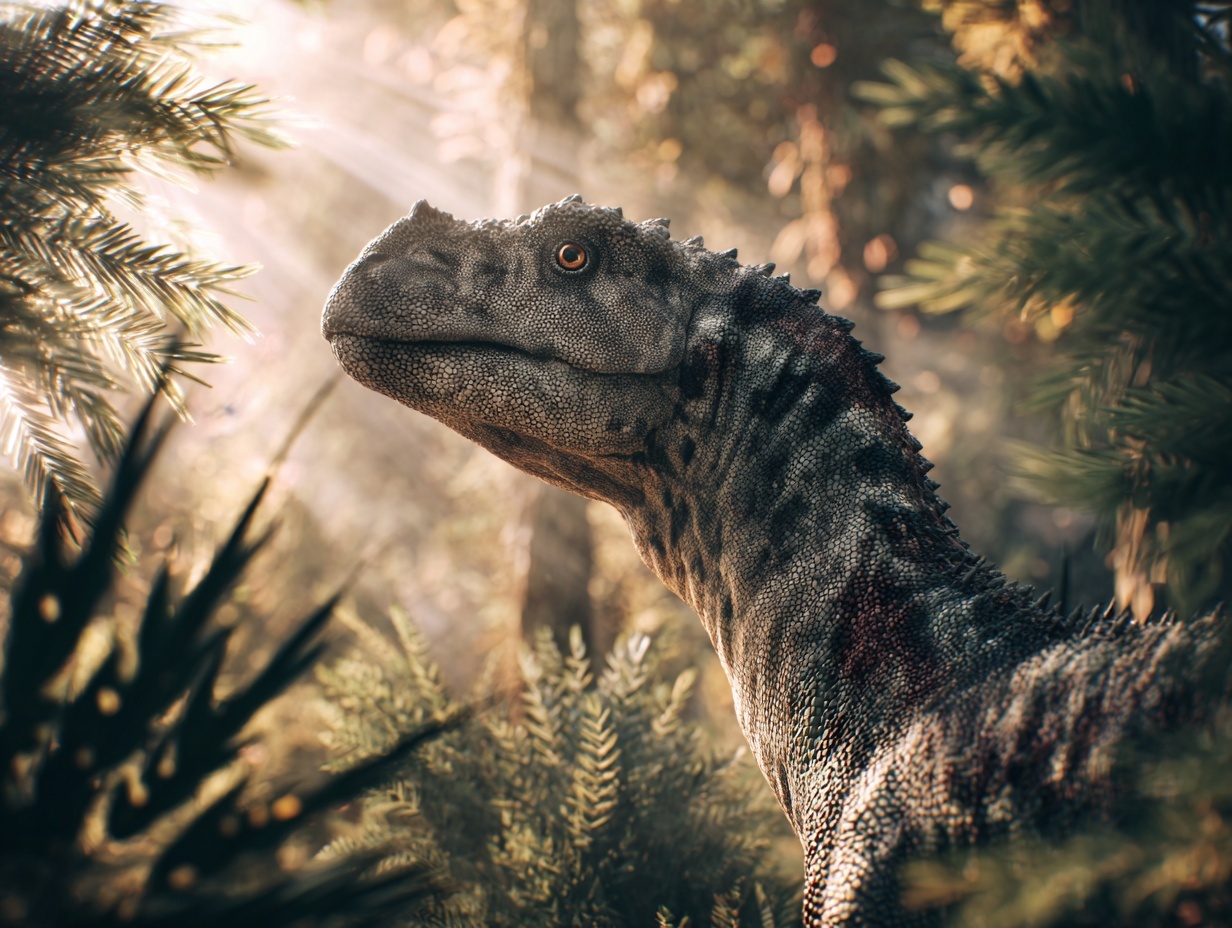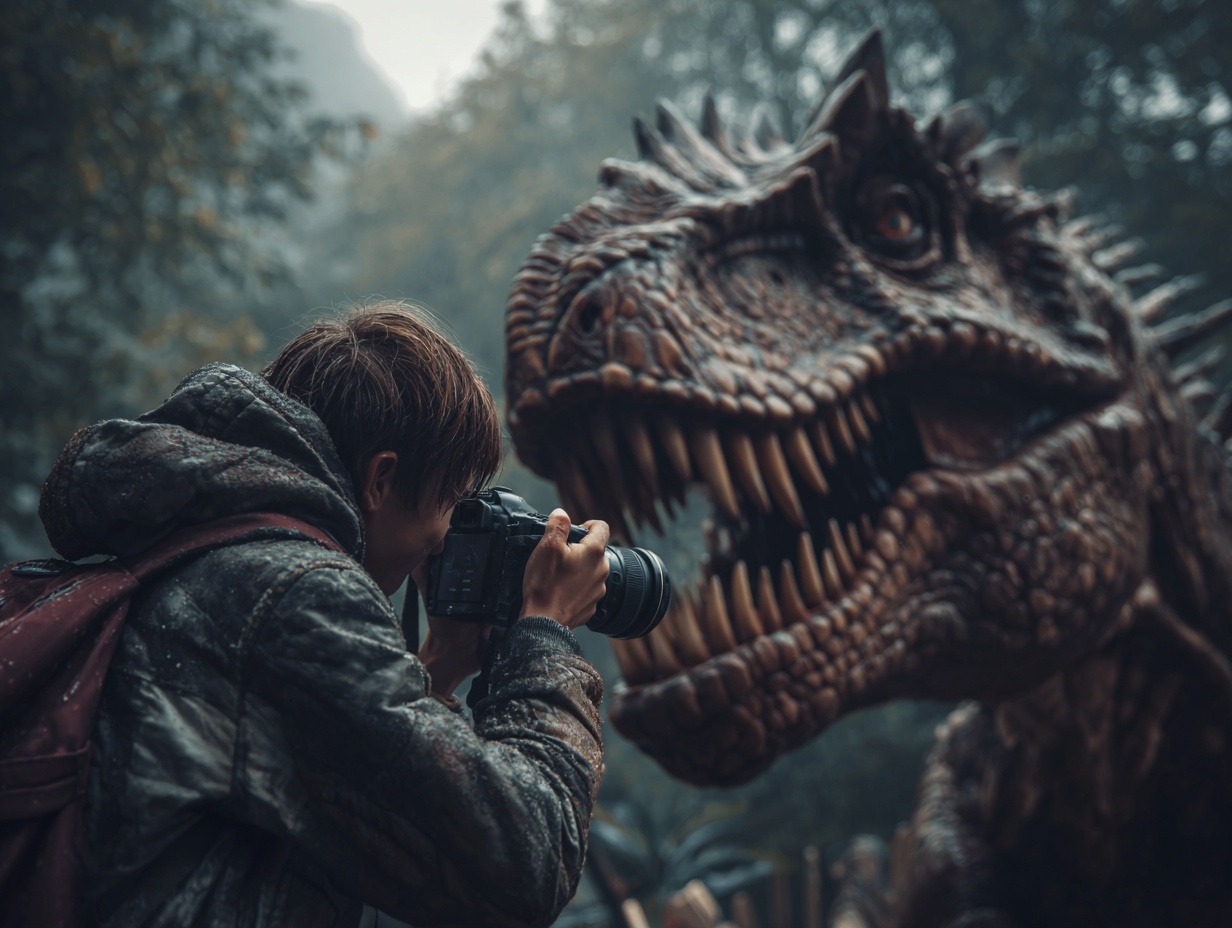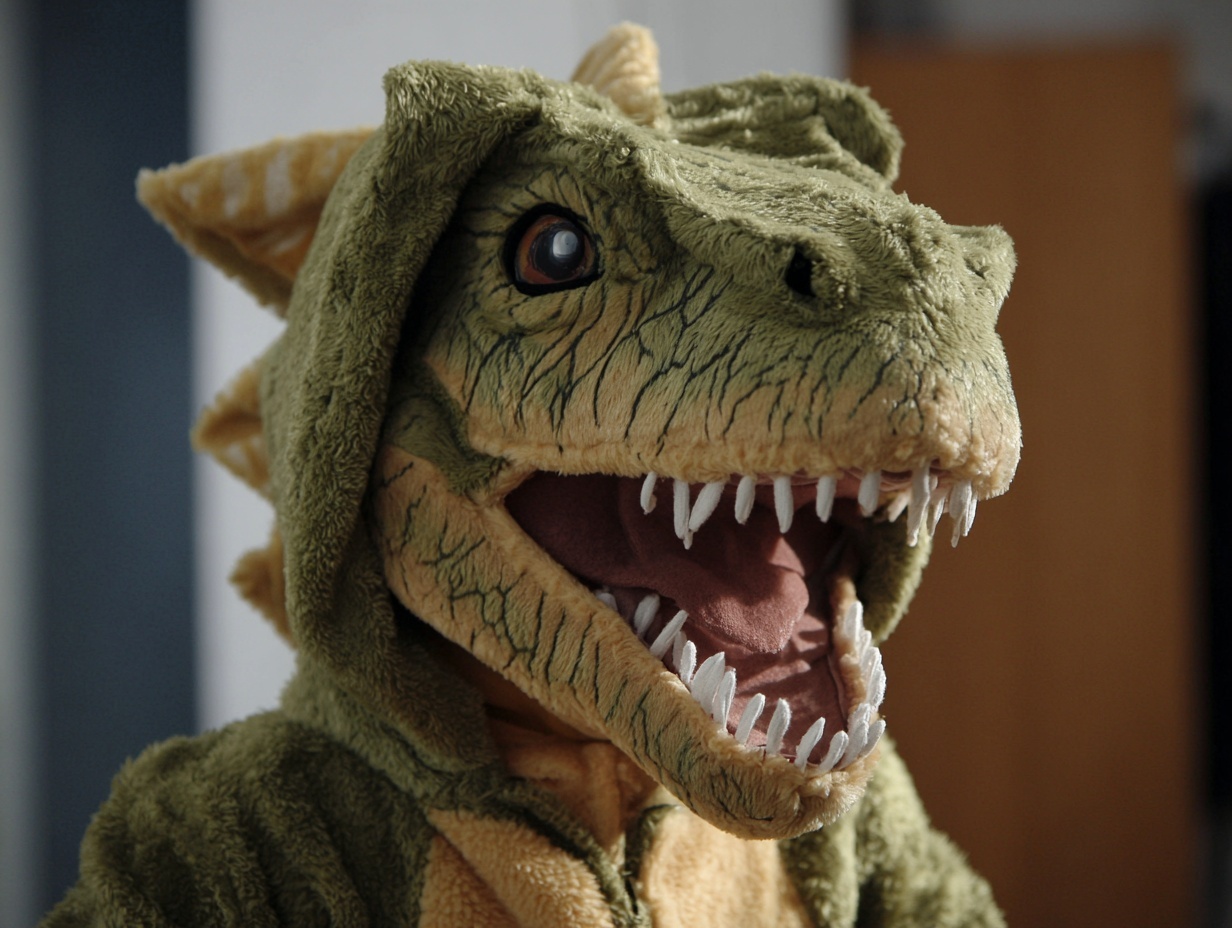
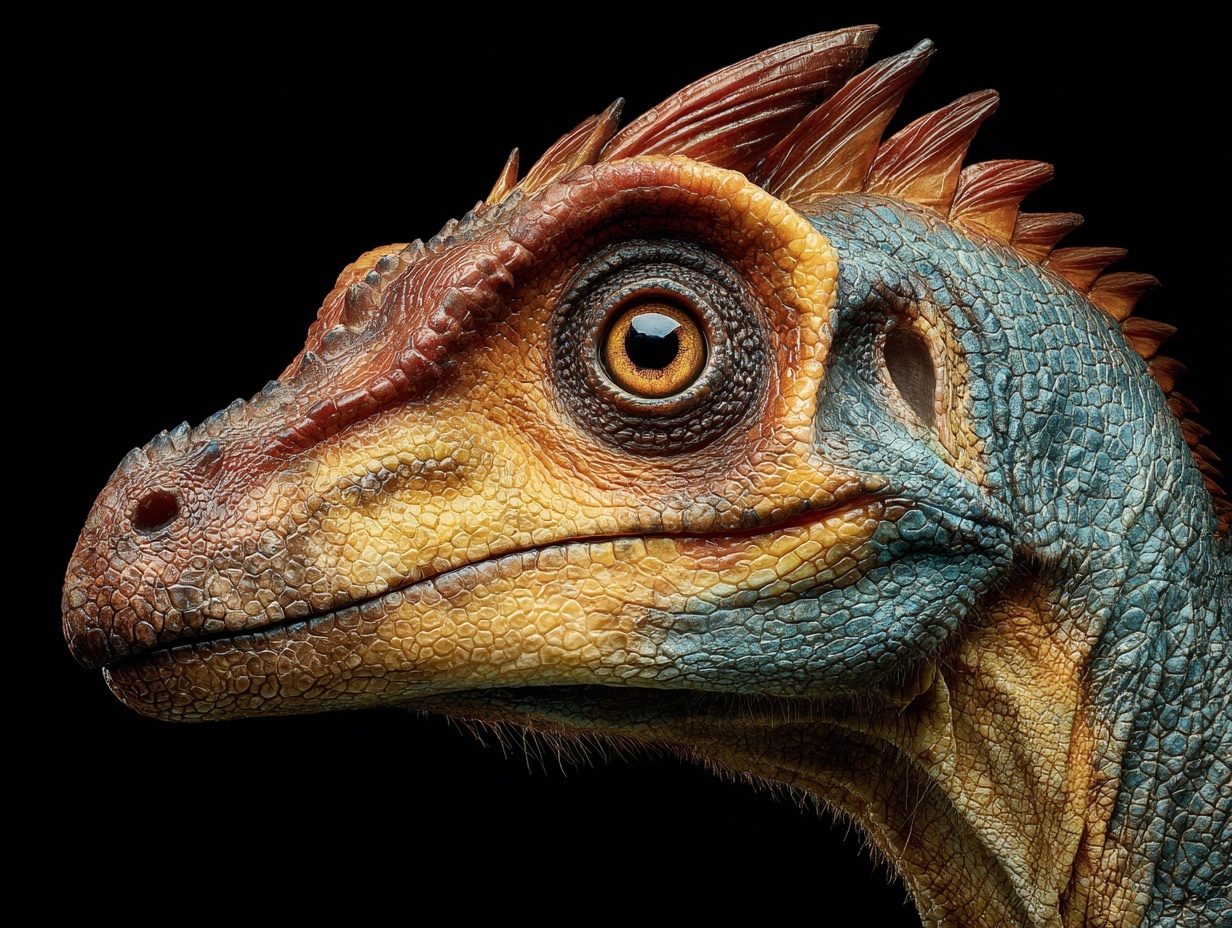
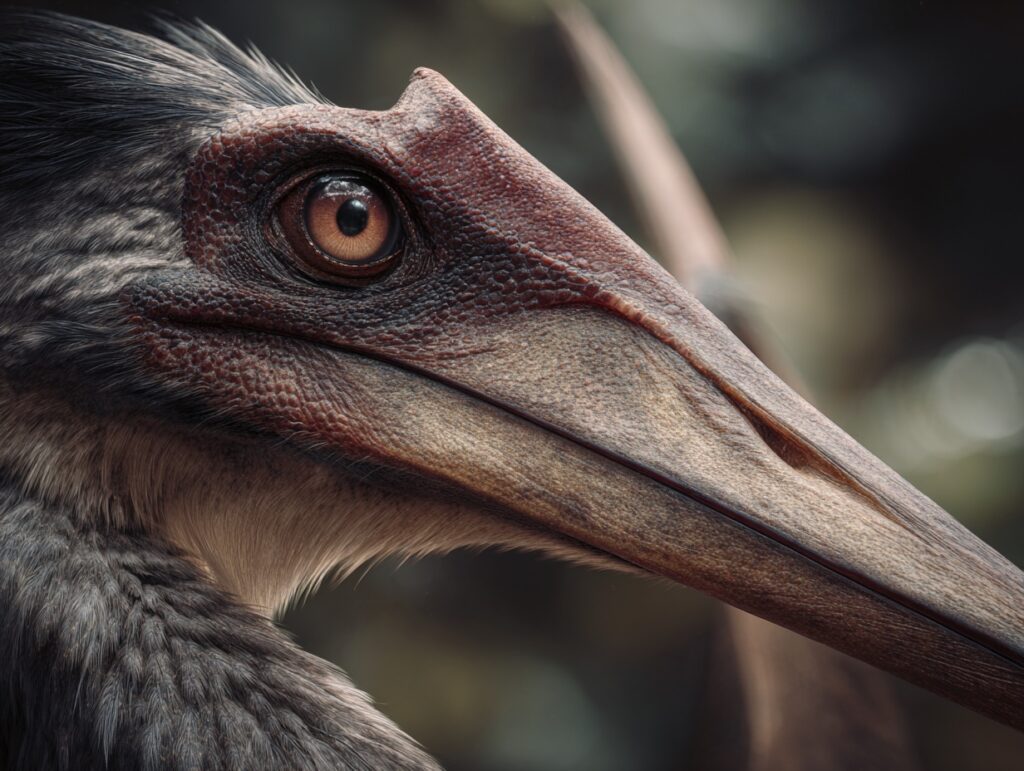
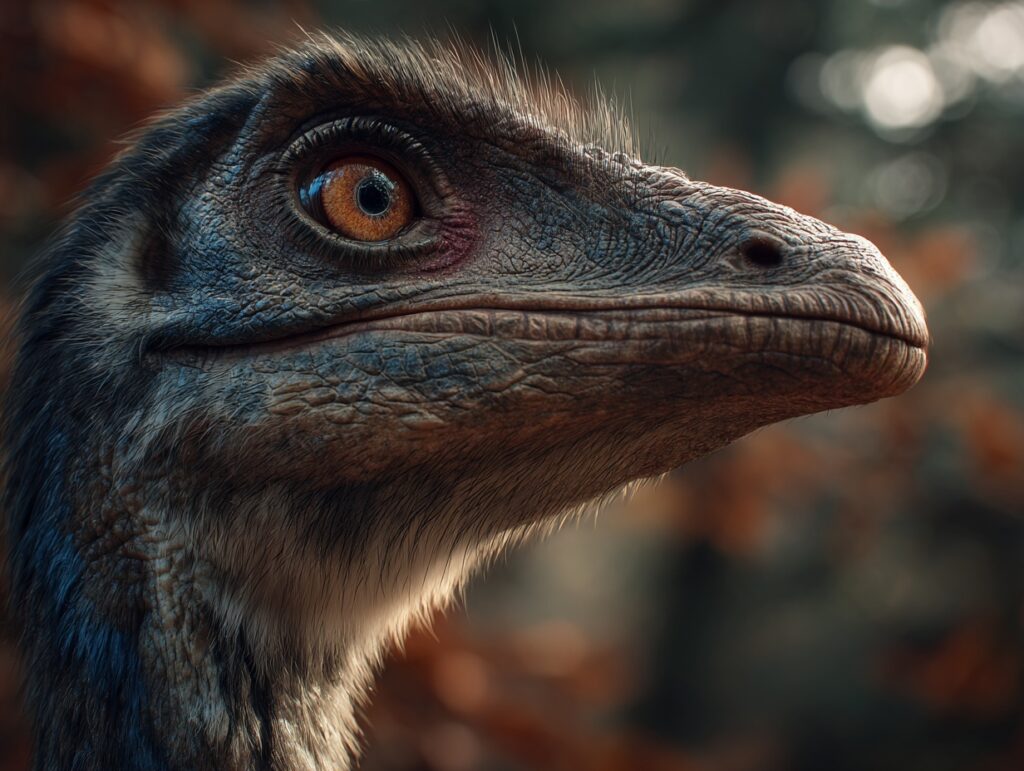
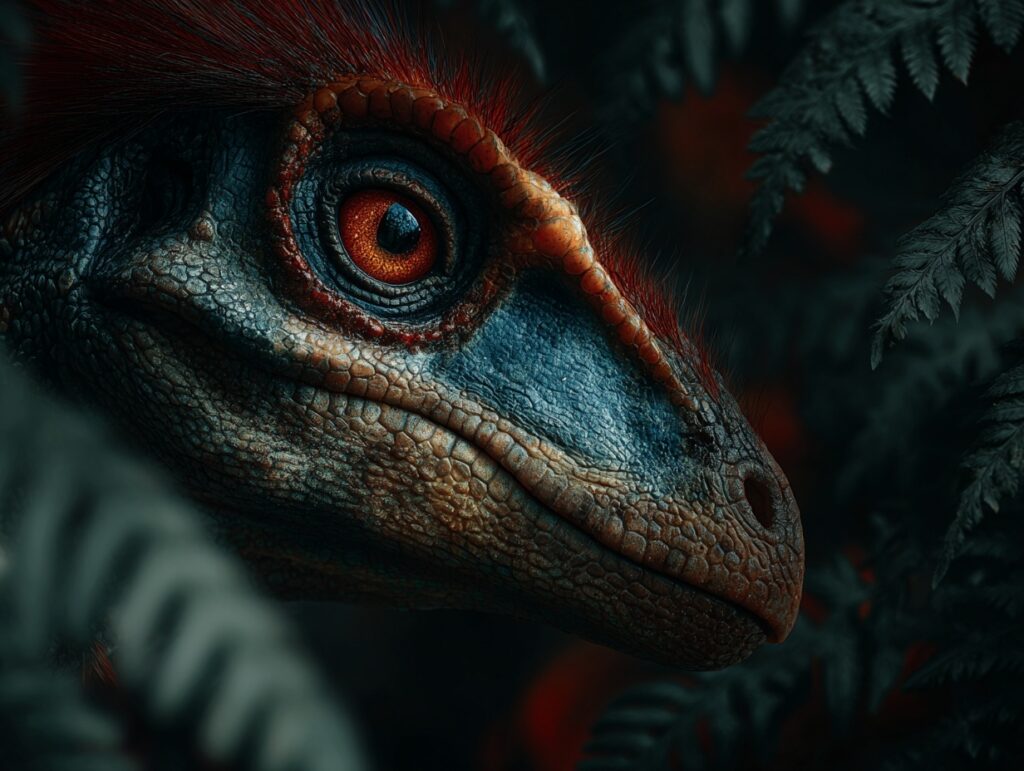
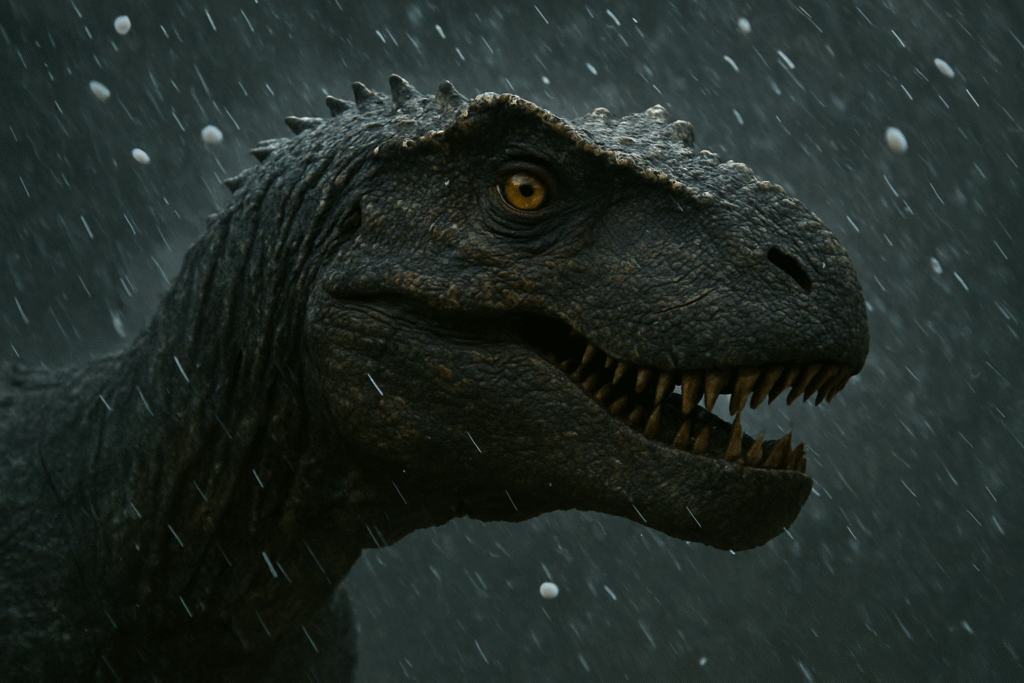
I have a bunch of leftover pictures I’m not sure where to post so I’ll share them here – these are when I got a little too close for comfort but they turned out so great I wanted to feature them. Can you tell which dinosaur they belong to? These 12 portraits are imaginative illustrations, with flying and marine reptiles in the mix. The answer key is below the gallery, so take a proper guess first.
How to play: scroll the gallery, name each face out loud, then check yourself against the key. Some of these are not technically dinosaurs, which is half the fun.
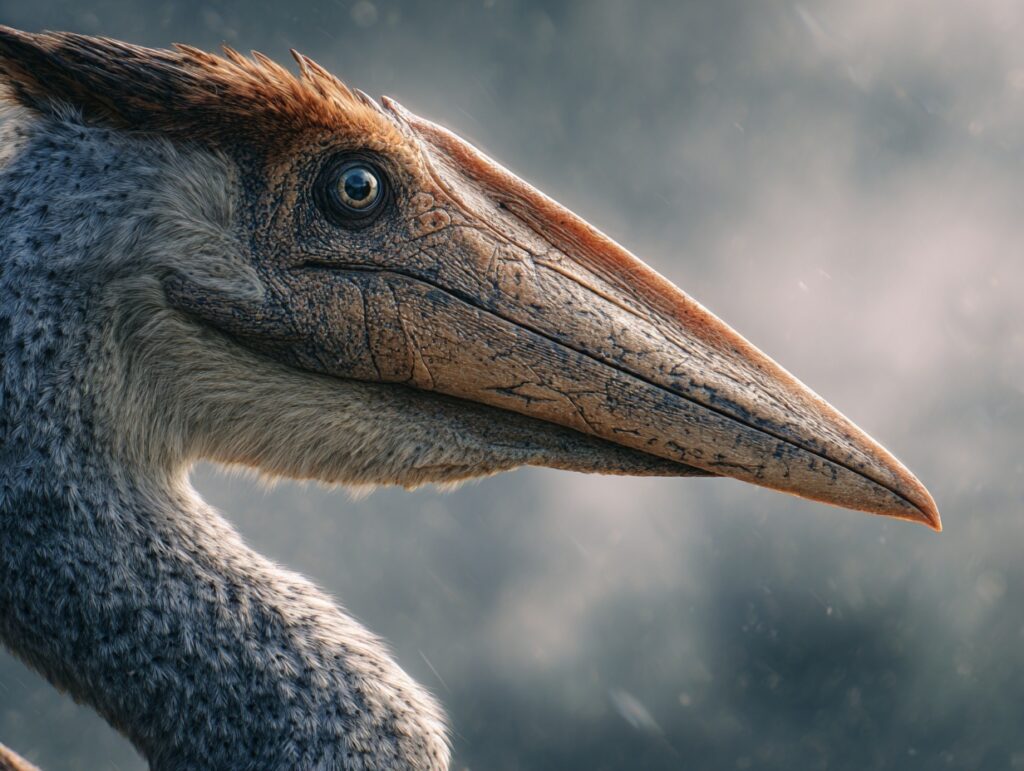
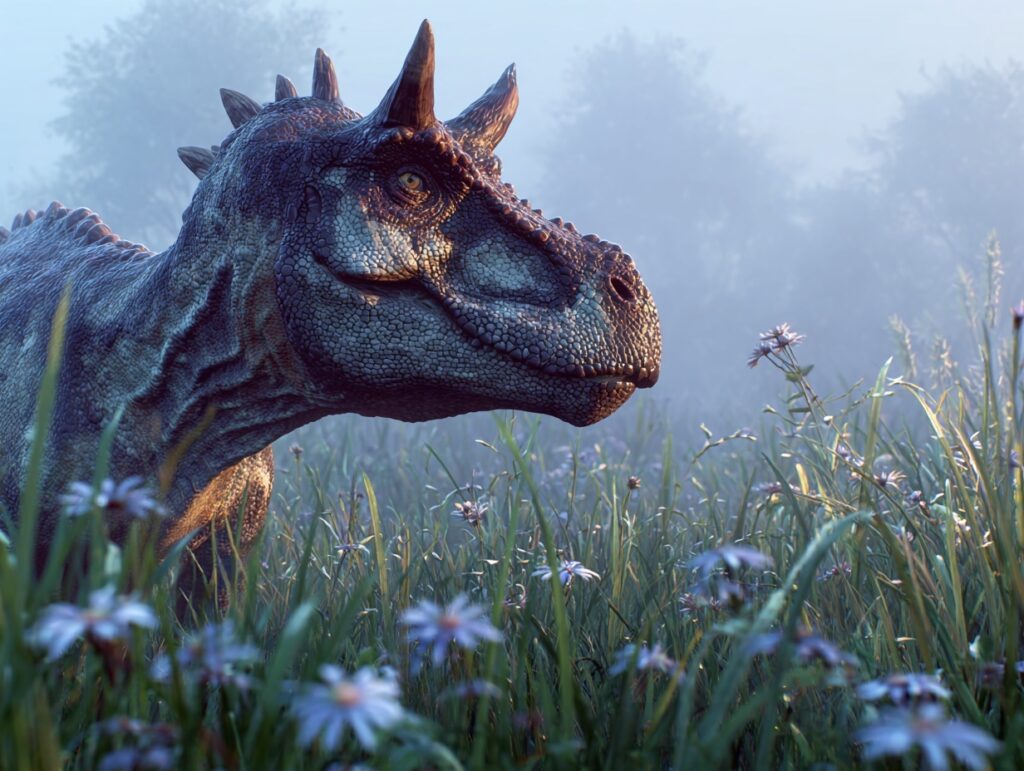
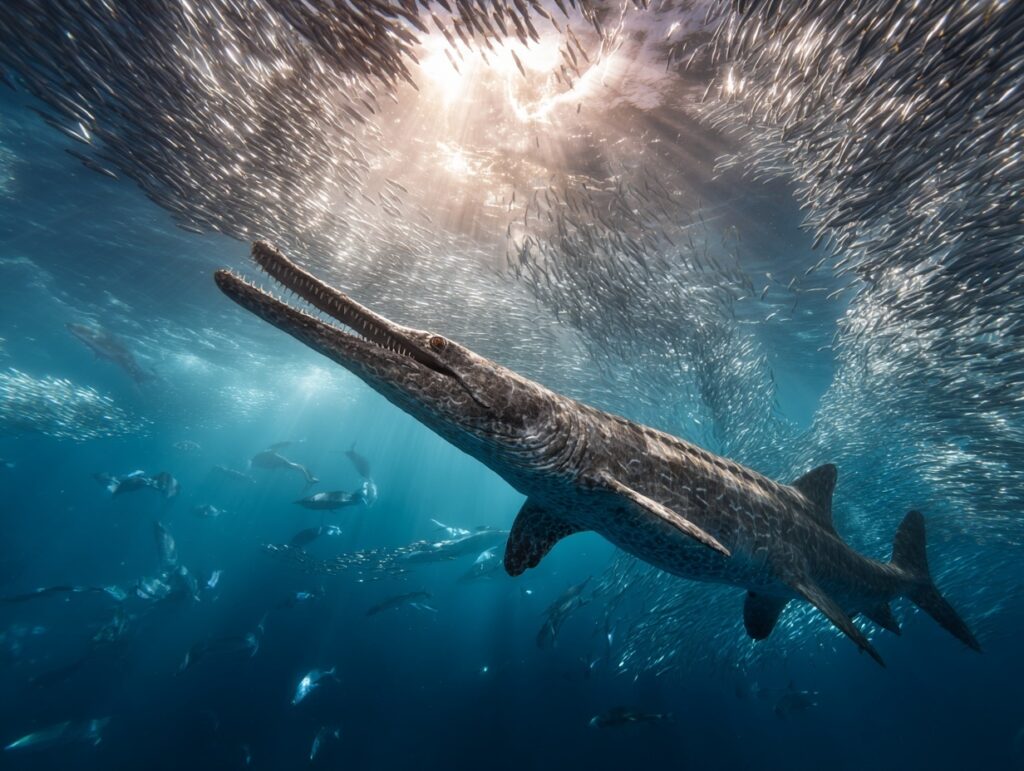
So… which dinosaurs were those?
Alright, answer key. No peeking before you’ve had a proper guess. These are imaginative illustrations; the names below follow the gallery’s image labels, not fossil identification. Artistic details may not be scientifically accurate. In the order they show up above:
- Pteranodon — long crest, no teeth, built to ride thermals like a glider. Not technically a dinosaur, but the classic flying reptile everyone pictures.
- Carnotaurus — the little bull-horned meat-eater with tiny arms that make a T. rex look ripped.
- Mosasaurus — the sea monster from the end of the Cretaceous. Also not a dinosaur, but the ocean’s top predator for a few million very bad millennia.
- Pterosaur — another flyer. Pterosaurs are a whole group; this one’s got that classic leathery-winged look.
- Therizinosaurus — the one with comically huge scythe-claws. Looks terrifying. Was mostly just eating leaves.
- Iguanodon — big herbivore with thumb spikes. Its name means “iguana tooth,” inspired by its fossil teeth. Natural History Museum.
- Tyrannosaurus rex — of course. The reason we have a dinosaur site at all, honestly.
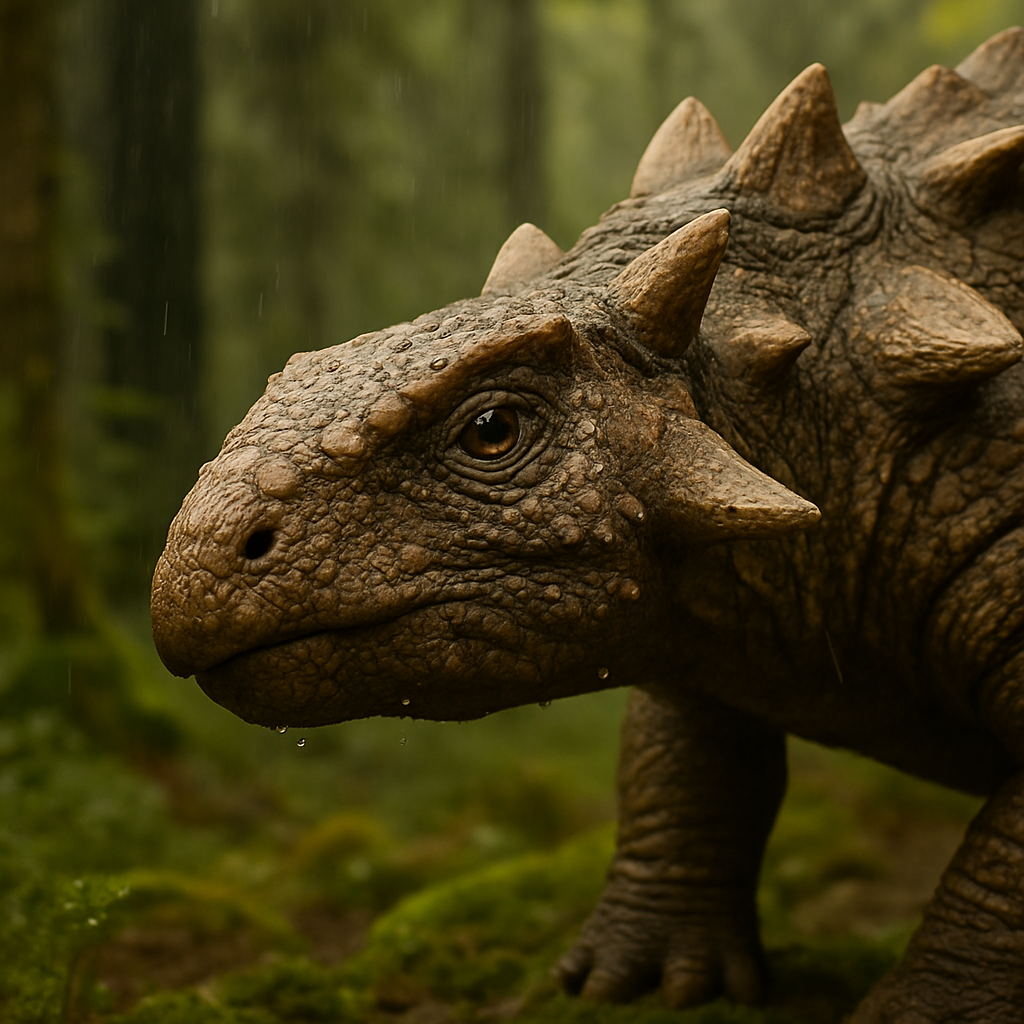
- Ankylosaurus — the armored tank with a bone club for a tail. If dinosaurs had a defensive line, he was it.
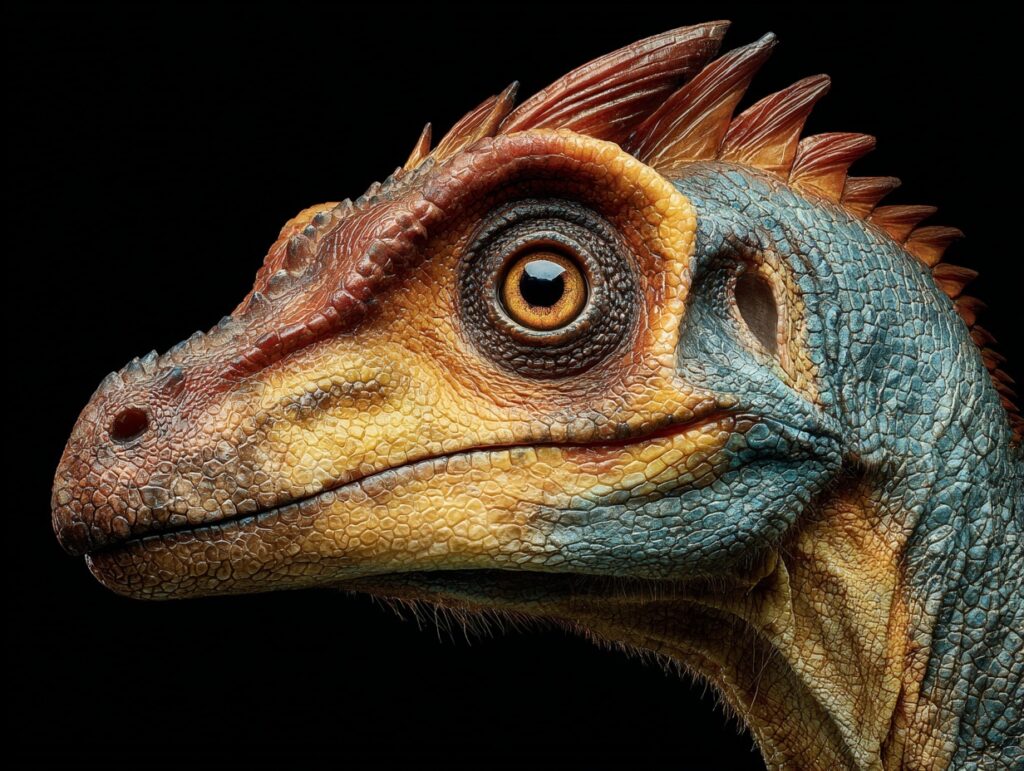
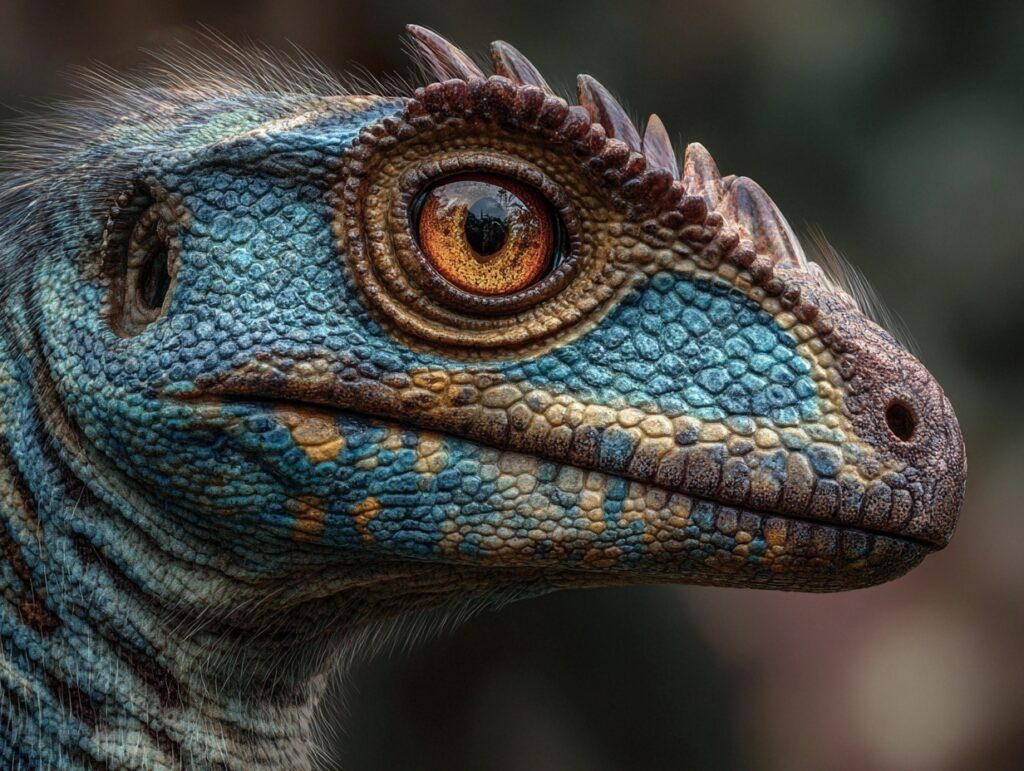
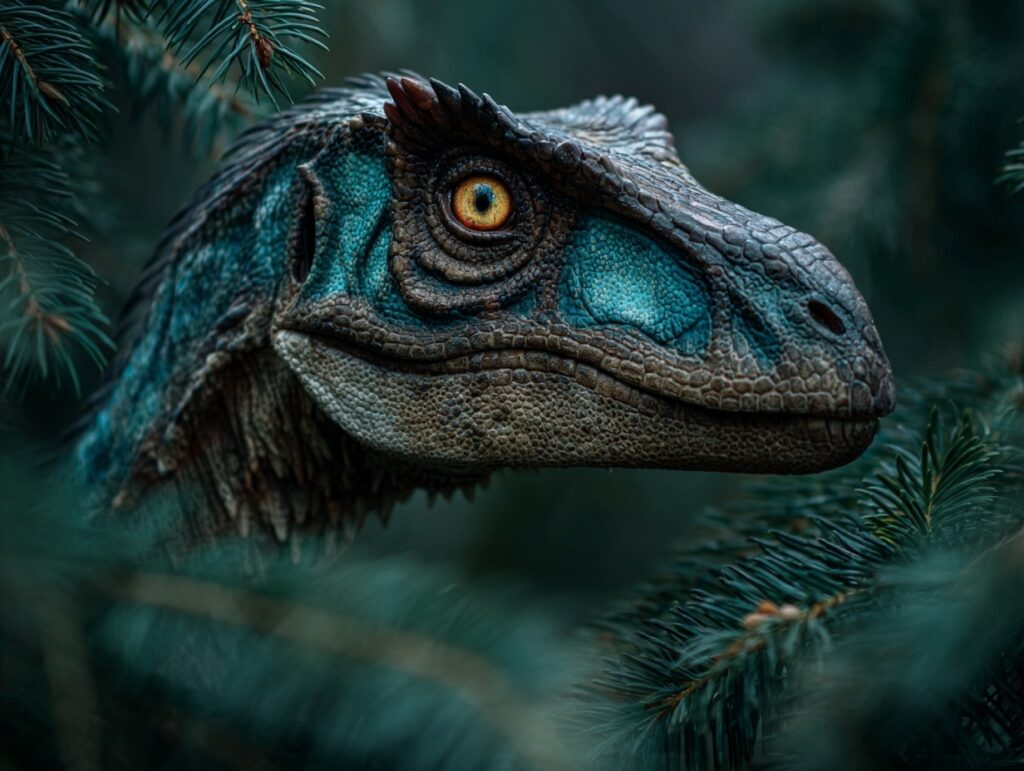
- Dilophosaurus — the twin-crested predator Jurassic Park shrunk and gave a frill and venom spit. There is no fossil evidence for the movie’s venom or frill. The real animal was larger than its film portrayal. See the Natural History Museum.
- Dilophosaurus — yes, another one. Different angle. Those double crests are very photogenic.
- Dilophosaurus — I got a little carried away on the Dilo shoot.
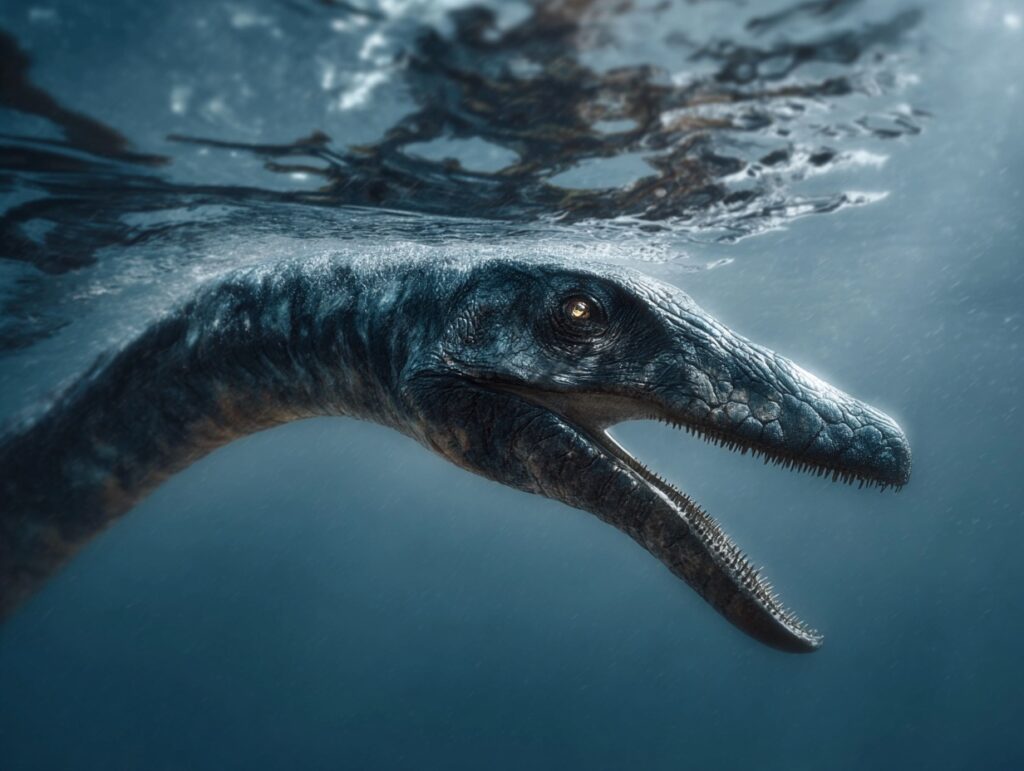
- Plesiosaurus — long-necked marine reptile. If the Loch Ness Monster has a cousin, this is the family portrait.
Why make a gallery like this?
Honestly? Because most dinosaur pictures online are either stiff museum diagrams or Jurassic Park screengrabs. I wanted portraits. Just the animal, looking like itself, in a frame you could hang on a classroom wall. No labels, no action poses, no screaming scientist in the corner. Just the dinosaur.
If you want more of these, the names in the answer key link to their field guides, and for young readers there are dinosaur books for kids. The T. rex guide is where most people start. The Therizinosaurus page is where most people get weird. Both are good.
Spot a dinosaur I missed? I’m always taking requests. Leave a comment with who you want portrayed next and I’ll add them to the shoot list.
Related Dinosaur Guides
- Did Dragons Exist? (Short Answer: No. But Here’s Where the Stories Came From—and Why China’s “Dragon Bones” Matter)
- Tyrannosaurus Rex Facts and Pictures for Kids and Dino Nerds
- Dinosaur Names and Pictures: A Big Starter Guide for Curious Kids and Dino Nerds
- Types of Dinosaurs (With the Famous Ones You Actually Search For)
- Types of Dinosaurs (Explained Like You’re on a Field Trip with Max, Jake & Sam)