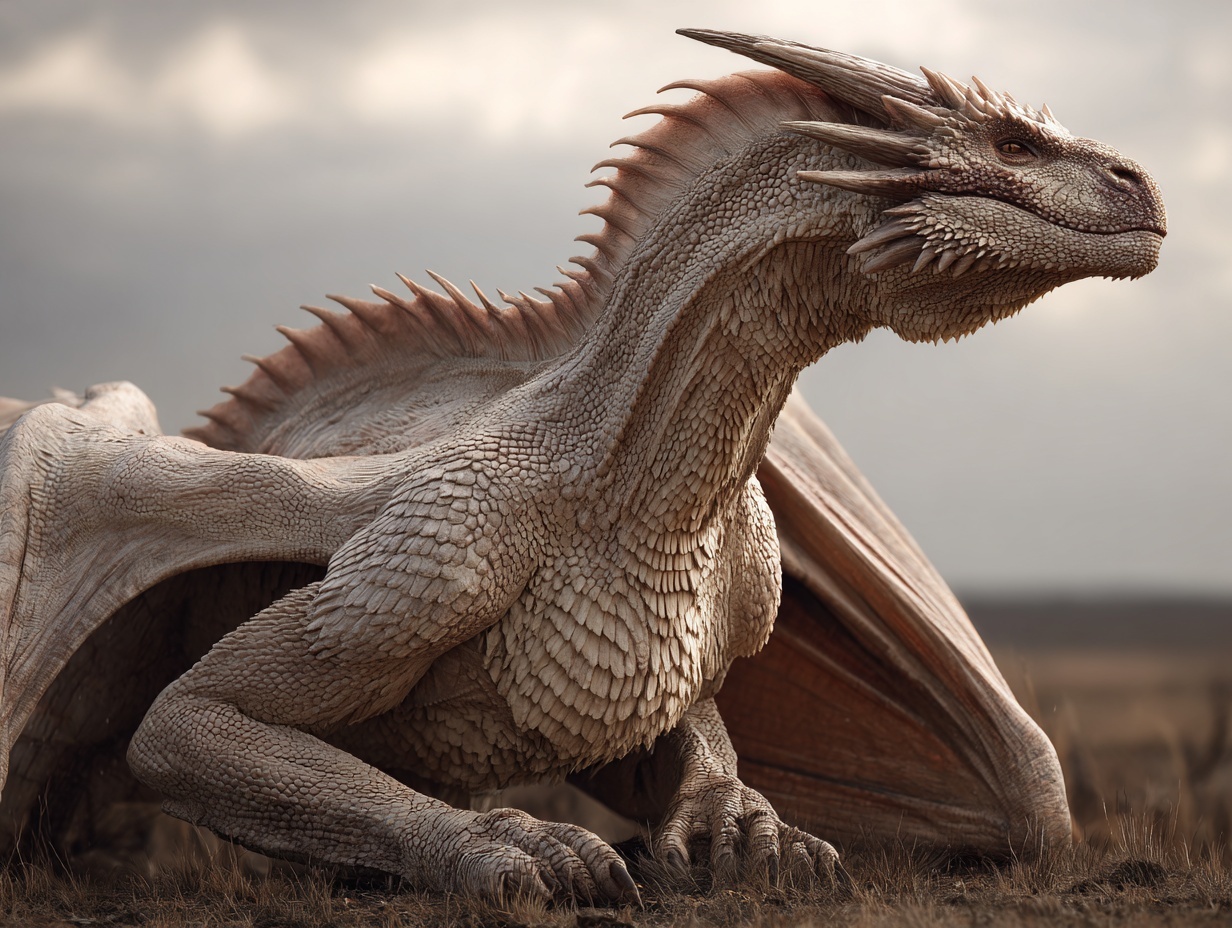
Short version: the dinosaurs in Jurassic Park look amazing, but several of the most famous ones are wrong. Velociraptors were turkey-sized and feathered, and Dilophosaurus got a frill and venom that the fossils do not support. Here is the fun fact-check, right and wrong, with the real dinosaurs behind the movie stars.
*(Or, “Why Velociraptors Didn’t Look Like That”)
Jake and I were rewatching Jurassic Park for the hundredth time—because obviously, it’s a classic. Sam wandered in during the T-Rex breakout scene and sat down like she wasn’t interested. (Spoiler: she totally was.)
“I know this movie is awesome,” she said, pointing at the screen as the raptors started hunting. “But how accurate is it? Like, were dinosaurs actually like that?”
I grinned. “Oh, you’re about to get a dino-accuracy lesson.”
Jake groaned. “Max, please don’t ruin Jurassic Park for me.”
“Relax,” I said. “It’s still cool. But Hollywood definitely took some creative liberties.”
Jurassic Park Dinosaurs: Right or Wrong?
| Dinosaur | What the movie shows | Right or wrong? |
|---|---|---|
| Tyrannosaurus Rex | Huge, powerful, great sense of smell | Right, except the “sees only movement” idea |
| Velociraptors | Big, scaly pack hunters | Wrong size and skin; cooperative hunting is uncertain |
| Dilophosaurus | Frill and venom spit | Wrong; no fossil evidence for either |
| Gallimimus | Super-fast flock | Probably not as fast as shown |
| Brachiosaurus | Gentle giant feeding in the trees | Right, and we deserved more of it |
What Jurassic Park Got Right
Let’s give credit where it’s due: Steven Spielberg’s team did a ton of research, and they got a lot of things right, especially for a movie made in the early ‘90s.
- Tyrannosaurus Rex
- The Good: T-Rex was a terrifying predator with a great sense of smell. Its size, power, and bone-crushing bite are all pretty accurate.
- The Creative Liberty: The whole “vision based on movement” thing? Total myth. T-Rex could definitely see you, even if you were standing still.
- Velociraptors
- The Good: The movie made raptors memorable predators. Whether Velociraptor hunted cooperatively is uncertain; the Natural History Museum notes there is no current evidence for it.
- The Creative Liberty: They weren’t that big. Actual Velociraptors were the size of a turkey. Spielberg’s raptors were based on Deinonychus, a much larger (and equally scary) relative. For the full story, read the real Velociraptor story and meet Deinonychus, the real inspiration.
- Dilophosaurus
- The Good: Dilophosaurus really did have a crested head and was one of the first big predators of its time.
- The Creative Liberty: The film gave it a frill and venom; there is no fossil evidence for either. See the Natural History Museum. Meet the real Dilophosaurus.
What Jurassic Park Got Wrong
Now for the fun part: the stuff that paleontologists have been yelling about for years.
- Feathers? What Feathers?
- By the time the later movies came out, we already knew many dinosaurs, including Velociraptors, had feathers. But Spielberg stuck with the scaly look because, let’s face it, feathered raptors might not have been as scary. Here is why feathers are a big deal.
- Speedy Gallimimus
- The Gallimimus flock scene is iconic, but scientists now think these dinosaurs weren’t quite as fast as the movie made them seem. The Natural History Museum describes Gallimimus as probably omnivorous; its exact speed and whether it could escape a particular predator remain uncertain.
- T-Rex Chase Scene
- Remember when the T-Rex outran a Jeep? Yeah, not happening. T-Rex was powerful but not built for speed—more of an ambush predator than a sprinter.
Dinosaurs That Didn’t Get Enough Screen Time
- Brachiosaurus
- The gentle giant in the tree-feeding scene was spot-on, but we only got a glimpse of how incredible these long-necked dinosaurs were.
- Stegosaurus
- It didn’t appear until The Lost World, but it was one of the coolest armored dinosaurs of all time.
- Ankylosaurus
- This tank-like dino finally showed up in Jurassic World, and its tail-club attack stole the show.
Want the full story on the movie’s made-up star? Read the Indominus Rex truth.
Jake’s Hot Take
“So basically,” Jake said after my very thorough explanation, “Hollywood made dinosaurs scarier than they actually were?”
“Not scarier,” I corrected. “Just different. And honestly, I don’t mind. It made people care about dinosaurs again.”
“Fair point,” Jake said, grabbing another slice of pizza. “But I still think the frill-spitting thing was cool.”
Sam’s Verdict
“So,” Sam said, leaning back on the couch, “if I went back in time with you and saw a real raptor, I wouldn’t have to worry about it being as big as the ones in Jurassic Park?”
I grinned. “Nope. But don’t get too comfortable—it’d still be smart enough to hunt you.”
Field Notes From Max
- Biggest Lesson: Movies are great for entertainment, but the real story of dinosaurs is even cooler.
- Favorite Moment: Watching Sam get sucked into the movie, even though she pretended not to care.
- What’s Next: Maybe a “Top 10 Coolest Dino Movie Scenes” list. Jake would love that.
So, were the dinosaurs in Jurassic Park accurate? Not exactly. But the movie still did something amazing: it made us all fall in love with dinosaurs, flaws and all. 🦖🎥✨
Related Dino Facts
- Tyrannosaurus Rex Facts and Pictures for Kids and Dino Nerds
- Dinosaur Names and Pictures: A Big Starter Guide for Curious Kids and Dino Nerds
- Types of Dinosaurs (With the Famous Ones You Actually Search For)
- Maiasaura – The Dinosaur Known for Its Excellent Parenting Skills
- Homeward Pause – Recapping the Chaos and Plotting What’s Next