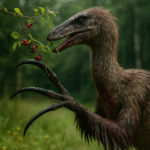
Short version: the real Velociraptor was feathered and about 6 to 7 feet long, weighing around 30 pounds, roughly the size of a turkey, so much smaller than the movie version. Its exact intelligence and hunting tactics are uncertain, and Max’s encounter below is an imagined adventure.
Velociraptors have been Hollywood’s go-to dinosaurs for years, thanks to Jurassic Park. But here’s the thing: the real Velociraptor is a little different from the movie version. It’s smaller, feathered, and somehow even scarier because of how smart it is. I learned that firsthand when I tried to outsmart one—and almost didn’t make it.
Quick Facts About Velociraptor
Here’s what makes these feathered predators so fascinating:
- Name Meaning: Velociraptor means “swift thief.”
- Time Period: Lived around 75–71 million years ago during the Late Cretaceous.
- Size: About 6–7 feet long and weighing around 30 pounds, roughly the size of a turkey.
- Diet: Carnivore, hunting small dinosaurs, reptiles, and even scavenging.
- Habitat: Arid regions in what is now Mongolia and Central Asia.
Max’s Encounter: The Turkey That Hunts You
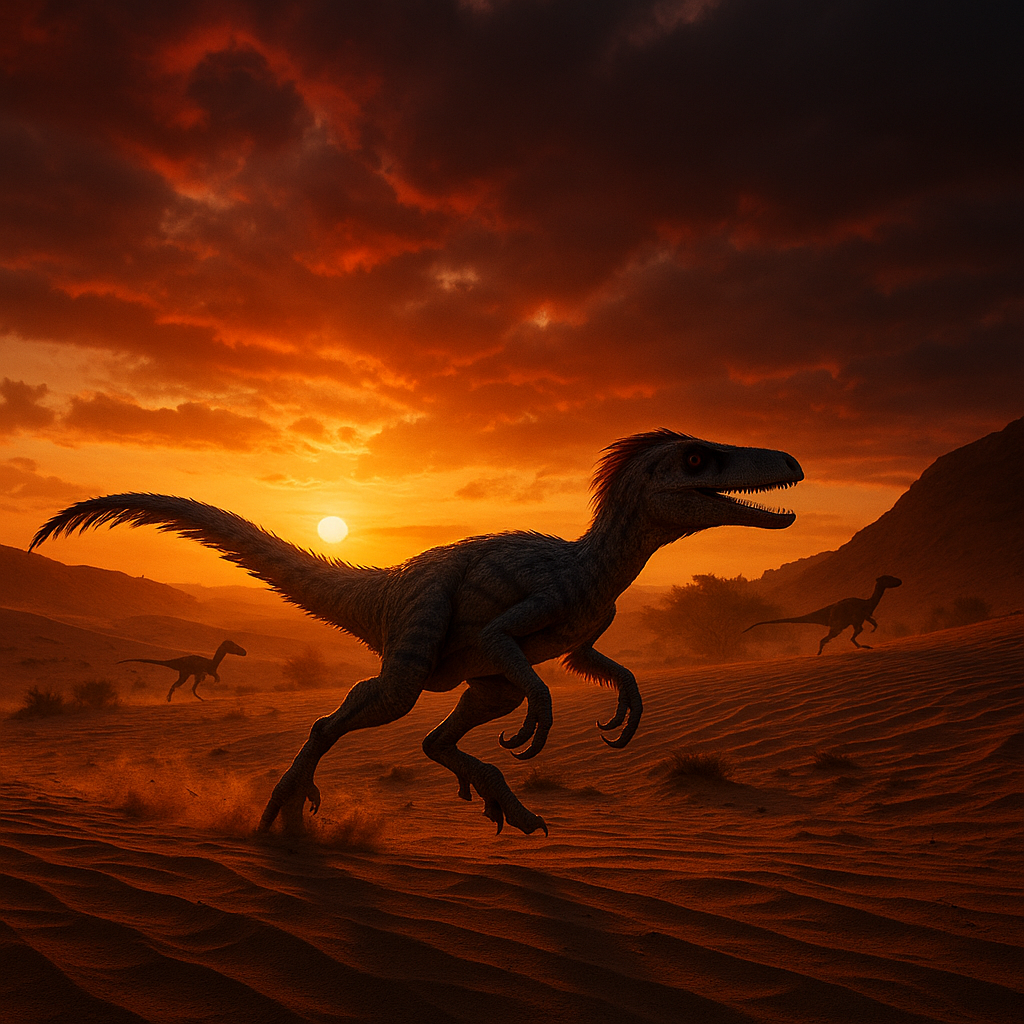
I found the Velociraptor near a rocky outcrop, its feathers ruffling in the wind as it sniffed the ground. It was smaller than I expected—much smaller than the movie versions—but its sharp eyes and quick movements made it clear this wasn’t a dinosaur to underestimate.
I crouched behind a boulder, trying to stay out of sight. It was hunting something, its curved claw tapping softly against the ground as it crept forward. I snapped a picture, the sound of the shutter barely audible, but it was enough. The Velociraptor froze, its head whipping around toward me.
For a moment, we locked eyes. Then it let out a low hiss, and I realized it wasn’t alone. Another Velociraptor appeared from the rocks, circling toward my hiding spot. I scrambled back, heart pounding, as the two predators closed in. Luckily, a loud crash in the distance distracted them—maybe a bigger predator. They turned and sprinted off, their feathers fluttering as they disappeared into the rocks.
What Hollywood Got Right (and Wrong)
- Feathers vs. Scales
Velociraptors weren’t scaly like in the movies—they were covered in feathers, giving them a bird-like appearance. - Size Matters
Movie Velociraptors are the size of humans, but real ones were much smaller, closer to the size of a large bird. - Intelligence
Their exact intelligence and hunting tactics are uncertain. There is no current evidence of cooperative Velociraptor hunting, according to the Natural History Museum. - Speed and Agility
This part is accurate. Velociraptors were lightly built, but their precise running speed is uncertain. Their lightweight bodies and sharp claws made them deadly hunters.
Movie Raptor vs Real Velociraptor
| In the movies | Real Velociraptor | |
|---|---|---|
| Covering | Scaly | Feathered |
| Size | The size of humans | About 6 to 7 feet long, around 30 pounds, much smaller |
| Speed and agility | Fast and agile | Lightly built with sharp claws; precise running speed is uncertain |
For raptors that did get big, meet Utahraptor, the real-life raptor bigger than Velociraptors, and Deinonychus, the real inspiration for the movie raptors. To check more of the films against the fossils, see how accurate the Jurassic Park dinosaurs were, or read Max’s imagined Velociraptor field guide to pack hunters.
Did You Know?
- Velociraptors had a sickle-shaped claw on each foot. Researchers suggest it helped grip or pin prey, rather than slash it; see the Natural History Museum.
- Fossils have been found showing a Velociraptor locked in combat with a Protoceratops, suggesting they were aggressive hunters.
- Despite their small size, Velociraptors had strong legs and jaws, making them formidable predators in their environment.
Real Velociraptor Pictures
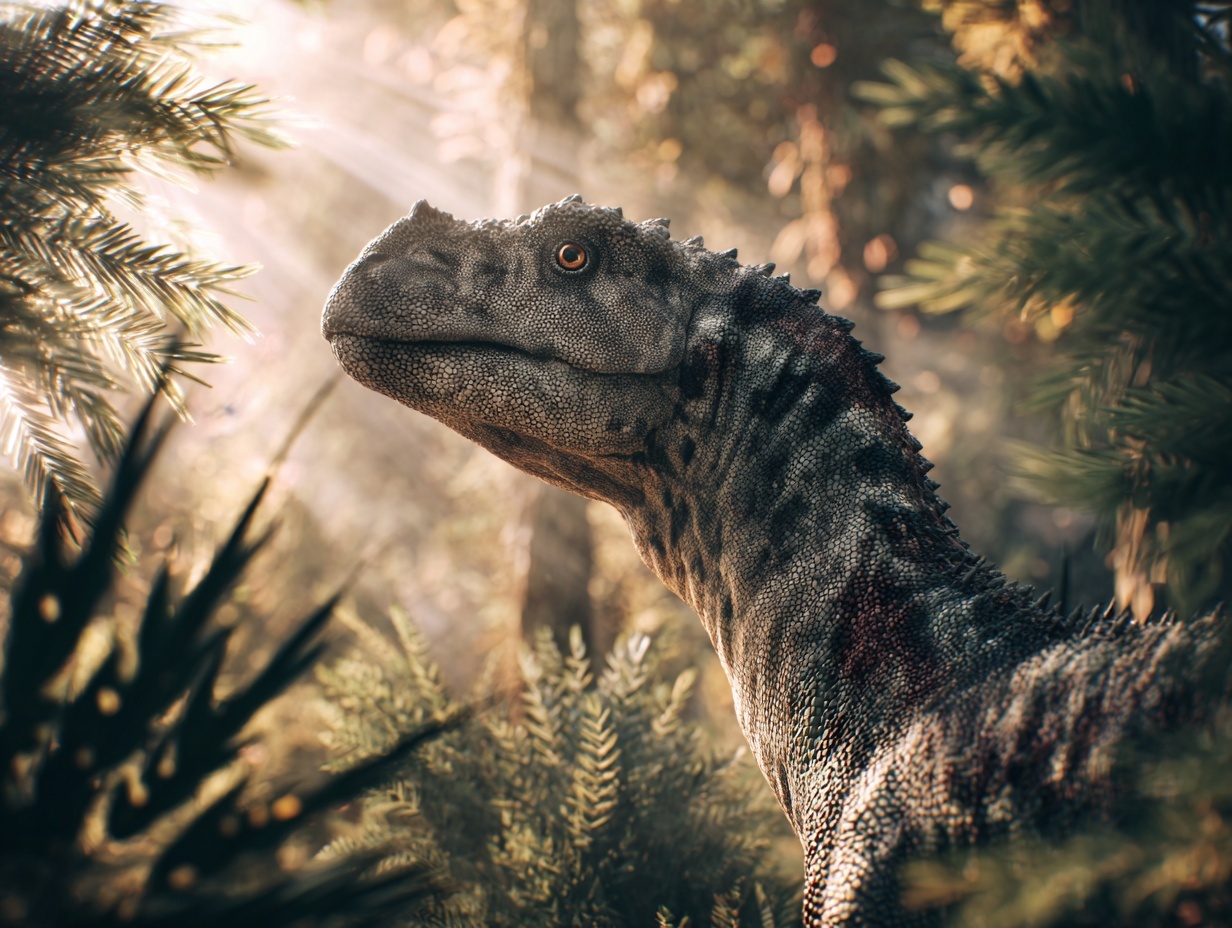
The photo I managed to capture shows the Velociraptor mid-step, its feathers glowing in the sunlight. Sam called it “the most terrifying turkey ever,” which, honestly, feels accurate.
No illustration is available in this section yet.
Field Notes From Max
- Survival Tip: If you see one Velociraptor, there’s probably another nearby. Stay alert and move carefully.
- What I Learned: In this imagined encounter, speed and teamwork make the Velociraptors formidable. Their real hunting tactics remain uncertain.
- Favorite Moment: Watching their feathers ripple as they sprinted off—beautiful and terrifying all at once.
The Bigger Picture
Velociraptors might not be the giant predators Hollywood portrays, but their real-life adaptations are even more fascinating. Seeing them in action made me appreciate the complexity of their behavior and the evolutionary link between dinosaurs and birds.
Back home, Velociraptors are often overshadowed by T-Rex and other giants, but my photo might help give them the recognition they deserve. Meanwhile, Sam thinks I should write a “Top 10 Most Misunderstood Dinosaurs” article. “Velociraptor can be #1, right?” she said. Definitely.
More Dinosaur Field Guides
- Tyrannosaurus Rex Facts and Pictures for Kids and Dino Nerds
- Dinosaur Names and Pictures: A Big Starter Guide for Curious Kids and Dino Nerds
- Maiasaura – The Dinosaur Known for Its Excellent Parenting Skills
- Types of Dinosaurs (With the Famous Ones You Actually Search For)
- Types of Dinosaurs (Explained Like You’re on a Field Trip with Max, Jake & Sam)