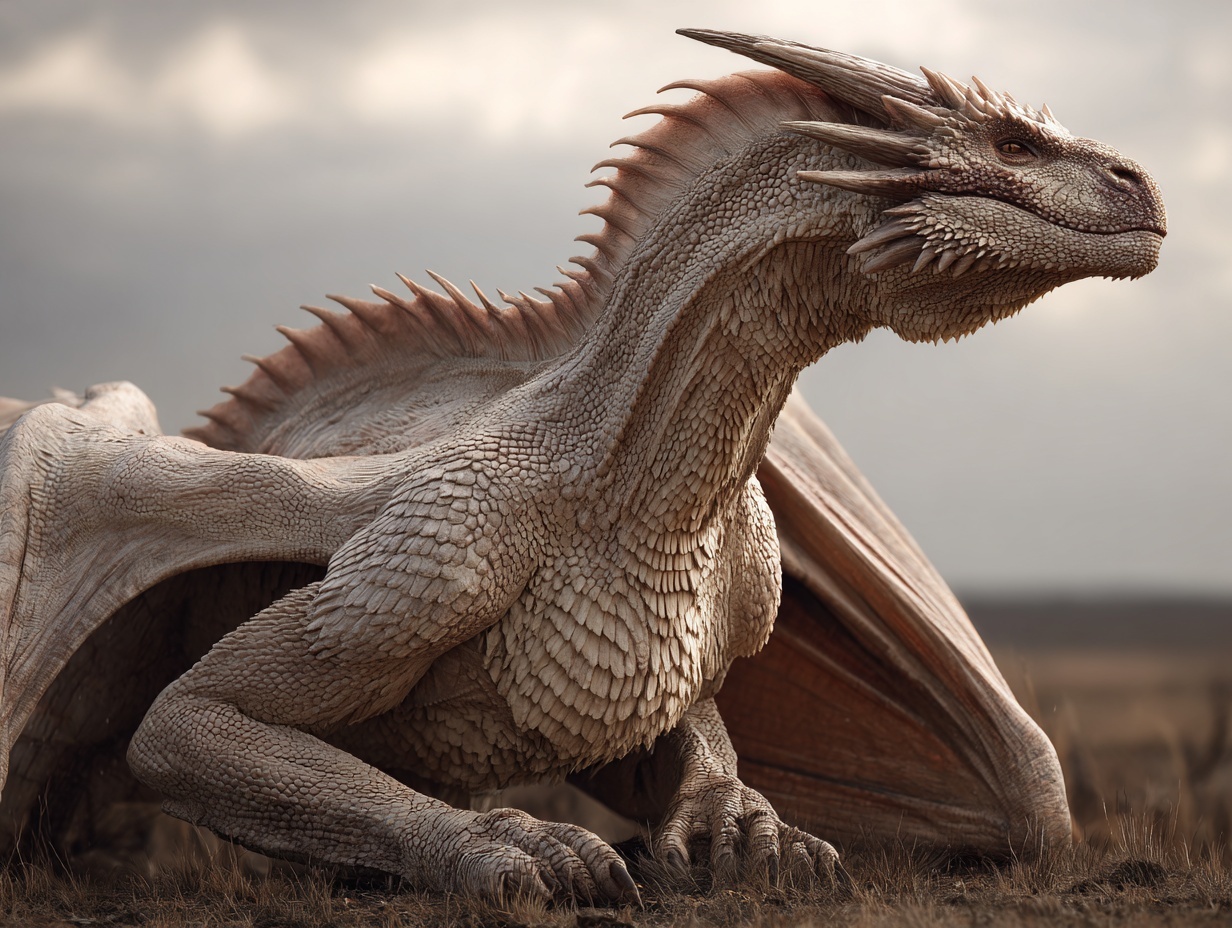
(Or, “Are We Underestimating the Dino Brain?”)
Short version: dinosaurs were smart for reptiles, and a few species were probably as clever as modern birds. They were not geniuses, and no fossil proves they solved puzzles or planned attacks.
“Max, be honest,” Sam said, flipping through one of my dino books. “Were dinosaurs actually smart, or were they just big, scaly potatoes with teeth?”
“Potatoes with teeth?” I repeated, horrified.
Jake chimed in, as usual. “I mean, their brains were, like, the size of a walnut, right? Except for maybe Velociraptors—they were like evil chickens.”
“They weren’t geniuses,” I said, pulling out my notes. “But dinosaurs were definitely smarter than most people think. And some of them were way smarter than Jake’s math grades.”
“Hey!” Jake protested.
The Dino Brain Debate
For years, dinosaurs were thought to be slow, dim-witted reptiles. Scientists believed their small brains relative to their body size meant they weren’t capable of complex behavior. But new research is flipping that idea on its head.
How Smart Were Dinosaurs?
Not all dinosaurs were created equal in the brains department, but some species were surprisingly intelligent. Here is the quick view at a glance, with what the evidence actually shows:
| Dinosaur | What the evidence shows |
|---|---|
| Velociraptor | Fast, well-armed predator; cooperative hunting not established |
| Troodon | Often called the brainiest dinosaur; possibly as smart as today’s parrots |
| Tyrannosaurus Rex | Strong sense of smell, brain specialized for hunting and survival |
| Herbivores (Triceratops, Iguanodon) | Herding and nurturing behavior suggested by fossils |
1. Velociraptor
- Why It’s Smart:
- We cannot measure its intelligence directly from fossils, and there is no current evidence that Velociraptor hunted cooperatively. See the Natural History Museum.
- Their curved claws and speed made them efficient predators.
- Comparison: Its intelligence cannot be reliably ranked against modern birds.
For more on how it hunted, see Velociraptor facts and pack hunting.
2. Troodon
- Why It’s Smart:
- The name Troodon is based on limited remains, so its brain is not securely known. See the Natural History Museum.
- It likely had keen eyesight and was capable of problem-solving.
- Comparison: Often called the “brainiest dinosaur,” it might have been as smart as today’s parrots.
3. Tyrannosaurus Rex
- Why It’s Smart:
- T-Rex had a well-developed sense of smell, but a precise tracking distance is not established here.
- Its brain wasn’t huge, but it was specialized for hunting and survival.
- Comparison: More street-smart than book-smart—a survivalist.
4. Herbivores
- Why They’re Smarter Than We Think:
- Dinosaurs like Triceratops and Iguanodon probably used social behaviors like herding to protect themselves from predators.
- Some even cared for their young, which suggests a level of nurturing behavior.
- Comparison: Not geniuses, but smarter than we give them credit for.
How Do We Know?
Paleontologists study brain cavities in dinosaur fossils to estimate brain size and structure. By comparing these to modern animals, they can make educated guesses about how dinosaurs behaved and how intelligent they might have been.
Signs of Intelligence in Dinosaurs
- Pack Hunting
- Trackways can show animals moving together, but do not establish coordinated attacks.
- Tool Use?
- Fossils can offer clues to behavior, but tool use by Troodon is not established here.
- Complex Social Behavior
- Dinosaurs like Maiasaura cared for their young in nesting colonies, showing a level of cooperation and social structure.
- Communication
- Evidence suggests some dinosaurs used sounds or body language to communicate, much like modern birds.
Why Does It Matter?
Understanding dinosaur intelligence changes how we think about them—not as lumbering, instinct-driven beasts, but as dynamic, adaptive creatures.
“It’s like how people used to think chickens were dumb,” I explained. “But chickens can recognize faces, solve puzzles, and even remember things for months.”
Jake looked horrified. “Does that mean Velociraptors could’ve solved puzzles?”
“Probably,” I said.
Jake’s Hot Take
“So,” Jake said, grabbing a handful of popcorn, “if dinosaurs were that smart, does that mean they could’ve, like, taken over the world if the asteroid hadn’t hit?”
“Maybe not the world,” I said, “but they probably would’ve evolved into even smarter species.”
“Great,” Jake muttered. “Now I’m imagining Velociraptors in lab coats.”
Sam’s Thoughtful Insight
“You know what’s wild?” Sam said, tapping her pen. “If some dinosaurs were as smart as birds, that means they weren’t just surviving—they were thriving. And maybe we’re still underestimating them.”
“Exactly,” I said. “We’ve only scratched the surface of what they were capable of.”
Field Notes From Max
- Biggest Surprise: Fossil names and brain estimates can be more uncertain than they first appear.
- Coolest Discovery: Intelligence isn’t just about brain size—it’s about behavior, too.
- What’s Next: Maybe I’ll track down a Troodon fossil and see if it left behind any clues about its smarts.
Dinosaurs weren’t just prehistoric monsters—they were clever, adaptive creatures that ruled the planet for millions of years. And honestly? They’re still outsmarting us every time we underestimate their legacy.🦖✨
Related Dino Facts
- Tyrannosaurus Rex Facts and Pictures for Kids and Dino Nerds
- Dinosaur Names and Pictures: A Big Starter Guide for Curious Kids and Dino Nerds
- Types of Dinosaurs (With the Famous Ones You Actually Search For)
- Maiasaura – The Dinosaur Known for Its Excellent Parenting Skills
- Homeward Pause – Recapping the Chaos and Plotting What’s Next